

Neuropsychology, assessment and family guidance in Palmones
At Ocnos Psychology Clinic, we help families understand learning difficulties, attention, behaviour, development and cognitive functioning. We work with children, adolescents, families and adults from a clinical, rigorous and approachable perspective, connecting assessment with useful guidance for everyday life and the school context.
Neuropsychology helps us understand how a person learns, pays attention, regulates and adapts
Neuropsychology studies the relationship between brain functioning, behaviour, learning, attention, memory, language and emotional regulation. In clinical practice, this means looking beyond phrases such as “they do not try hard enough”, “they get distracted because they want to” or “they are very bright but do not perform”.
When a child, adolescent or adult has difficulties reading, writing, organising themselves, sustaining attention, regulating behaviour, understanding certain school demands or managing frustration, it may be useful to assess which processes are involved. Sometimes the difficulty is related to dyslexia, ADHD, high abilities, autism, anxiety, emotional difficulties or a combination of several factors.
At Ocnos Psychology Clinic, in Palmones, we work from a clinical and family-centred perspective. We are not interested only in obtaining a score or a label, but in understanding what is happening, what the person needs and how to guide the family, school or patient more effectively.
This page helps you understand
- When it makes sense to request a neuropsychological assessment.
- How it may relate to dyslexia, ADHD, autism and high abilities.
- The difference between assessing, diagnosing, guiding and intervening.
- How we work with families at Ocnos Psychology Clinic.
- Which Ocnos resources may help you continue learning more.

When a neuropsychological assessment may be helpful
Not every school, emotional or family difficulty requires a full assessment, but it is worth considering one when the problem repeats, there are important doubts or the usual strategies are not working.
Reading and writing difficulties
When reading is unusually effortful, errors persist, reading is slow, comprehension is weak or dyslexia is suspected.
See dyslexia supportAttention, impulsivity and organisation
When there are frequent lapses in attention, difficulty finishing tasks, impulsivity, disorganisation or planning difficulties.
See ADHD serviceHigh abilities
When there is high potential, boredom, emotional intensity, school mismatch or doubts about educational needs.
See high abilitiesAutism and neurodevelopment
When there are questions about social communication, rigidity, sensory sensitivity, intense interests or daily adaptation.
See autism spectrum assessment
A good assessment should clarify what is happening and what steps may help
A neuropsychological assessment should not stop at “giving a name” to what is happening. Its real value appears when it helps organise the information: which areas are functioning well, which need support, which emotional or family factors may be involved and which recommendations could be useful at home and in the educational setting.
That is why, at Ocnos, we place great importance on the initial interview, developmental history, clinical observation, family information and, when appropriate, communication with the school context. Assessment is not an isolated procedure: it is part of a broader understanding of the person.
When the reason for consultation is broad or still unclear, it may be more appropriate to begin with a general psychological assessment and then consider whether specific neuropsychological areas need to be explored in more depth.
Different services for different questions about learning, attention and development
If you are worried about reading, attention, behaviour, school progress, high abilities or possible autism, you do not need to know exactly which assessment is right before asking for help. In a first appointment, we can listen to your concerns, understand the situation and guide you towards the most appropriate service.
Psychological assessment
When the concern is not only academic or cognitive, but also emotional, behavioural or family-related.
See psychological assessmentDyslexia
Assessment and intervention when there are persistent difficulties with reading, writing or reading comprehension.
See dyslexiaADHD
Assessment of attention, impulsivity, organisation, executive functions and their impact at home and school.
See ADHDHigh abilities
Clinical and family guidance when there is high potential, emotional intensity or school mismatch.
See high abilitiesAutism spectrum
Assessment and guidance when there are questions about social communication, flexibility or sensory sensitivity.
See autism assessmentIf you are not sure which service to choose, start with a first appointment
Families often arrive with several questions at the same time: attention, reading, behaviour, emotional intensity, school reports or doubts raised by teachers. We can help you organise these concerns and decide whether a psychological assessment, a neuropsychological assessment or a more specific pathway makes the most sense.
Not everything that looks like lack of effort really is
Many families come to therapy after years of hearing phrases such as “they can do it but they do not want to”, “they are very distracted”, “they get angry about everything”, “they read badly even though they practise” or “they do not fit in at school”. Neuropsychology helps us look at these difficulties more precisely, without blaming the child or reducing everything to behaviour.
A child with dyslexia may avoid reading because it is exhausting. An adolescent with ADHD may seem unmotivated when, in reality, they cannot organise themselves effectively. A profile of high abilities may coexist with boredom, emotional intensity or frustration. And a person on the autism spectrum may need specific adjustments to reduce overload and improve adaptation.
That is why, alongside assessment, it is important to translate findings into understandable and realistic guidance for the family.

How we work with neuropsychology at Ocnos Psychology Clinic
The process is adapted to each case. Assessing a reading difficulty is not the same as exploring possible ADHD, high abilities, autism or a combination of several factors.
First interview
We listen to the reason for consultation, developmental history, family context, school context and emotional situation.
Clinical hypothesis
We organise which areas may need to be assessed: attention, language, reading, memory, executive functions, behaviour or emotion.
Assessment and guidance
We use tests, clinical interview, observation and family information to understand the case rigorously.
Feedback and recommendations
We explain the results clearly and propose useful recommendations for home, school or psychological intervention.
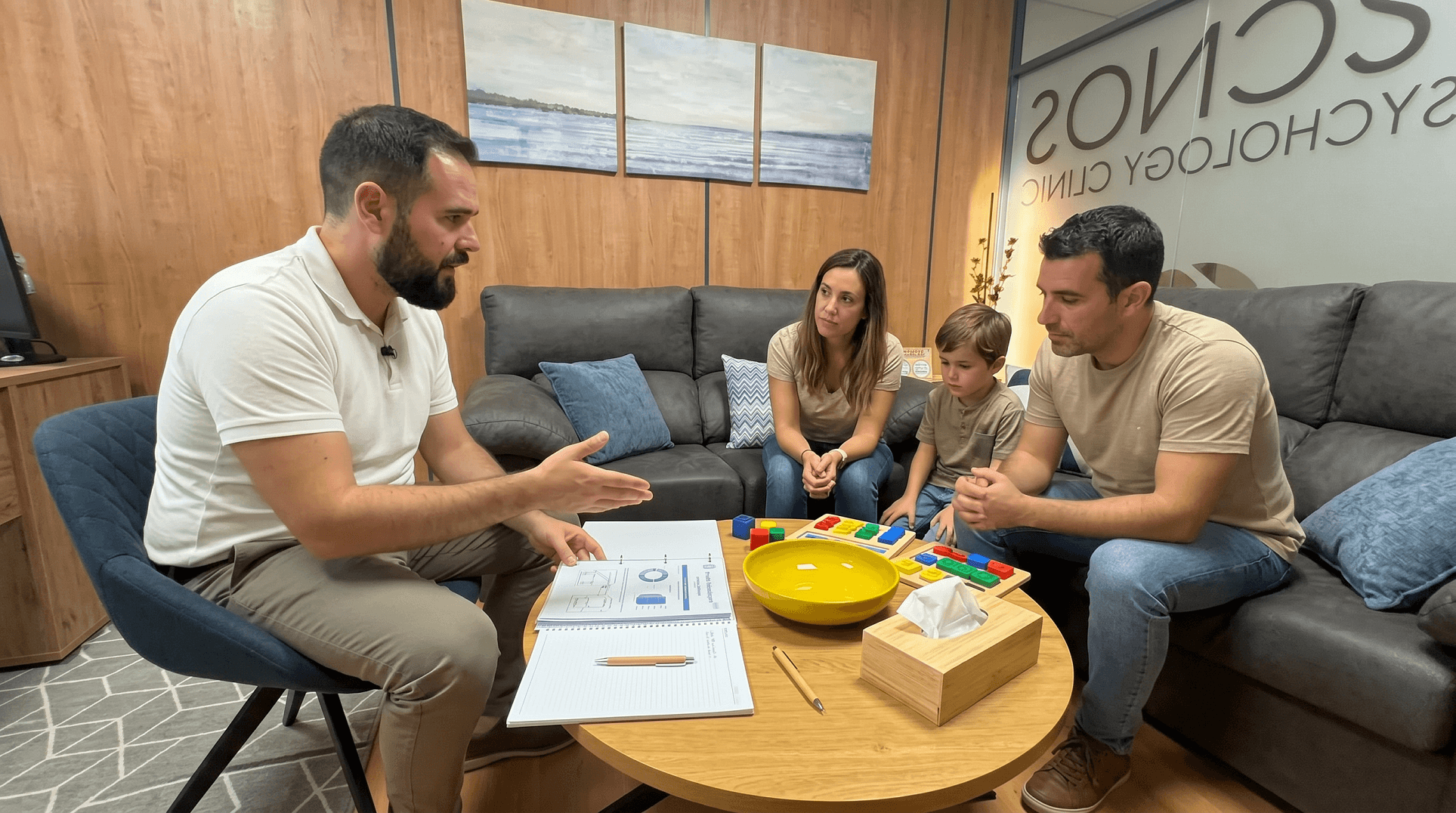
What the assessment may include
Depending on the case, we may explore attention, memory, language, reading, writing, comprehension, executive functions, reasoning, behaviour, emotional regulation, autonomy, social adaptation and educational needs. Not every area is assessed in every case: the process is selected according to the reason for consultation.
If you are looking for a broader assessment, you can start with our psychological assessment page. If there is already a specific concern, it may make more sense to look directly at dyslexia, ADHD, high abilities or autism spectrum assessment.
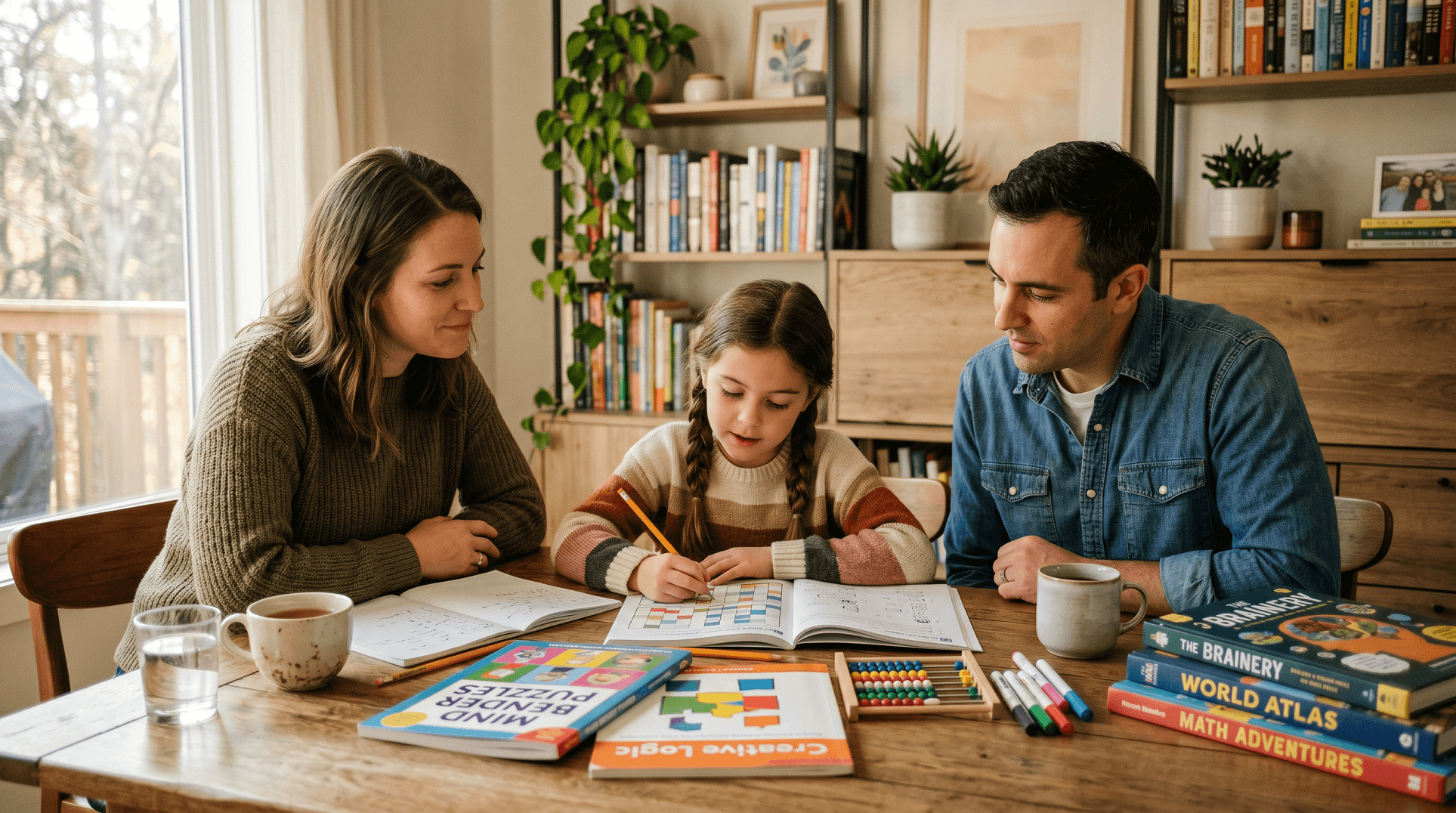
When high potential also needs understanding and adjustment
High abilities do not always appear as “good grades”. Sometimes they coexist with boredom, perfectionism, frustration, emotional intensity, sensitivity, lack of motivation or the feeling of not fitting in. That is why a serious assessment should not be limited to a numerical result.
At Ocnos, work with high abilities aims to understand the complete profile: strengths, needs, emotional adjustment, relationship with school and family dynamics. From there, educational decisions, support strategies and ways of reducing unnecessary conflict can be better guided.
You can read more in our blog post about the indicative high abilities test.
Understanding the profile before demanding changes that may not be realistic
When there are questions related to the autism spectrum, assessment needs to be especially careful. It is not only about observing isolated behaviours, but about understanding how the person communicates, relates to others, processes information, manages change, tolerates stimuli and adapts to their environment.
Family guidance is essential. Many difficulties improve when the family understands what is happening, which demands create overload, which adjustments may help and which behaviours should not be interpreted only as opposition, disobedience or lack of interest.
It may also be useful to read our article on challenging behaviour, because many difficult behaviours have a function and communicate something that deserves to be understood.

A team perspective for assessment, guidance and support
In neuropsychology and assessment, technical precision matters, but so does translating what is happening into language that is useful for the family. At Ocnos, we work with a shared clinical perspective, giving special attention to development, learning, emotion and the family context.

María Ángeles Sanz Ruiz
General Health Psychologist · COPAO AN12933
María Ángeles has a central role in this area because of her perspective on childhood, adolescence, families and the school context. Her work helps ensure that assessment does not remain as isolated data, but becomes a clear explanation and practical guidance for supporting the child, adolescent or family more effectively.
View María Ángeles’ profile
Héctor Lozano Jiménez
General Health Psychologist · Director · COPAO AN11777
Héctor brings a clinical and organisational view of the process: defining the referral question clearly, organising the information and helping the family avoid getting lost between labels, doubts or contradictory explanations.
View Héctor’s profile
Rocío Rodríguez Boza
General Health Psychologist · COPAO AN13748
Rocío adds an integrative view that is sensitive to the emotional impact of difficulties. This is especially important when the child or adolescent arrives with shame, frustration or a strong sense of failure.
View Rocío’s profileBlog articles for families
These resources help connect neuropsychology with specific situations many families experience at home or at school.
Tantrums in children
To understand what may be behind an emotional outburst and how to respond without increasing conflict.
Read articleIndicative high abilities test
A first guide for families who suspect high potential, emotional intensity or school mismatch.
Read articleNight terrors in young children
A useful resource to distinguish fear, nightmares, difficult awakenings and signs worth observing.
Read articleDyslexia in Campo de Gibraltar
To better understand dyslexia, its common signs and when an assessment may be helpful.
Read articleChallenging behaviour
A clinical reading of what difficult behaviour may be communicating and how to approach it with better adjustment.
Read articleA calm environment for careful assessment and support
Psychological and neuropsychological assessment requires concentration, safety and a climate of trust. That is why we care both about the clinical content and the space in which the assessment takes place.

Neuropsychology in Palmones, near Sotogrande, Gibraltar and Algeciras
We see people at Ocnos Psychology Clinic in Palmones, with easy access from Palmones, Los Barrios, Algeciras, La Línea de la Concepción, Sotogrande, Gibraltar and other areas across Campo de Gibraltar.
If you are looking for guidance around learning difficulties, suspected dyslexia, ADHD, high abilities, autism or questions about your child’s development, you can book a first appointment to decide which type of process makes most sense.
Ocnos Psychology Clinic
Address: Edificio Azabache, First Floor, Office 10, 11379, Palmones, Cádiz
Telephone: +34 680 414 592
Booking: Book an appointment
FAQ about neuropsychology
What is neuropsychology?
Neuropsychology studies the relationship between brain functioning, behaviour, learning, attention, memory, language and emotional regulation. In clinical practice, it helps us understand specific difficulties and guide intervention more effectively.
When should I consider a neuropsychological assessment?
It may be useful when there are persistent difficulties with learning, reading, writing, attention, organisation, memory, behaviour, social adaptation or emotional regulation, especially if these difficulties affect school, family life or the person’s wellbeing.
Can neuropsychology help with dyslexia?
Yes. When dyslexia is suspected, assessment can help understand the reading profile, writing, speed, comprehension and other related processes. From there, guidance and tailored intervention can be proposed.
Do you also work with ADHD, high abilities or autism?
Yes. Neuropsychology can form part of the assessment of ADHD, high abilities, autism and other neurodevelopmental difficulties, always adapting the process to the reason for consultation and to each person’s needs.
Is assessment only useful for getting a diagnosis?
No. A diagnosis can be useful in some cases, but assessment should also help families understand the person’s functioning, adjust expectations and receive practical recommendations for home, school or clinical intervention.
Do you work with families?
Yes. With children and adolescents, family guidance is a very important part of the process. Many difficulties improve when the family understands the child’s profile better and knows how to support them without increasing pressure or conflict.
Where is Ocnos Psychology Clinic?
We are in Palmones, in Edificio Azabache, First Floor, Office 10. The clinic has easy access from Los Barrios, Algeciras, La Línea de la Concepción, Sotogrande, Gibraltar and other areas across Campo de Gibraltar.
Understanding what is happening can change the way a child or family is supported
If your child has difficulties with learning, attention, reading, behaviour, adaptation or development, a good assessment can help you move out of confusion and make clearer decisions. At Ocnos Psychology Clinic, we offer serious, approachable support adapted to each case.
Latest neuropsychology resources and blog articles
At Ocnos Psychology Clinic, we publish practical and clinically responsible resources for families interested in learning, attention, emotional regulation, dyslexia, ADHD, high abilities, autism and child and adolescent development.

Perfectionism in highly able children and teenagers: when it helps and when it gets in the way
Wanting to do something very well is not a problem. Perfectionism becomes more concerning when fear of mistakes, harsh self-criticism or the need to get everything exactly right leads to avoidance, delay, distress or less learning. This guide explains what research tells us about perfectionism and high ability and offers practical tools for families and teenagers.

High ability and ADHD or autism: understanding twice exceptionality
A child can have very high intellectual ability and still need substantial support because of ADHD or autism. This guide explains twice exceptionality, why strengths and difficulties may hide one another, how assessment can make sense of an uneven profile, and how families and schools can support needs without suppressing talent.

High ability and school underachievement: why they can coexist
High ability does not guarantee top grades. This guide explains why strong intellectual potential can coexist with low or inconsistent school performance, the roles of motivation, executive functions, perfectionism and twice exceptionality, and how to help without reducing the problem to “they could do it if they wanted to”.

Autism in adults: understanding a late diagnosis and finding support
Receiving, or considering, an autism diagnosis in adulthood can make many past experiences look different. This guide explains why autism may go unrecognised, how adult assessment works, what masking can cost and what practical support may help in everyday life.

ADHD in adult women: signs that can go unnoticed
ADHD in adult women can be hidden behind effort, perfectionism, anxiety or demanding organisational systems. This guide explains signs worth noticing, how a careful assessment works and includes private interactive exercises to help you understand your own patterns without turning them into a self-diagnosis.

ADHD in children: signs, assessment and support at home and school
ADHD in children cannot be identified from one behaviour or confirmed by one test. This guide explains signs worth noticing, how a careful assessment works, and practical ways to support children at home and at school.

Autistic masking in girls and teenagers: when fitting in takes too much effort
Some autistic girls and teenagers appear to cope well on the outside while spending enormous energy observing, copying, rehearsing or hiding needs in order to fit in. This guide explains autistic masking, the possible costs of that invisible effort, and practical ways to support a young person without turning masking into a self-test.
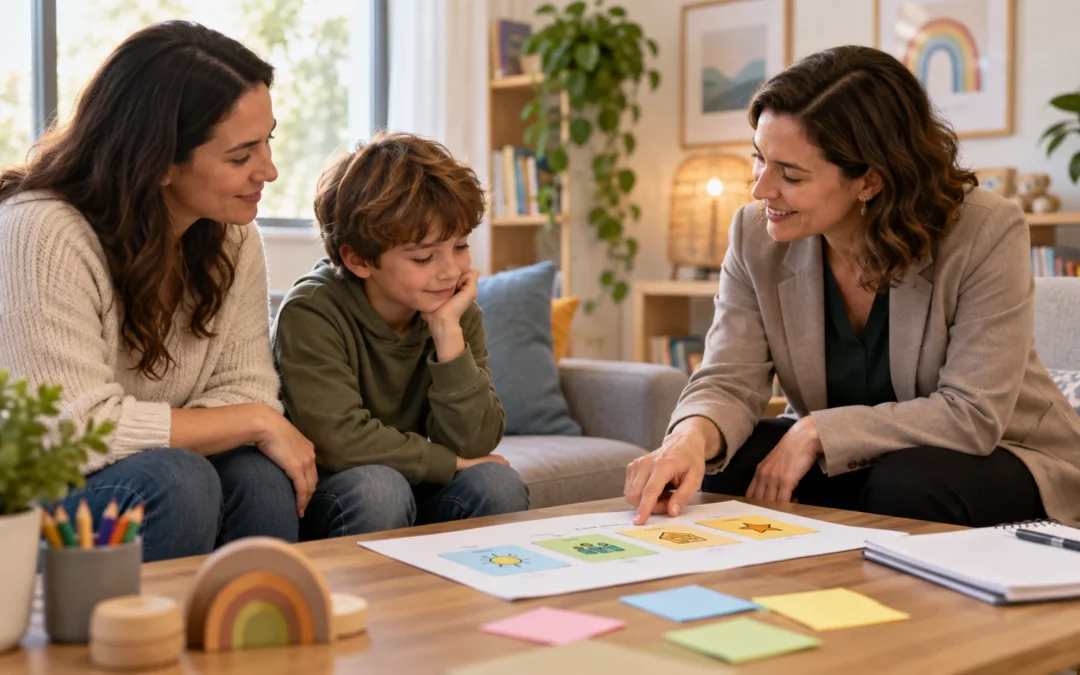
Autism interventions and support: what has evidence and how to spot pseudoscience
There is no single therapy for autism. This guide explains how to assess interventions, which supports have evidence for specific goals, and which warning signs should make families question a treatment claim.
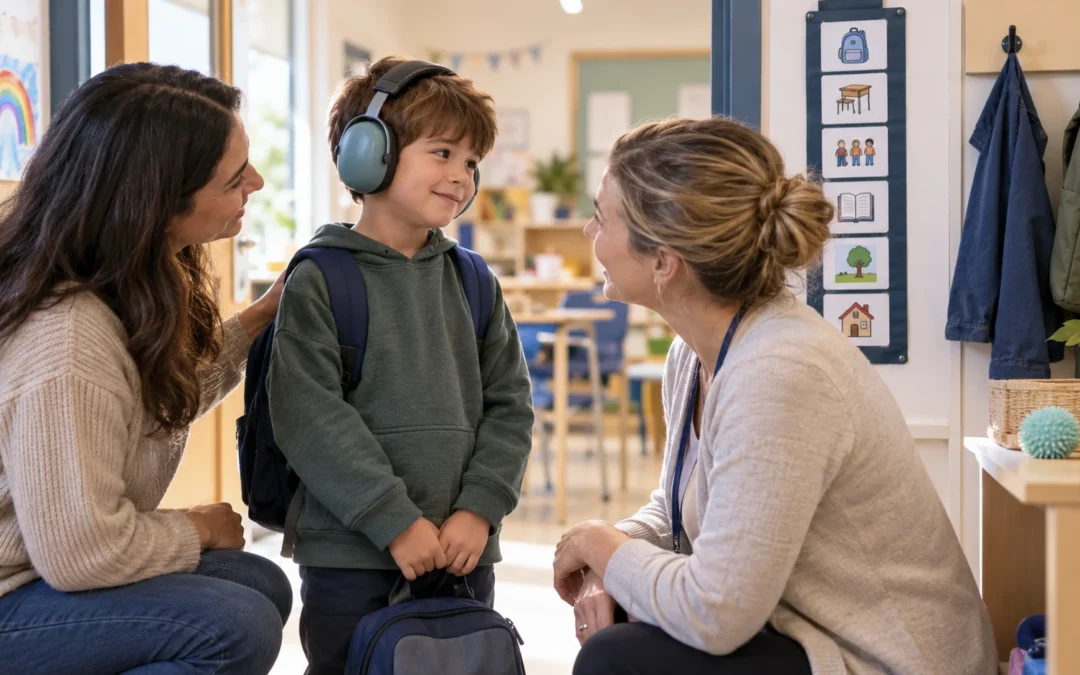
Sensory differences in autism: noise, clothing, food and overload
Sounds, fabrics, lights, smells and food textures can be experienced very differently by autistic children and teenagers. This guide explains hyper- and hypo-reactivity, sensory overload and practical ways to make home, school and everyday life more accessible.