

Ocnos clinical team
Rocío Rodríguez Boza General Health Psychologist in Palmones
Rocío supports adults, children, teenagers and families from an integrative, trauma-informed perspective focused on building emotional safety while considering each person’s history and circumstances.
- COPAO AN 13748
- In-person and online appointments
- Integrative and trauma-informed approach

General Health Psychologist · Ocnos Psychology Clinic
Professional profile
Understanding what is happening without reducing a person to their symptoms
Rocío Rodríguez Boza is a General Health Psychologist registered in Spain with COPAO under membership number AN 13748. She is a member of the clinical team at Ocnos Psychology Clinic in Palmones.
Her understanding of therapy starts with an essential idea: emotional distress does not appear from nowhere. What a person feels, thinks or does often relates to their history, relationships, lived experiences and the ways they learnt to protect themselves.
Working from an integrative and trauma-informed perspective, Rocío adapts the process to the needs of the person in front of her. This makes it possible to address symptoms that interfere with life now while also understanding the circumstances that give those symptoms meaning, without forcing the pace or turning a diagnostic label into someone’s identity.
Her style combines warmth, clinical listening and shared goals. Therapy becomes a safe place to organise what is happening, develop emotional regulation skills and build a kinder, steadier relationship with oneself and with other people.
Areas of support
Issues she commonly supports in therapy
Rocío supports emotional and relationship difficulties at different stages of life. The initial assessment helps clarify what is happening and establish realistic goals for each individual process.
Anxiety and emotional regulation
Persistent worry, emotional overwhelm, hypervigilance, feeling stuck, fear of judgement or difficulty returning to a calmer state.
Depression and emotional distress
Sadness, apathy, emptiness, withdrawal, self-criticism or times when reconnecting with oneself and daily life feels difficult.
Difficult experiences and trauma
Emotional wounds, insecurity and relationship pain approached gradually, without pressure to revisit experiences before sufficient resources are in place.
Relationships, attachment and self-esteem
Emotional dependency, boundaries, conflict, recurring patterns and difficulties in building safer, more balanced relationships.
LGBTQ+ affirmative therapy
Identity, orientation, rejection, stigma and minority stress explored from a respectful, affirmative and non-pathologising perspective.
Children, teenagers and families
Age-appropriate psychological support and family guidance to understand emotions, behaviour, relationships and underlying needs.
Therapeutic approach
Emotional safety, understanding and change at a manageable pace
Every process needs an individual approach, although three principles consistently guide the way Rocío works.
Creating a safe space
Feeling heard and supported without judgement can make it easier to discuss difficult experiences and observe them with less fear or shame.
Bringing symptoms, history and context together
Therapy considers what is happening now as well as the relationships, learning and protective strategies that may be maintaining the problem.
Respecting the pace of the process
Difficult experiences are approached gradually, prioritising regulation skills and avoiding pushing someone beyond what they can safely manage.

Her work at Ocnos
Warm therapy that cares about both the process and its goals
At Ocnos, Rocío offers a space for listening and clinical work where people can explain what they are experiencing without feeling judged or reduced to a single problem. The initial assessment helps organise the difficulties, understand their context and agree what needs to change.
The process combines understanding with practical tools. Alongside making sense of emotions, patterns and protective responses, therapy develops skills to regulate distress, set boundaries, communicate more clearly and approach everyday situations with greater safety.
- Non-judgemental listening
- Shared goals
- Emotional safety
- Integrative perspective
- Regulation skills
- Adapted pace
Practice and development
Areas that guide her clinical work and continuing professional development
Alongside her qualification as a General Health Psychologist and professional registration, her practice brings together knowledge and resources related to trauma, emotional regulation, relationships and support at different stages of life.
These areas describe her clinical practice and professional development. They are not presented as official healthcare specialisms in addition to her qualification as a General Health Psychologist.
Beyond the consulting room
Useful psychology for families, relationships and everyday life
Rocío contributes to activities with families and writes resources about anxiety, trauma, attachment, relationships, affirmative therapy and emotional wellbeing. Her aim is to explain psychology rigorously and clearly without turning educational content into remote diagnosis.


In-person and online appointments
Psychological support from Palmones for Campo de Gibraltar
Rocío works at Ocnos Psychology Clinic in the Edificio Azabache in Palmones, opposite Hospital Quirón Campo de Gibraltar. The clinic is within easy reach of Los Barrios, Algeciras, San Roque, La Línea de la Concepción, Sotogrande and Gibraltar.
She also offers online therapy when this format is suitable for the case and the person’s circumstances.
Professional transparency
Registration and professional profiles
You can verify Rocío’s professional registration and view her professional profile. These links confirm her identity and membership of the Ocnos clinical team.
Would you like to know whether Rocío may be able to help?
You can contact Ocnos, briefly explain what you need and ask about availability. If another member of the team is better suited to your circumstances, we can also guide you.
Articles and resources
Latest articles and resources written by Rocío Rodríguez
Articles about anxiety, trauma, internal parts, attachment, relationships, affirmative therapy, grief and emotional regulation, written from a warm and clinically responsible perspective. This information is educational and does not replace an individual professional assessment.

Transphobia and discrimination: what to do and where to get help in Spain
A practical map for responding after transphobia or discrimination: get safe, describe the facts, preserve useful information, choose the right support and reclaim space for the rest of your life.
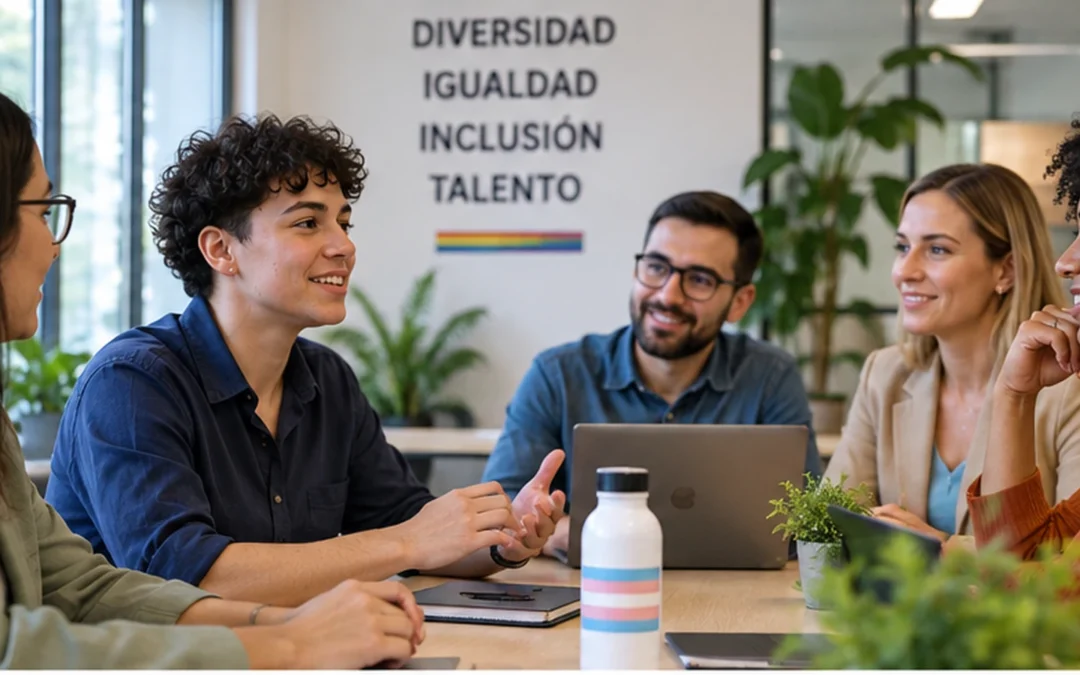
Trans people at work: privacy, respect and workplace wellbeing
How to decide what to share at work, organise name and system changes, speak with HR and protect your wellbeing without making your identity the centre of your career.

Trans people from abroad in Spain: documents, residence, healthcare and support
A practical guide to understanding which authority controls each document when your passport, residence records and Spanish documents may belong to different systems.

Documents to update after a registered sex change in Spain: a practical guide
A priority-based guide to updating the systems you actually use after a registered change, without trying to change everything in one day or assuming every organisation synchronises in the same way.

Changing your name and registered sex in Spain: a guide for trans people
A practical, current guide to changing the registered sex marker and name in Spain, using official sources and separating the legal process from medical transition.

Hormones, surgery and fertility for trans people: making informed decisions without pressure
A guide to thinking through medical-transition decisions without assuming every trans person must use hormones, have surgery or preserve fertility, and without treating uncertainty as an identity test.

Trans healthcare for children and teenagers in Andalusia: support, decisions and common questions
A clinically grounded guide for trans or non-binary teenagers and their families on navigating Andalusian healthcare without treating information as a commitment to treatment or family uncertainty as an automatic veto.

Trans healthcare for adults in Andalusia: how it works and what to expect
A practical guide to navigating Andalusian public healthcare as a trans, non-binary or questioning adult without assuming you want hormones, surgery or one fixed pathway.

Transphobic bullying and cyberbullying: recognising it, staying safe and seeking help
A practical, clinically grounded guide to distinguishing mistakes, conflict, harassment, bullying, cyberbullying and threats, while protecting safety without blaming the person targeted.
Looking for a different topic?
More psychology resources from Ocnos
The Ocnos blog includes resources from our team on anxiety, trauma, relationships, childhood, affirmative therapy and emotional wellbeing. If you would like guidance for your particular circumstances, you can contact the clinic.