

Anxiety treatment in Palmones, near Algeciras, Sotogrande and Gibraltar
Registered health psychologists for anxiety, panic attacks, constant worry, work-related anxiety and difficulty sleeping. At Ocnos Psychology Clinic, we help you understand what is happening and regain space in your life, step by step.
We offer therapy in Spanish and English. Our clinic is located in the Edificio Azabache in Palmones, with easy access from Algeciras, Los Barrios, San Roque, La Línea, Gibraltar and Sotogrande.
You may still be functioning, but inside you feel exhausted
Anxiety is not always visible from the outside. Sometimes you keep working, replying to messages, looking after others or meeting your responsibilities, while inside you feel that your mind never stops.
You may notice pressure in your chest, muscle tension, difficulty breathing calmly, constant overthinking, fear that something will go wrong or a sense of alertness that does not switch off even when you get home.
At Ocnos Psychology Clinic, we work with anxiety from a clinical, warm and practical perspective. It is not about simply telling you to relax or promising that you will never feel fear again. It is about understanding what keeps your anxiety going and helping you regain the freedom to decide how you want to live.
Key idea: anxiety is not a weakness. It is an alarm signal that can become excessive, confusing or very difficult to manage without support. Therapy can help you understand it and relate to it differently.

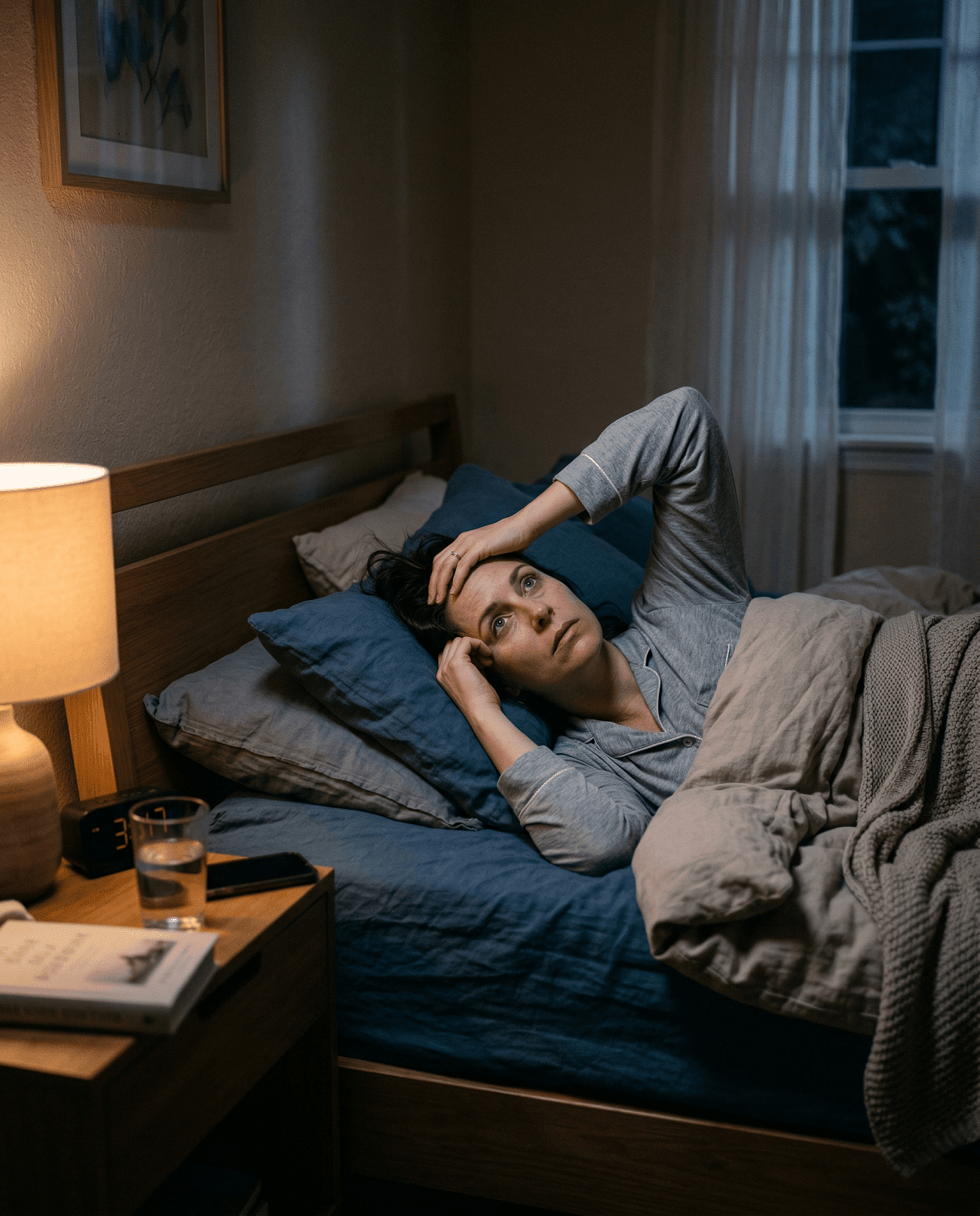
What anxiety is and when to ask for help
Anxiety is a natural response of the body to a possible threat. It helps us prepare, anticipate risks and react. The problem appears when that alarm stays switched on for too long, is triggered without a clear danger or begins to limit your life.
Asking for help does not mean that you cannot cope with life. It means that something has become too costly to carry alone. When anxiety affects your sleep, work, relationships, body or decisions, therapy can help you regain stability.
You find it hard to switch off, even when there is nothing urgent.
You constantly anticipate problems or need to keep everything under control.
You avoid situations because you fear feeling anxious, freezing or losing control.
Your body feels tense: palpitations, tightness, a knot in your stomach or exhaustion.
You sleep badly, wake up worried or start the day already exhausted.
Anxiety can affect your body, your mind and the way you live
Not everyone experiences anxiety in the same way. Some people feel it mainly in the body; others experience it as repetitive thoughts, fear of the future or a need to control. That is why it is important to understand your specific pattern.
In the body
Muscle tension, a racing heart, pressure in the chest, shallow breathing, digestive discomfort, trembling, tiredness or feeling constantly on alert.
In the mind
Constant worry, negative anticipation, rumination, intrusive thoughts, fear of making mistakes, losing control or something serious happening.
In behaviour
Avoiding plans, postponing decisions, checking repeatedly, seeking reassurance, isolating yourself, overworking or trying to control everything to feel temporary relief.
In daily life
Difficulty sleeping, irritability, problems concentrating, exhaustion, tension in your relationship, reduced enjoyment and the feeling that you cannot stop.
Types of anxiety we can work with in therapy
Many people come to therapy without knowing whether what they are experiencing is anxiety, stress, fear, feeling stuck or a mixture of everything. In the first assessment, we help make sense of what you are going through and define a realistic therapy plan.
Generalised anxiety
Constant worry, difficulty switching off and fear that something will go wrong.
Panic attacks
Intense episodes of fear with very alarming physical symptoms.
Night-time anxiety
Difficulty sleeping, waking during the night, repetitive thoughts and night-time activation.
Work-related anxiety
Pressure, self-demand, fear of failure, difficulty setting boundaries or switching off from work.
Social anxiety
Fear of being judged, watched, rejected or not knowing what to say.
Anxiety in relationships
Insecurity, fear of abandonment, need for reassurance or difficulty trusting.
We can also help if anxiety appears alongside depression, chronic stress, grief, life changes, trauma, relationship difficulties or low self-esteem.

How we work with anxiety treatment at Ocnos
In therapy, we do not look for quick formulas or empty phrases. We work with you to understand what triggers your anxiety, what keeps it going and what changes can help you regain calm, autonomy and direction.
We assess your case
We explore symptoms, history, current context, habits, relationships, work, sleep and situations that trigger anxiety.
We understand the pattern
We identify the cycle between thoughts, physical sensations, avoidance, control and short-term relief.
We practise tools
We work on physiological regulation, managing thoughts, gradual exposure, decision-making and tolerance of uncertainty.
We regain life
The aim is not to live without anxiety, but for anxiety to stop deciding for you so you can move towards what matters.
Our clinical perspective: we do not try to force anxiety to disappear. We help you relate to it differently: noticing thoughts without getting trapped in them, regulating the body, reducing avoidance and taking committed steps towards your values.

What the first anxiety therapy session is like
You do not need to arrive knowing how to explain perfectly what is happening to you. Many people come precisely because they feel confused: I do not know if this is anxiety, I do not know where to start, I find it hard to put it into words.
In the first session, we listen carefully to your situation, explore the main symptoms, when they appear, how they affect your life and what you have tried so far to manage them. We also answer your questions and agree the first therapeutic goals with you.
Health psychologists for anxiety in Campo de Gibraltar
At Ocnos Psychology Clinic, we work from a professional, human and personalised perspective. Each process is adapted to the person, their history and the life stage they are in.
Héctor Lozano Jiménez
General Health Psychologist · Director · COPAO AN 11777
He works with anxiety, stress, feeling stuck, self-demand and personal change processes from a practical, contextual and person-centred approach.
View profile
Rocío Rodríguez Boza
General Health Psychologist · COPAO AN 13748
She supports processes involving anxiety, emotional regulation, trauma, relationships and psychological distress from an integrative, warm and respectful perspective.
View profile
María Ángeles Sanz Ruiz
General Health Psychologist · COPAO AN 12933
She supports psychological therapy processes from a relational, emotional and contextual perspective, adapting the work to each person’s needs and life stage.
View profileWhen anxiety appears alongside other symptoms
Anxiety does not always come alone. Sometimes it appears alongside sadness, emotional exhaustion, obsessions, relationship problems, sexual difficulties, insecurity, work stress or a feeling of being disconnected from yourself.
That is why, in some cases, it can be helpful to consider other related services or resources. Not to add more labels, but to understand the whole picture of what is happening to you.

A calm space to talk from the first session
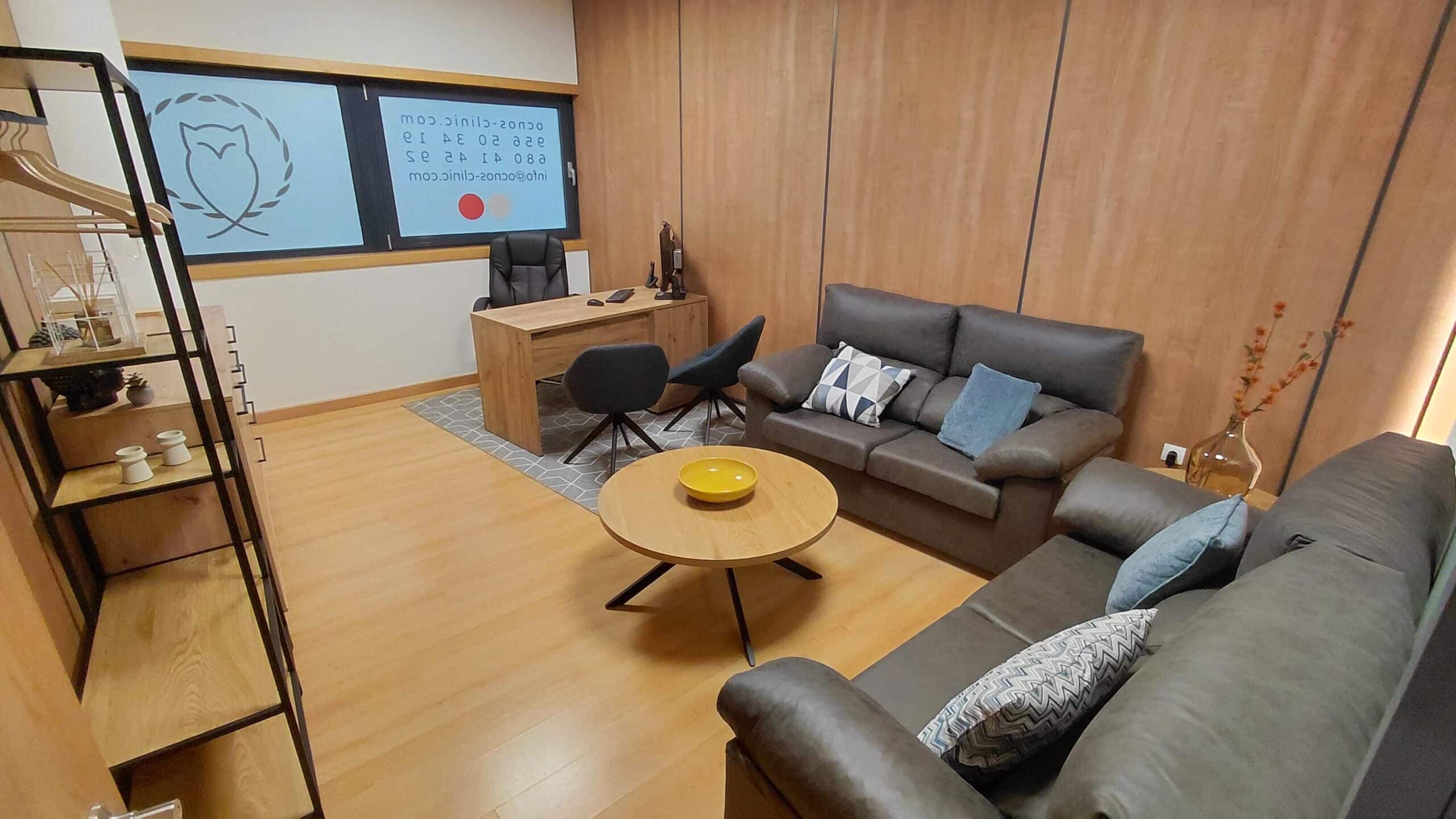
Ocnos Psychology Clinic is designed to offer a professional, warm and discreet environment. We know that coming to therapy for the first time can feel nerve-racking, so we pay close attention to welcome, clarity and a sense of safety.
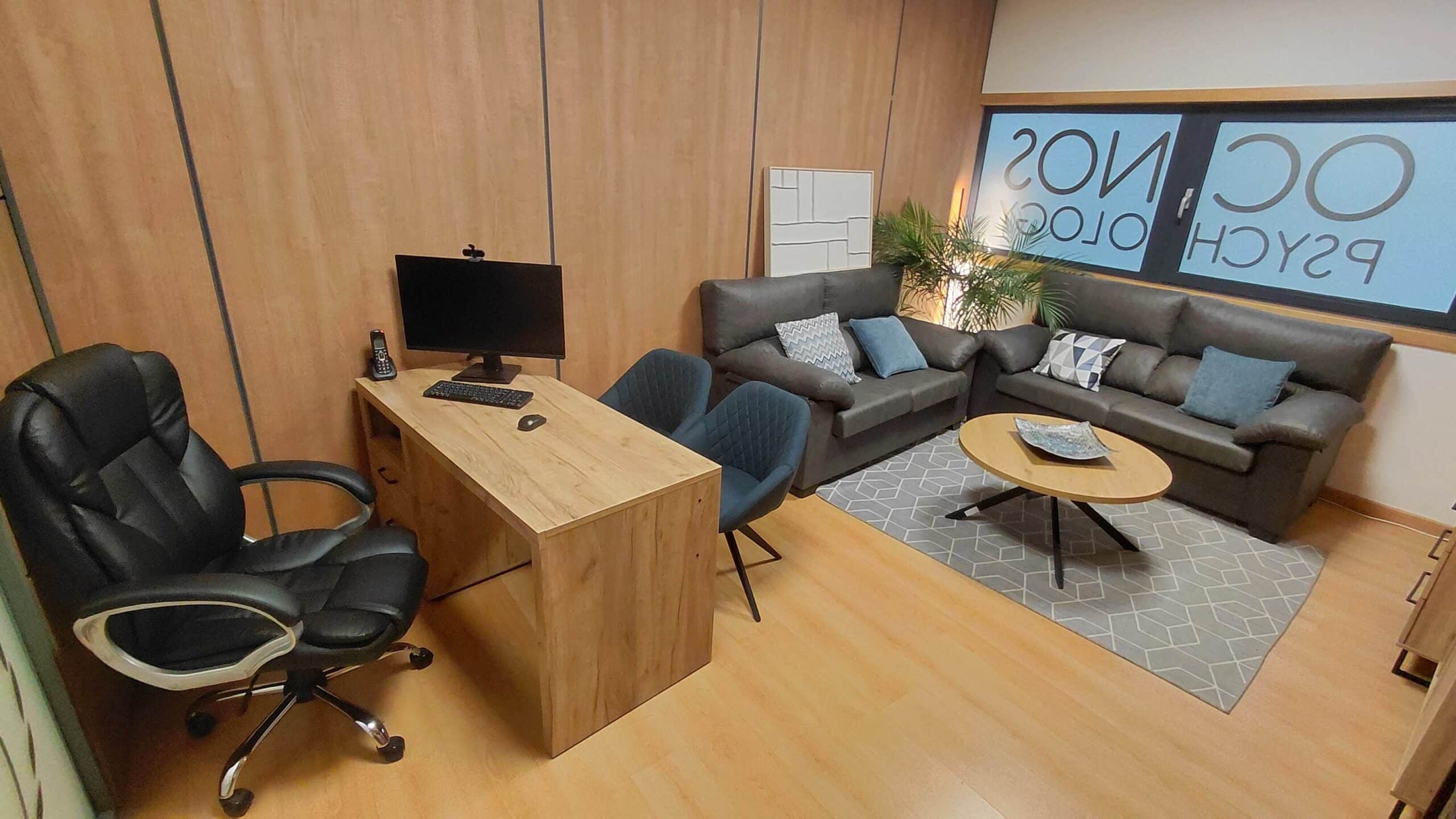
Warm and private therapy rooms
Spaces designed to talk calmly, without rushing and with privacy.
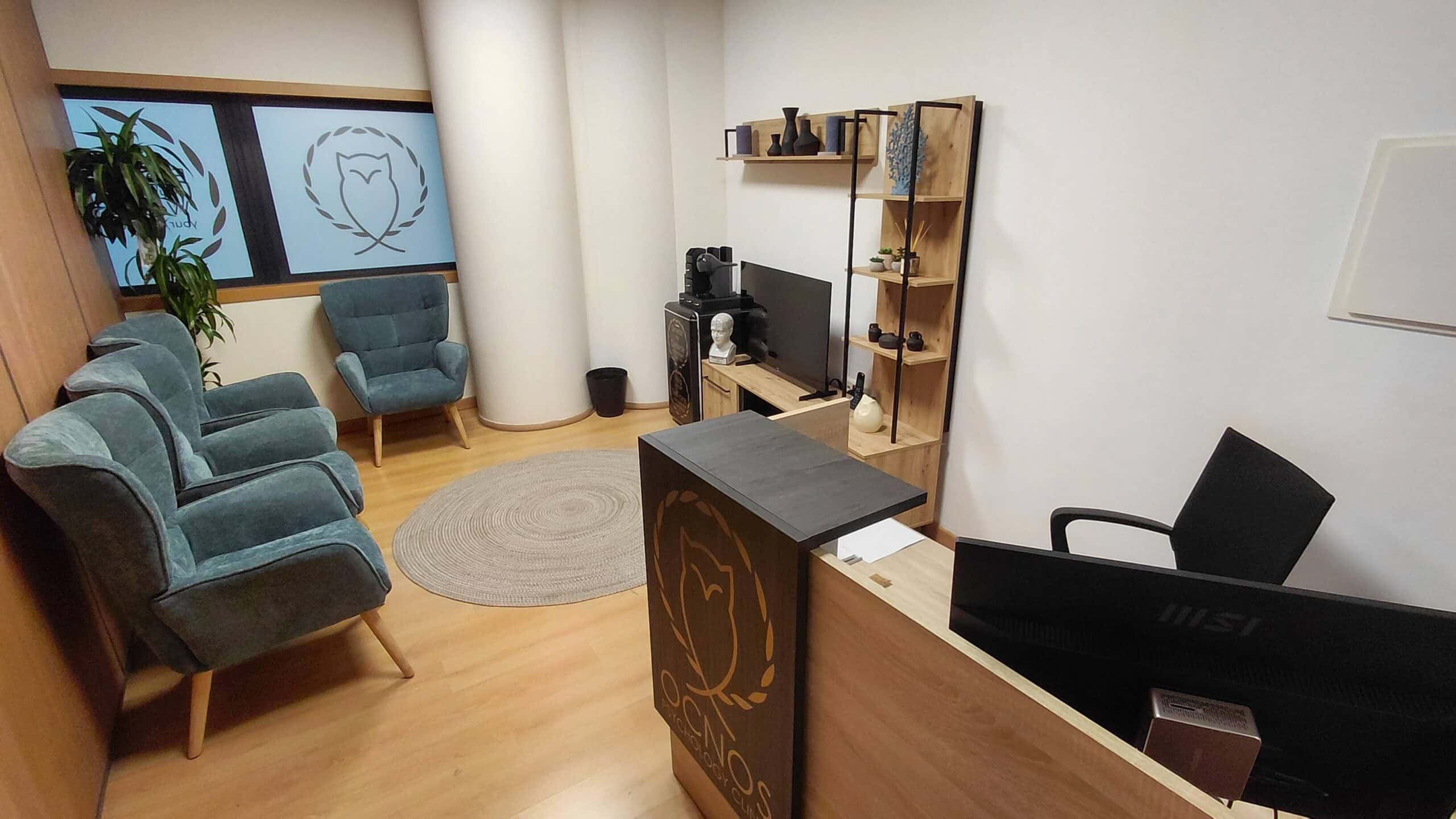
A warm welcome
We guide you from the first contact so you know how to begin.
In-person and online care
We work in the clinic and also through online therapy when that is more suitable for you.
When urgent help may be needed
Psychological therapy can be very helpful in the treatment of anxiety, but it does not replace urgent care when there is immediate risk.
If anxiety appears with thoughts of harming yourself, a feeling that you cannot keep yourself safe, heavy substance use, disorientation, intense and new physical symptoms, chest pain or significant difficulty breathing, seek urgent medical help or go to an emergency service.
Ocnos Psychology Clinic reviews
We know that asking for psychological help can feel daunting at first. That is why we take great care with the first welcome, clarity about the process and the sense of safety within therapy.


Anxiety treatment in Palmones
Ocnos Psychology Clinic is located in Edificio Azabache, First Floor, Office 10, in Palmones. Our location is easy to reach from Algeciras, Los Barrios, San Roque, La Línea de la Concepción, Gibraltar and Sotogrande.
We offer in-person therapy and also online therapy for people who prefer to begin the process from home or who live outside Campo de Gibraltar.
Frequently asked questions about anxiety treatment
These are some common questions before starting therapy for anxiety. If you are not sure whether your case fits, we can assess it with you in a first session.
How do I know if I need anxiety treatment?
It may be advisable to ask for help if anxiety affects your sleep, concentration, work, relationships or decisions. Also if you avoid situations out of fear, notice frequent physical symptoms or feel that your mind never rests.
What is the difference between anxiety and stress?
Stress is usually linked to a specific demand or pressure. Anxiety can continue even when the situation has passed or there is no clear danger. In many cases they overlap, so it is useful to assess the full pattern.
Does psychological therapy for anxiety work?
Psychological therapy can help reduce symptoms, understand what keeps anxiety going and develop strategies to face thoughts, physical sensations and avoidance behaviours. The work is adapted to each person and their context.
How long does anxiety take to improve?
It depends on the intensity of the symptoms, how long they have been present, the person’s context and their involvement in the process. Some people feel relief when they understand what is happening; others need more gradual and sustained work.
What should I do if I have panic attacks?
If you have panic attacks, it is important to learn what happens in the body, reduce fear of physical sensations and gradually work on the situations you have been avoiding. If the symptoms are new, very intense or worrying, medical assessment may also be advisable.
Can anxiety affect sleep?
Yes. Anxiety can make it harder to fall asleep, cause night waking, increase repetitive thoughts at night or make you start the day feeling exhausted. In therapy, we can work on physiological activation as well as the habits and thoughts that maintain the problem.
Can I have online therapy for anxiety?
Yes. At Ocnos Psychology Clinic we offer in-person therapy in Palmones and online therapy. Online therapy can be useful if you live far away, have difficulty travelling or prefer to start the process from home.
Do I need medication to treat anxiety?
Not always. Many people work on anxiety through psychological therapy. In other cases, especially when symptoms are very intense or there are other associated problems, it may be useful to coordinate with medicine or psychiatry to assess options. Medication should always be prescribed by a medical professional.
Do you treat work-related anxiety?
Yes. We work with work-related anxiety, self-demand, fear of failure, difficulty setting boundaries, feeling stuck, chronic stress and problems switching off from work. The aim is to understand what is maintaining the anxiety and build sustainable strategies.
Where is Ocnos Psychology Clinic?
We are in Palmones, in Edificio Azabache, First Floor, Office 10. We see people from Palmones, Los Barrios, Algeciras, San Roque, La Línea de la Concepción, Gibraltar, Sotogrande and other areas of Campo de Gibraltar.
Start working on your anxiety with professional support
You do not have to wait until you are at your limit to ask for help. If anxiety is affecting your rest, work, relationships or the way you live, we can help you understand what is happening and take the first steps.

Otrovert: What It Means and What Psychology Really Says
“Otrovert” is a recent term for people who can be sociable yet feel little need to belong to groups. Rocío Rodríguez Boza explains what the concept is trying to describe, how much scientific support it currently has, and how it differs from introversion, ambiversion, shyness, loneliness and social anxiety.

How to prepare children for going back to school: a psychological guide for families
Going back to school can bring excitement, nerves, disrupted sleep, separation worries or even tummy aches. María de los Ángeles Sanz Ruiz explains how parents can rebuild routines, understand what children may be afraid of and support them without dismissing their feelings or reinforcing avoidance.

Expressing emotions through art: a practical guide when words are not enough
When words are not enough, drawing, colour or collage can help us notice and communicate what we feel. Rocío Rodríguez Boza shares seven emotional expression exercises, explains how to use them safely and clarifies the difference between creating at home and art therapy.

Impostor syndrome: how to overcome it without waiting to feel completely confident
You can be well prepared and still have doubts. This guide will help you recognise impostor syndrome, understand the cycle that keeps it going and use eight practical exercises to move forwards with greater confidence and less self-criticism.

Acting in Line with Your Values: Guided Audio
A guided exercise from Ocnos to reconnect with what matters to you and choose one small action, without waiting for fear or uncertainty to disappear.

Grounding yourself in the present: guided audio
A guided grounding audio lasting 10 minutes 28 seconds, with Héctor Lozano, to return to the present, separate facts from thoughts and choose your next step without waiting for the emotion to disappear.

Observe emotions without judgement: guided meditation
A guided meditation lasting 12 minutes 30 seconds, with Héctor Lozano, to notice sensations, thoughts, emotions and urges without judging them. Includes the full transcript and guidance for practising safely.

Social anxiety or shyness: how to tell the difference and when to seek help
Do you avoid speaking, calling, meeting people or expressing an opinion because you fear being judged? Rocío Rodríguez Boza, General Health Psychologist, explains how to distinguish shyness from social anxiety, recognise the symptoms and safety behaviours involved, practise gradual exercises and decide when professional support may be helpful.

Panic attacks: symptoms, how long they last and what to do
A panic attack can cause a racing heart, breathlessness, dizziness, chest tightness and an intense fear of losing control or dying. Héctor Lozano Jiménez, General Health Psychologist, explains how to recognise an attack, how long it may last, what to do during the episode and which psychological techniques can help reduce fear of future attacks.