

Ocnos clinical team
María de los Ángeles Sanz Ruiz General Health Psychologist in Palmones
She supports psychological processes with a warm, relational and clinically responsible approach that considers each person's history, emotions, relationships and wider circumstances.
- COPAO AN 12933
- In-person and online appointments
- Relational and emotional approach

General Health Psychologist · Ocnos Psychology Clinic
Professional profile
Understanding distress within a personal history and relationships
María de los Ángeles Sanz Ruiz is a General Health Psychologist in Spain, registered with COPAO under membership number AN 12933, and a member of the clinical team at Ocnos Psychology Clinic in Palmones.
Her work is guided by a relational, emotional and contextual perspective. She understands that feelings and behaviour do not develop in isolation: they make sense within a person's history, current stage of life, relationships and the ways they have learnt to protect themselves.
In therapy, María Ángeles pays close attention to emotions, the needs that may sit beneath conflict and relationship patterns that recur. The aim is to help each person understand what is happening, integrate their experiences and develop more conscious ways of relating to themselves and others.
Her style combines empathic listening, clinical clarity and respect for each person's pace. Therapy is approached as a safe space in which to organise what is happening and move forwards gradually, without judgement or ready-made solutions.
Areas of support
Processes commonly explored in therapy
María Ángeles supports people who want to understand their distress more clearly, regulate difficult emotions and find more thoughtful, sustainable ways of navigating relationships and everyday life.
Emotional regulation
Anxiety, sadness, guilt, irritability, emotional blocks or intense feelings that are difficult to understand and manage.
Relationships and bonds
Recurring patterns, difficulty setting boundaries, interpersonal conflict and relationships that have become a source of distress.
Personal history
Understanding how biography, family context and emotional learning continue to shape present-day experiences.
Self-esteem and identity
Working with self-criticism, insecurity or disconnection to develop a kinder and more coherent relationship with oneself.
Life changes and crises
Bereavement, separation, major decisions, uncertainty, family changes or the feeling of having lost direction.
Couples and communication
Recurring conflict, emotional distance, difficulty expressing needs and the wish to build safer, healthier relationships.
Therapeutic approach
Relational and emotional therapy connected to your circumstances
Every process is different, but three ideas consistently guide the way María Ángeles works.
Understand before changing
Making sense of distress and the purpose certain responses have served can reduce self-blame and prevent change from being forced before it feels meaningful.
Listen to emotions and needs
Emotions carry information. Recognising them can help identify needs, conflicts and boundaries that may not previously have found a way to be expressed.
Build more conscious relationships
Therapy helps people notice relational patterns and practise safer ways of communicating, caring for themselves and connecting with others.

Her work at Ocnos
Warm, thoughtful and clinically responsible support
At Ocnos, María Ángeles offers a listening space where people can explain what they are experiencing without being reduced to a diagnosis or a single difficulty. The initial assessment helps place the problem in context and agree realistic goals for therapy.
Her way of working brings understanding and change together: making sense of emotions and relational patterns whilst also developing resources that can be used outside the consultation room.
- Empathic listening
- Shared goals
- Attention to relationships
- Emotional understanding
- Contextual perspective
- An adaptable pace
Training and professional development
Training focused on health and emotional support
Alongside her qualification as a General Health Psychologist in Spain and her COPAO registration, María Ángeles has training related to emotional, relational and psychological health processes.
Further training is presented as additional professional information. It does not replace verification of professional registration or, by itself, imply an officially recognised healthcare speciality.
Beyond the consultation room
Accessible psychology for families and the community
María Ángeles takes part in outreach activities and creates resources about emotions, relationships, childhood, behaviour and psychological wellbeing. The aim is to offer reliable information that supports understanding without replacing an individual assessment.


In-person and online appointments
Psychological support from Palmones for Campo de Gibraltar
María Ángeles sees clients at Ocnos Psychology Clinic in Edificio Azabache, Palmones, opposite Quirón Campo de Gibraltar Hospital. The clinic is well connected to Los Barrios, Algeciras, San Roque, La Línea de la Concepción, Sotogrande and Gibraltar.
She also offers online therapy when this format is appropriate for the person's needs and circumstances.
Professional transparency
Professional registration and profiles
You can verify María Ángeles' professional registration and view her professional listing. These links help confirm her identity and membership of the Ocnos clinical team.
Would you like to know whether María Ángeles may be able to help?
You can contact Ocnos, briefly explain what you need and ask about availability. If another member of the team may be a better fit for your situation, we can also guide you.
Articles and resources
Latest articles and resources by María Ángeles Sanz
Articles about emotions, relationships, childhood, behaviour and psychological wellbeing, written from a warm and clinically responsible perspective. This information is educational and does not replace an individual professional assessment.
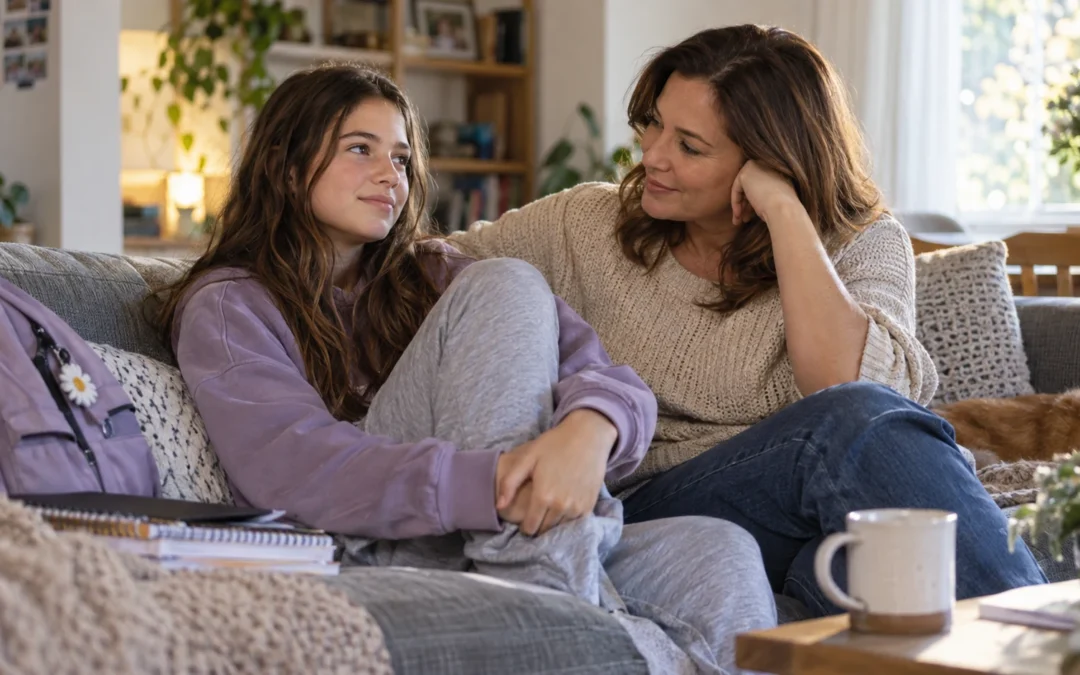
Autistic masking in girls and teenagers: when fitting in takes too much effort
Some autistic girls and teenagers appear to cope well on the outside while spending enormous energy observing, copying, rehearsing or hiding needs in order to fit in. This guide explains autistic masking, the possible costs of that invisible effort, and practical ways to support a young person without turning masking into a self-test.
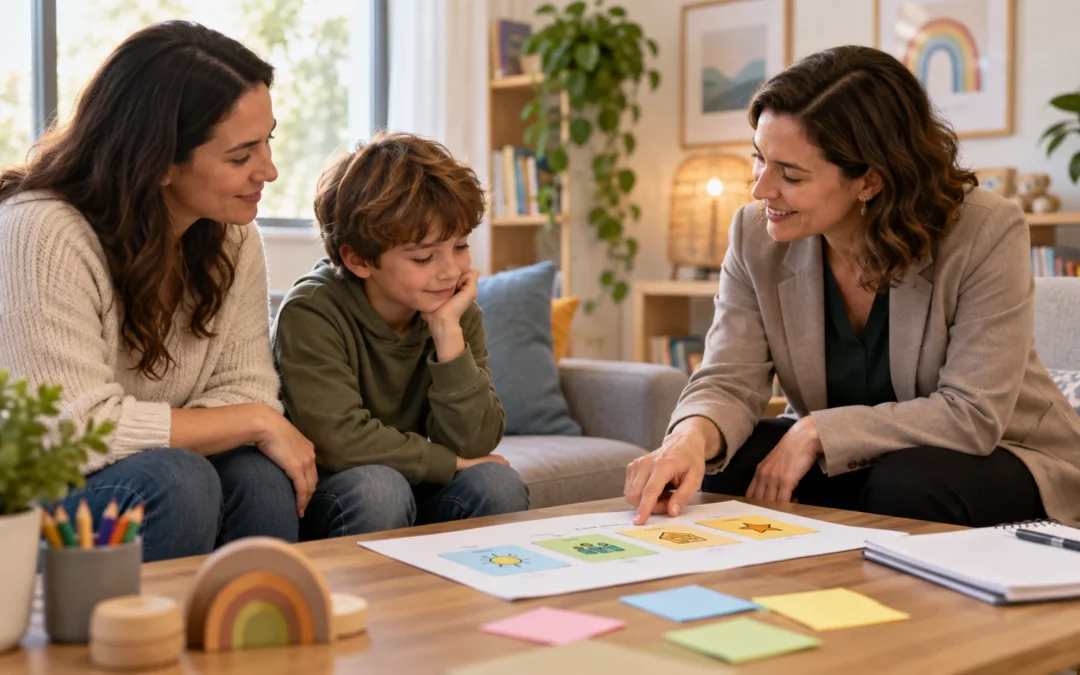
Autism interventions and support: what has evidence and how to spot pseudoscience
There is no single therapy for autism. This guide explains how to assess interventions, which supports have evidence for specific goals, and which warning signs should make families question a treatment claim.
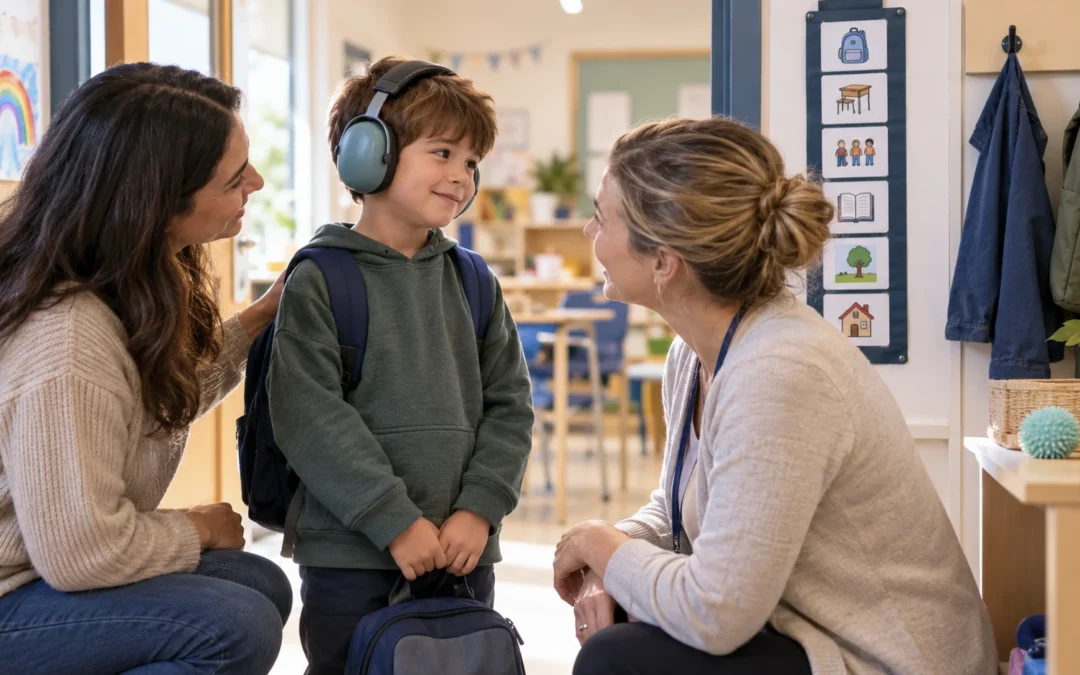
Sensory differences in autism: noise, clothing, food and overload
Sounds, fabrics, lights, smells and food textures can be experienced very differently by autistic children and teenagers. This guide explains hyper- and hypo-reactivity, sensory overload and practical ways to make home, school and everyday life more accessible.

Signs of autism in children aged 5 to 12: what to notice without jumping to conclusions
Between the ages of 5 and 12, some autistic characteristics become easier to notice as social, academic and independence demands increase. This guide explains patterns worth observing, other possible explanations and what families can record before seeking an assessment.
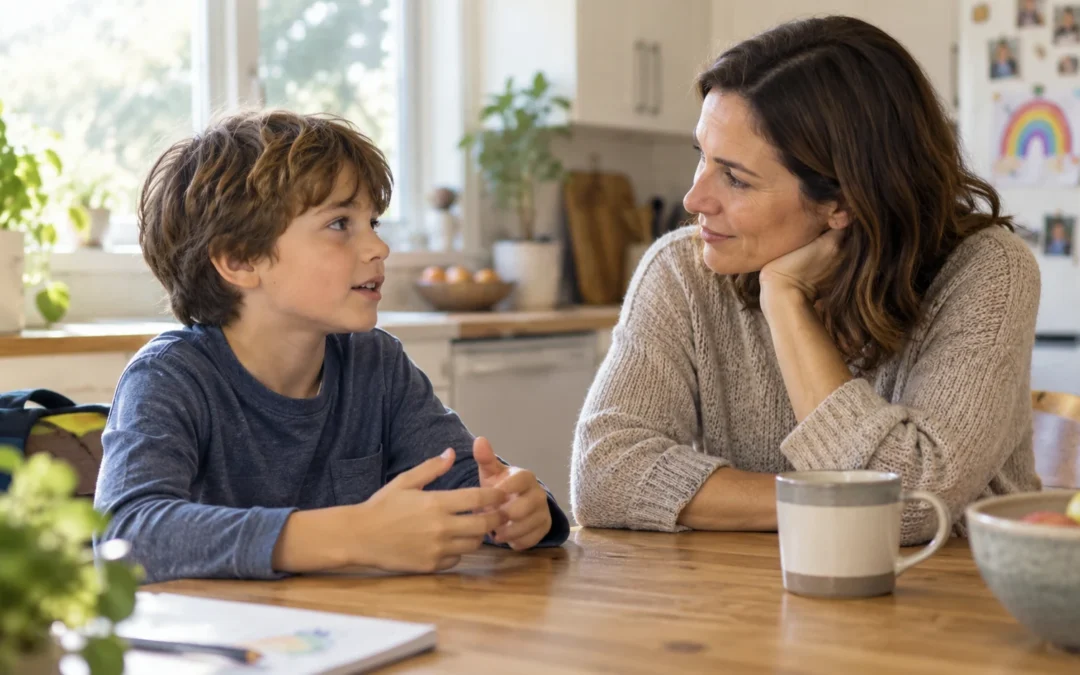
Social communication in autism: when a child speaks well but still struggles
A child can have an excellent vocabulary and still find it difficult to join a group conversation, understand implied meanings, adapt what they say to the situation or notice when someone wants to change topic. This guide explains social communication in autism with practical examples, supportive strategies and exercises.
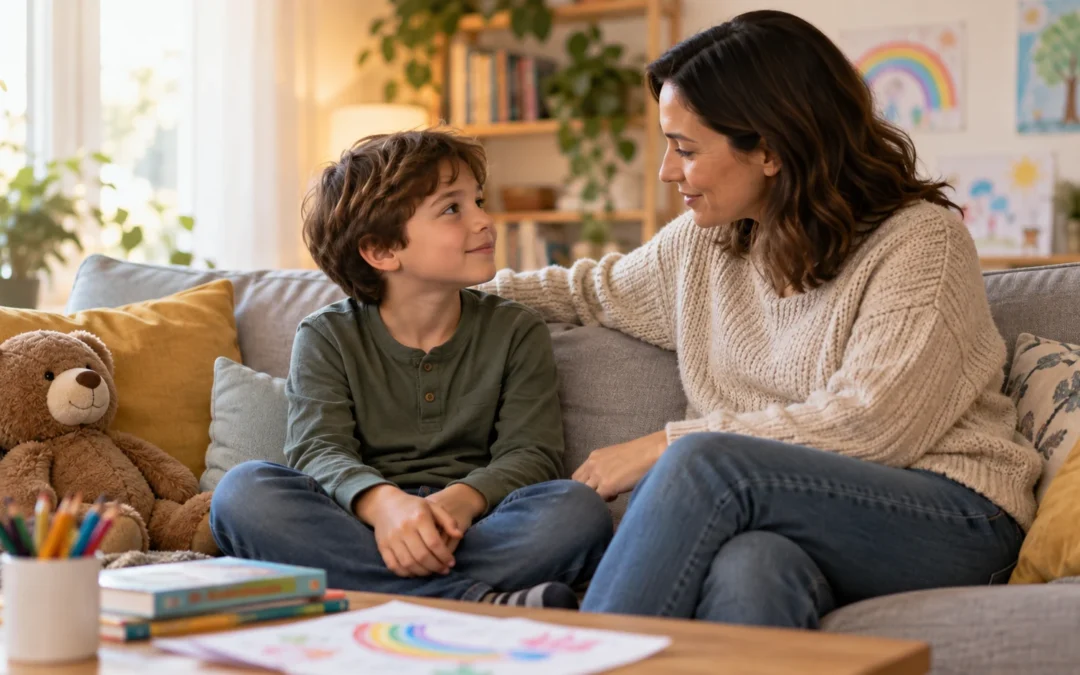
How to explain autism to a child after diagnosis
Explaining an autism diagnosis to a child does not need to be a secretive or highly technical conversation. This guide helps families talk about autism clearly and respectfully, using everyday examples while making room for questions and emotions.
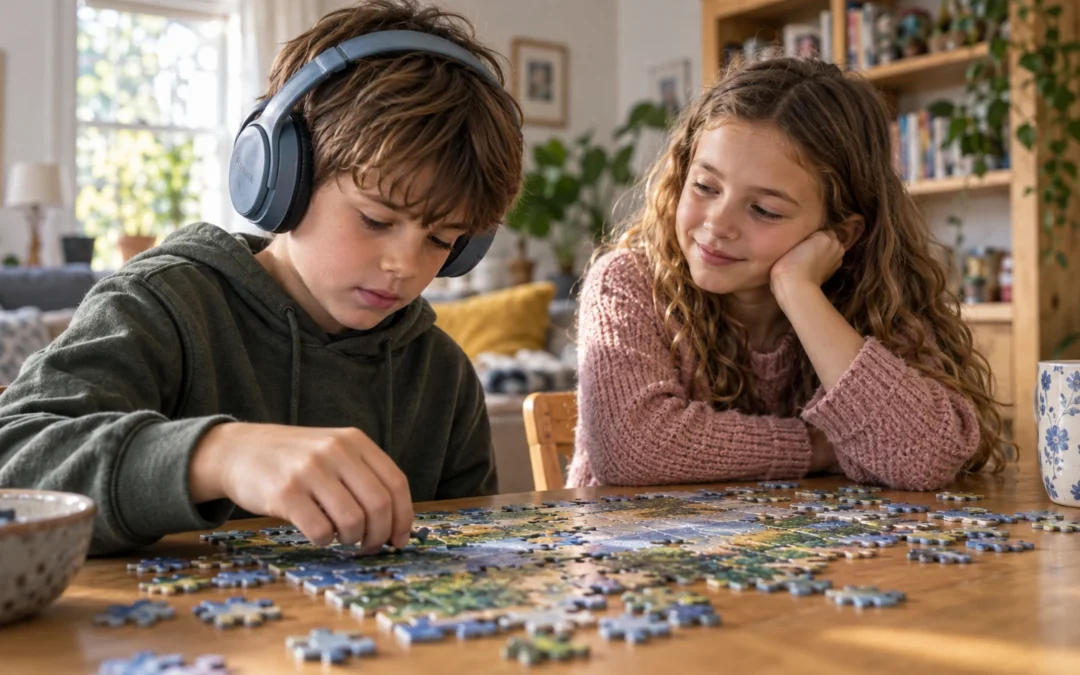
Autism and ADHD in children: differences, similarities and why they can co-occur
Autism and ADHD can look similar in attention, executive functioning, friendships and emotional regulation, and they can also co-occur. This guide explains what may help distinguish them, what cannot diagnose either condition, and how families can observe useful patterns without turning a child into a list of symptoms.
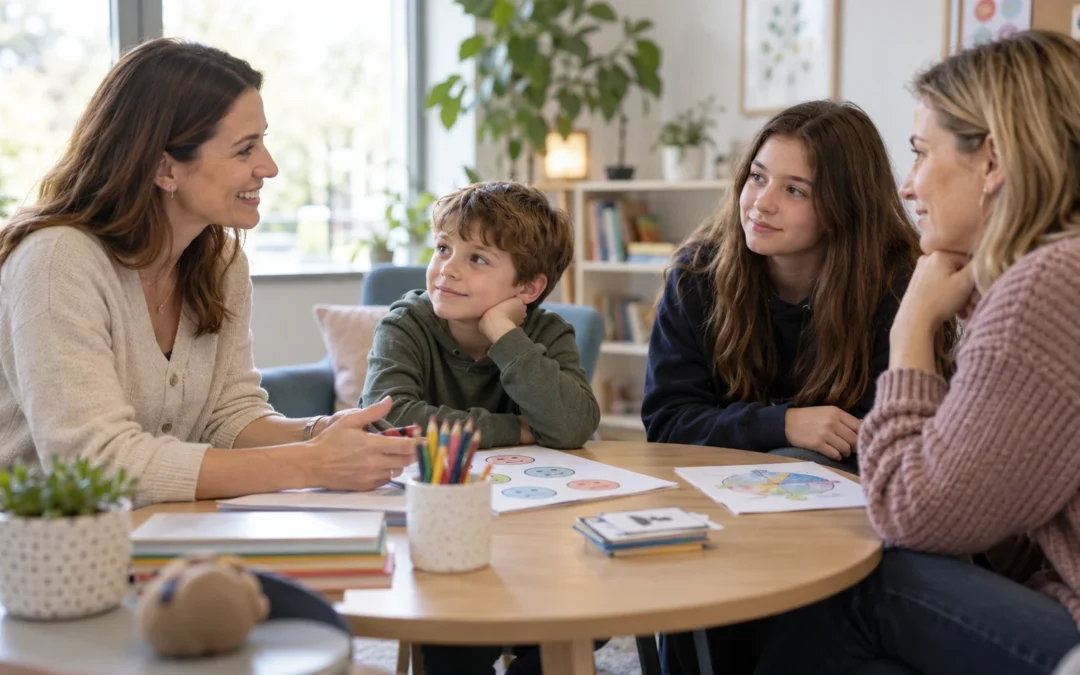
Autism in children and teenagers: a guide to understanding, supporting and knowing when to seek help
Autism can present in very different ways throughout childhood and adolescence. This guide helps families understand what to notice, what may overlap with autism, how to support a child or teenager, and when a professional assessment may be helpful.
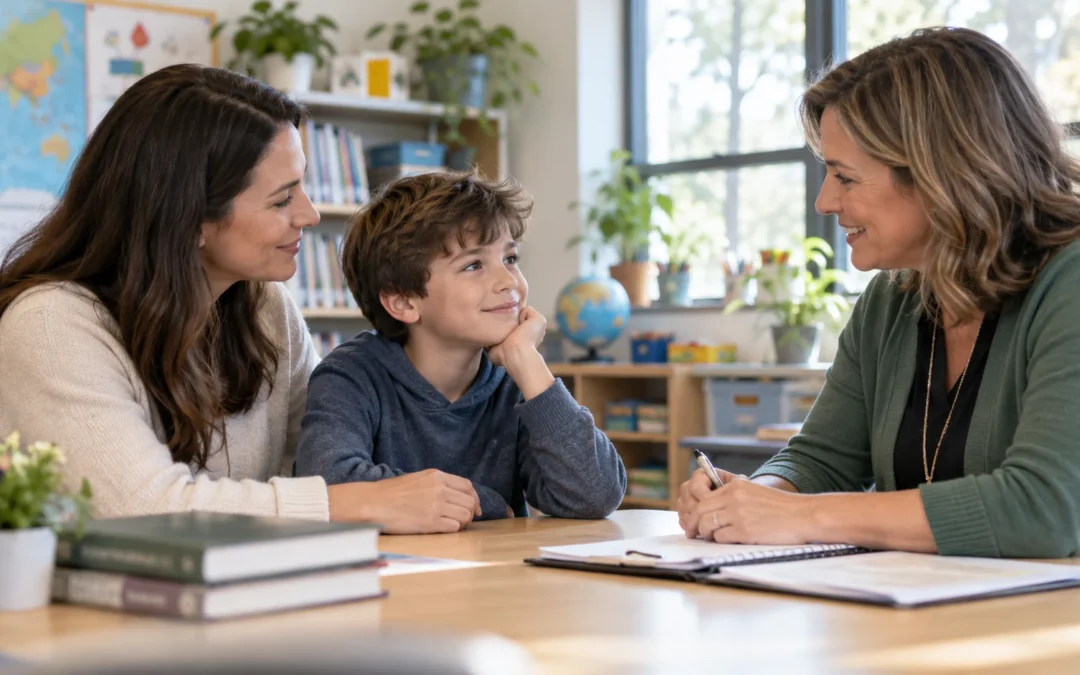
Autism at school: needs, support and home-school coordination
School can demand far more from an autistic pupil than it appears to. This guide explains what to look for, which supports may help in class, during break times and transitions, and how families and schools can work together.

Autism in teenagers: changes, needs and signs worth understanding
The teenage years bring greater social, academic and independence demands. This guide explains why autistic differences may become more noticeable, what families can observe without turning everyday life into a diagnostic checklist, and what can help at home, at school and in an assessment.

Anxiety and autism in children and teenagers: how they are linked and what can help
Anxiety can co-occur with autism and may not always look like spoken worry. This guide explains patterns to notice, how to support without forcing, and when to seek professional help.
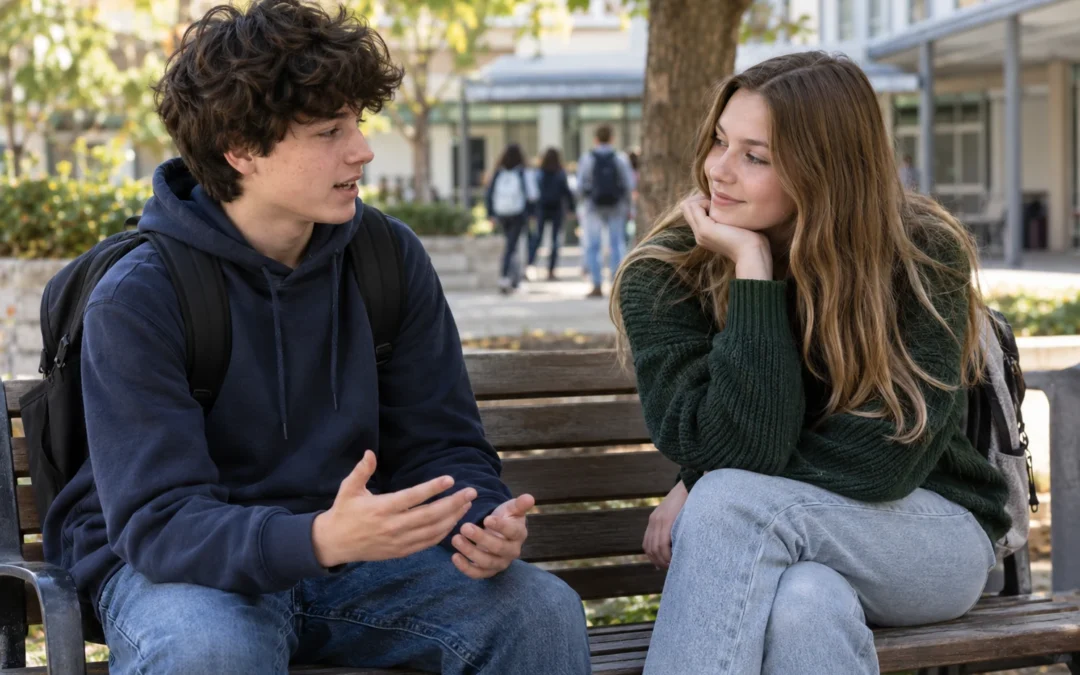
Friendships and autism in teenagers: belonging, conflict and loneliness
Friendship changes during adolescence. For some autistic teenagers, groups, unspoken rules, misunderstandings or the effort of fitting in can add a substantial load. This guide explores what may be happening and how to support a young person without forcing a particular way of socialising.
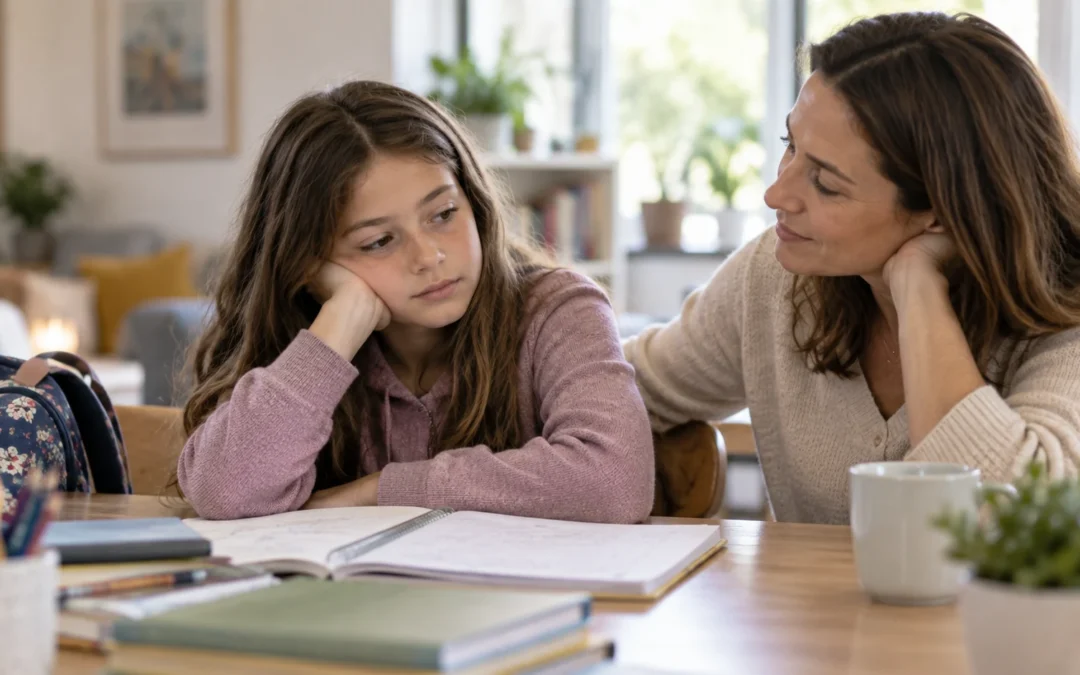
Autism in girls: signs that can go unnoticed
Some autistic girls appear to cope well at school, have friends and achieve good grades, yet maintaining that adaptation can take enormous effort. This guide explains signs that may be missed, how to observe without turning every trait into a symptom, and what can help at home, at school and during a professional assessment.

How to prepare children for going back to school: a psychological guide for families
Going back to school can bring excitement, nerves, disrupted sleep, separation worries or even tummy aches. María de los Ángeles Sanz Ruiz explains how parents can rebuild routines, understand what children may be afraid of and support them without dismissing their feelings or reinforcing avoidance.

How do you know if you have a healthy relationship?
María Ángeles Sanz explains how to recognise a healthy relationship, tell ordinary conflict from harmful patterns and know when professional support may help.
Looking for a different topic?
More psychology resources from Ocnos
The Ocnos blog includes resources from our team on anxiety, depression, relationships, neuropsychology, sex therapy and emotional wellbeing. If you would like guidance for your particular circumstances, you can contact the clinic.