

Sex therapy for couples in Palmones, near Algeciras, Sotogrande and Gibraltar
When sexuality becomes filled with pressure, silence, avoidance or fear of hurting the other person, the couple may start to experience intimacy as a problem rather than as a place of connection.
At Ocnos Psychology Clinic, we offer sex therapy for couples from a psychological, confidential and non-blaming approach. We work with couples from Palmones, Los Barrios, Algeciras, La Línea, San Roque, Sotogrande, Gibraltar and other areas of Campo de Gibraltar.
When intimacy starts to feel tense
Many couples do not come to therapy because love has disappeared. They come because talking about sexuality has become difficult, because one person feels rejected, because the other feels pressured, or because both have learnt to avoid the topic in order not to argue.
Sometimes there is a specific difficulty, such as low sexual desire, pain during penetration, premature ejaculation, erectile difficulties or difficulty reaching orgasm. At other times, there is not one single symptom, but a mixture of distance, routine, shame, tiredness and silence.
The aim is not to force desire or recover an imposed idea of “normal”. The aim is to understand what is happening, reduce pressure and build a safer, more honest and more respectful intimacy for both partners.

Sex therapy for couples is not the same as general couples therapy
The two can be connected, but they do not focus on exactly the same thing. This page is centred on the couple’s shared sexual life: desire, pleasure, pressure, pain, avoidance, intimate communication and sexual difficulties that affect the bond.
General couples therapy
This usually focuses on conflict, living together, everyday communication, jealousy, agreements, crises, break-ups, decision-making or repairing the relationship.
Sex therapy for couples
This focuses on how the couple experiences intimacy, desire, frequency, pleasure, boundaries, pressure, sexual difficulties or the fear of talking about sex.
The problem is rarely “just sex”
In therapy, we often see that a couple’s sexuality is connected with many layers: personal history, sexual education, tiredness, self-esteem, desire, fear of rejection, previous experiences, health, medication, pain, stress and the way the couple communicates.
For that reason, instead of reducing everything to “having sex more often” or “performing better”, we work with a broader map. We want to understand what happens before, during and after intimacy, what each person interprets, and how both partners protect themselves when discomfort appears.

Situations that often bring a couple to sex therapy
You do not need to wait until the relationship is at breaking point. Seeking support can be useful when sexuality has become difficult to talk about, even when there is still affection, commitment or a wish to improve things.
Different rhythms of desire
One person feels they always initiate, while the other feels they are always under pressure. Both can end up feeling alone.
Silence or avoidance
The topic is avoided to prevent arguments, but distance grows and each attempt to get close may be interpreted with fear or defensiveness.
Specific sexual difficulties
Pain, sexual anxiety, premature ejaculation, erectile difficulties, anorgasmia or difficulty ejaculating can affect both partners.
Sex experienced as an obligation
When intimacy stops feeling free and becomes associated with guilt, debt, performance or fear of disappointing the other person.
Distance after a life stage
Stress, parenting, grief, health difficulties, routine or body changes can alter the way a couple desires and approaches each other.
A need to talk carefully
Therapy offers a framework to say important things without attacking, defending yourself or turning sexuality into an argument.

When one person wants more and the other wants less
Differences in desire are one of the most common reasons couples seek sex therapy. One person may feel rejected, abandoned or insecure. The other may feel pressured, guilty or exhausted. If this pattern repeats, both partners may start protecting themselves: one initiates less, the other pulls away more, and intimacy becomes stuck.
Therapy is not about convincing one partner or imposing a frequency. It is about understanding what desire means to each person, what switches it off, what helps it, and which forms of contact can be rebuilt without pressure.
Important: a healthy sexual relationship needs consent, respect and freedom. Therapy does not aim to make anyone do something they do not want to do; it helps the couple understand each other and find safe forms of intimacy.
Talking about sex without guilt, reproach or shame
Many couples can talk about work, family or plans, but not about desire, boundaries, pleasure, fantasies, pain, frequency or frustration. This is not always due to a lack of trust. Sometimes there is fear of hurting the other person, fear of rejection, or a sexual education that taught people to stay silent rather than ask.
In therapy, we help transform conversations that often sound like reproach into clearer and more careful conversations. It is not about saying everything at once, but about learning to talk about intimacy without turning it into a test for the relationship.
- How to express desire without pressuring.
- How to say no without feeling guilty.
- How to talk about pain, blockage or frustration.
- How to ask for changes without attacking the other person.
- How to recover non-demanding affectionate contact.

A process focused on safety, dialogue and realistic steps
Every couple has a different story. That is why the work does not begin with standard exercises, but with a careful understanding of what is happening and how each person is experiencing it.
Joint assessment
We explore the reason for seeking therapy, the history of the difficulty, its impact on the relationship and each person’s goals.
Mapping the pattern
We identify how pressure, avoidance, silence, guilt or fear of rejection are activated.
Safe communication
We work on ways to talk about desire, boundaries, pain, frustration and needs without reproach.
Gradual steps
When appropriate, we suggest ways to rebuild intimacy and contact without pressure or demands.
What we do and do not do in sex therapy for couples
We know that seeking help for sexuality can feel embarrassing. That is why it is important to explain clearly how the work is carried out and what the limits of the psychological consultation are.

What we do
- Psychological assessment of the sexual and relational difficulty.
- Psychoeducation about desire, arousal, anxiety, pain, boundaries and communication.
- Work on pressure, guilt, avoidance, fear of rejection and self-demand.
- Home-based guidelines when clinically appropriate and both partners agree.
- Coordination with medicine, urology, gynaecology or physiotherapy when appropriate.
What we do not do
- No sexual practices take place in consultation.
- We do not carry out physical examinations or medical interventions.
- No one is pressured to have sexual relations.
- We do not blame one member of the couple.
- We do not promise magical changes or identical solutions for every couple.
Sex therapy session for couples
€110 · 90 minThe extended duration allows both people to have enough space to explain how they experience the problem, without the session becoming a rushed conversation.
Can there be individual sessions?
In some processes, a one-off individual session may be recommended if it helps to understand one partner’s personal history or blockage more clearly. The individual session is €70 and lasts approximately 60 minutes.
In-person or online?
We can work in person in Palmones and, when clinically appropriate, also online. In both formats, privacy and confidentiality are carefully protected.

Reconnection does not always begin with sex
Sometimes the couple first needs to recover safety: being able to approach each other without everything being interpreted as a demand, being able to say no without fear, being able to ask for something without shame, and being able to talk about what hurts without turning it into blame.
From there, intimacy can begin to open up again in a more natural way. Not always as it was before, but in a more conscious, respectful way that fits the couple’s current stage.
A couple’s sexuality is not reduced to frequency. It also includes care, desire, communication, playfulness, tenderness, boundaries, trust and the ability to talk about what is not working.
Sexual difficulties that may be worked on within the couple process
Sex therapy for couples may be the main framework when the difficulty affects both partners. In other cases, it may be useful to combine it with more specific work on the symptom or with health assessment when appropriate.
A private space to talk calmly about intimacy
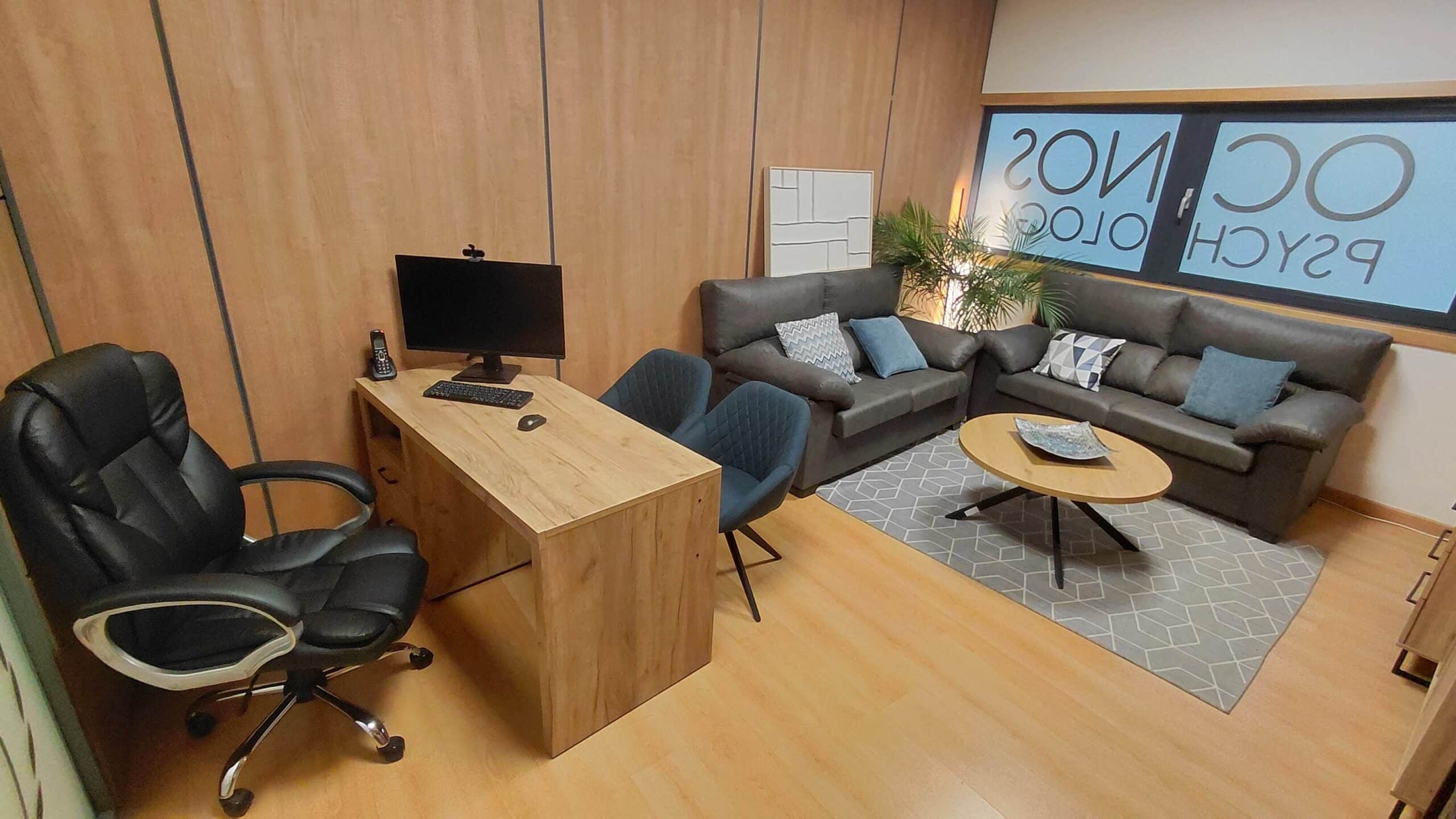
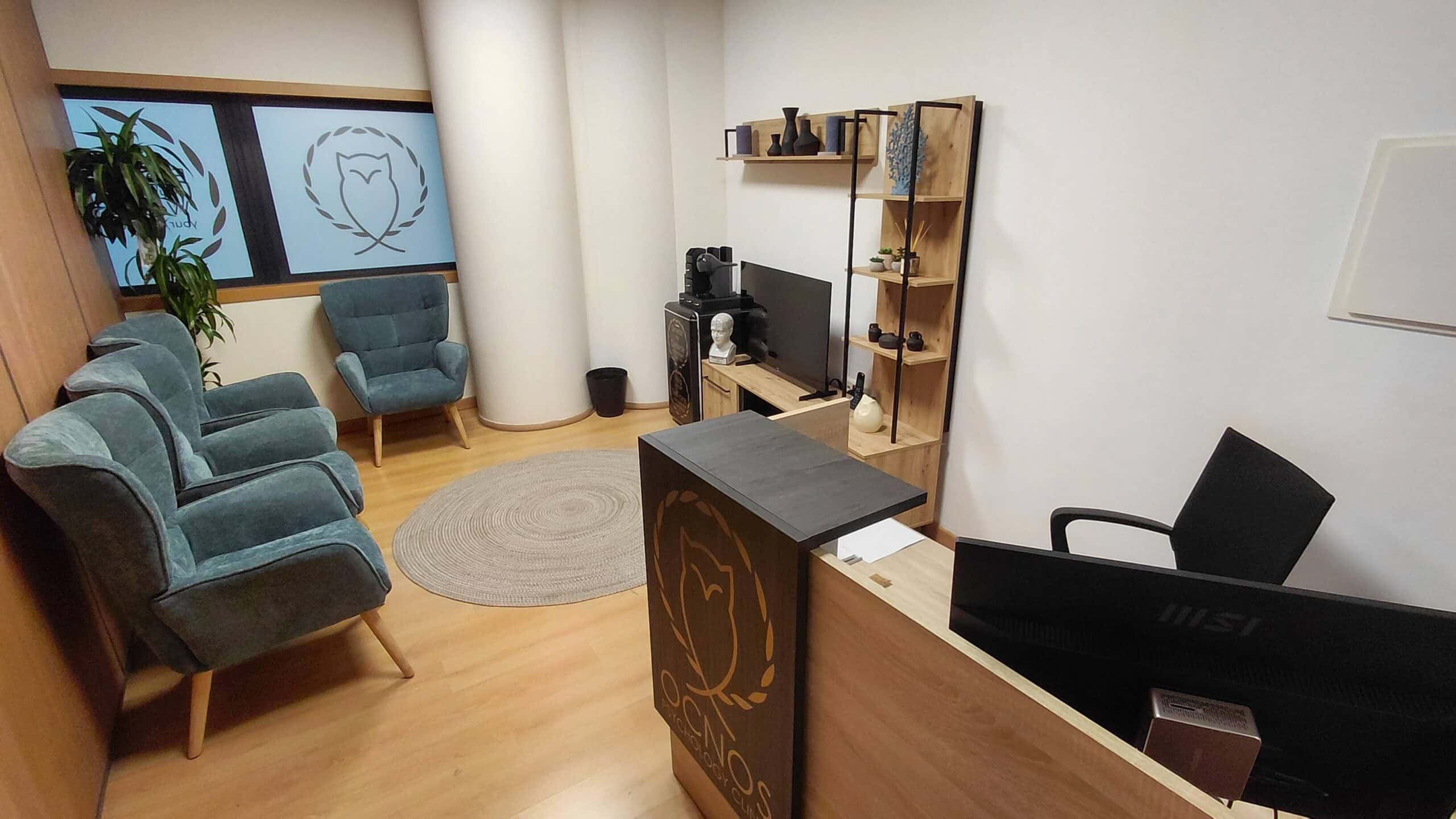
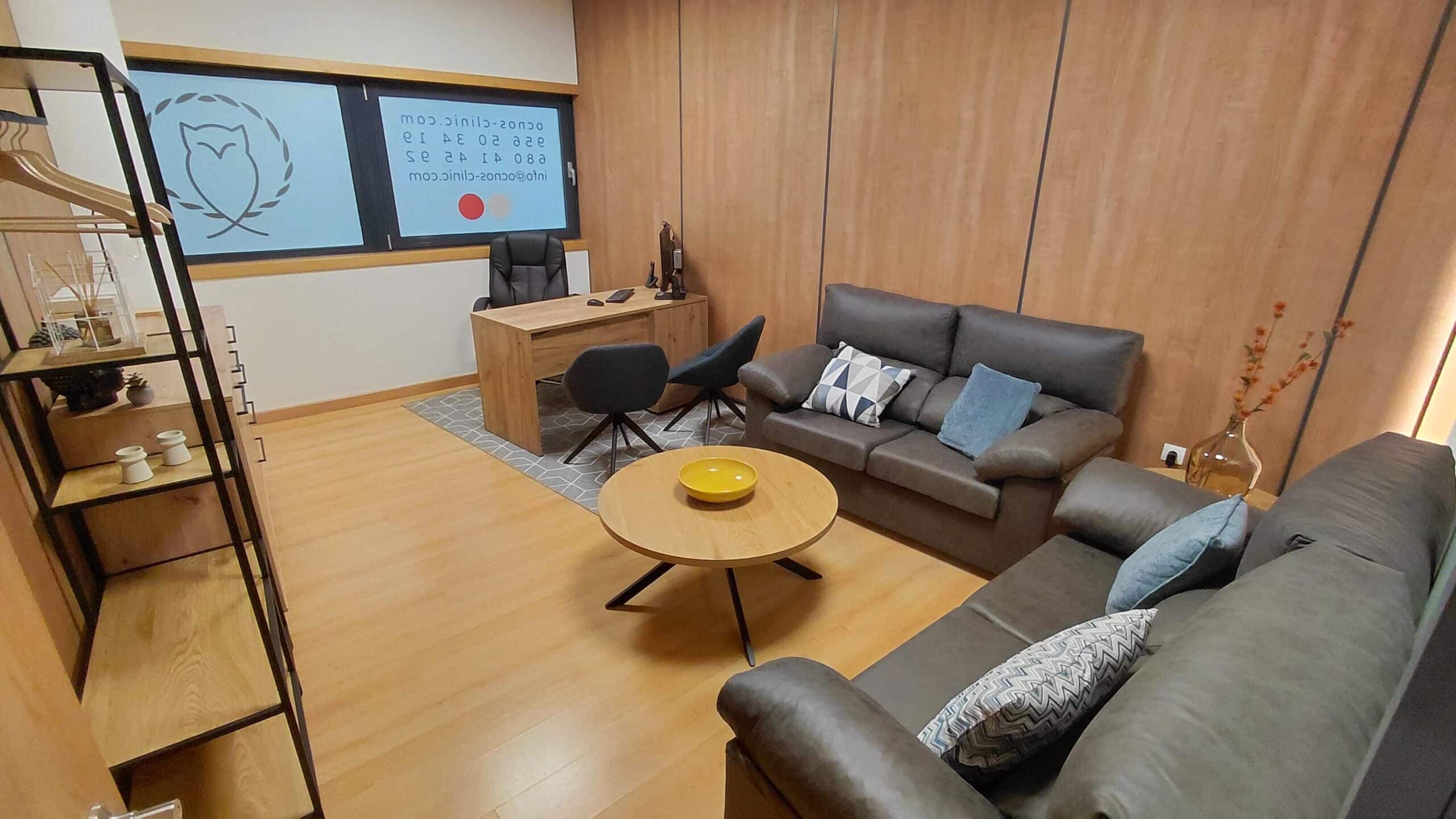
Ocnos Psychology Clinic is located in Palmones, in a discreet and accessible setting for people from Algeciras, Los Barrios, La Línea, San Roque, Sotogrande and Gibraltar. We make sure the consultation is comfortable, professional and respectful.
Our team
At Ocnos Psychology Clinic, you will be seen by a team of registered healthcare psychologists. The process is carried out with confidentiality, respect and a clinical perspective adapted to each couple.

Héctor Lozano Jiménez
General Health Psychologist · Director · COPAO AN 11777.
View profile
Rocío Rodríguez Boza
General Health Psychologist · COPAO AN 13748.
View profile
María Ángeles Sanz Ruiz
General Health Psychologist · COPAO AN 12933.
View profileReviews of Ocnos Psychology Clinic
We know that talking about sexuality as a couple can feel embarrassing. Other people’s experiences can help you understand our way of working: warm, professional, confidential and without judgement.


Frequently asked questions about sex therapy for couples
Is sex therapy for couples the same as couples therapy?
Not exactly. Couples therapy may work on general conflicts, communication, living together, jealousy, agreements or relationship crises. Sex therapy for couples focuses specifically on intimacy, desire, sexual communication, pressure, avoidance, pain, different rhythms or sexual difficulties that affect the bond.
Do both of us need to attend the first session?
Ideally, both partners attend if the difficulty affects the relationship. However, sometimes one person may begin with individual guidance if they need to organise what is happening, understand their discomfort or think about how to raise it with their partner carefully.
What happens if one of us has more desire than the other?
Different rhythms of desire are common. Therapy does not aim to force anyone or convince one partner. It helps the couple understand what each person needs, how the difference is being experienced, and which forms of intimacy, communication and care can be rebuilt without pressure or guilt.
Does sex therapy for couples include sexual practices in consultation?
No. There are no sexual practices, physical examinations or explicit situations in consultation. The work is based on clinical conversation, psychological assessment, psychoeducation, communication, guidelines and exercises that, when appropriate, are suggested to be carried out outside the session, always respectfully and consensually.
Can it help if there is pain, vaginismus or fear of penetration?
It can help when pain or fear is affecting the couple’s communication, safety and intimacy. However, if there is pain during penetration, physical changes, gynaecological or urinary symptoms, or medical concerns, we recommend medical, gynaecological or pelvic floor physiotherapy assessment when necessary.
What if there is premature ejaculation, erectile difficulty or difficulty reaching orgasm?
Sex therapy for couples can be useful when a specific sexual difficulty is creating pressure, avoidance, silence or distance. In some cases, the couple work is combined with individual goals, depending on the origin of the problem and how each partner is experiencing it.
Can therapy help if we have not had sex for a long time?
Yes, provided there is willingness to explore what has happened without blaming. Sometimes the issue is not only the absence of sex, but fear of initiating, accumulated silence, frustration, routine, tiredness, unresolved conflicts or the feeling that any approach is interpreted as a demand.
How much does sex therapy for couples cost?
A sex therapy session for couples lasts approximately 90 minutes and costs €110. When an individual guidance session is recommended within the process, the individual session lasts approximately 60 minutes and costs €70.
Do you work with LGBTQIA+ couples?
Yes. At Ocnos Psychology Clinic, we work from a respectful, inclusive and non-pathologising perspective. Therapy is adapted to each couple’s reality, history, agreements, way of bonding and specific difficulties.
Ocnos Psychology Clinic in Palmones
Our clinic is located in Edificio Azabache, First Floor, Office 10, in Palmones. We work with couples from Los Barrios, Algeciras, La Línea de la Concepción, San Roque, Sotogrande, Gibraltar and other areas of Campo de Gibraltar.
Talking about intimacy can also be a way of caring for the relationship
If sexuality has become a source of pressure, distance or silence, we can help you understand what is happening and work on it through a respectful psychological approach adapted to your relationship.
Latest blogs and resources about sex therapy
In addition to therapy, Ocnos Psychology Clinic publishes articles about sexuality, couples, desire, sexual anxiety, intimate communication and psychological wellbeing to offer clear, responsible and useful information.

Hobosexuality: what it is and how housing shapes relationships
When rent stretches the budget, sharing a home can mean love, savings or necessity. Héctor Lozano explores hobosexuality and practical living arrangements with gentle humour and without easy labels.
Opening a relationship to rekindle desire: what to consider first
Opening a relationship may add novelty, but it is not an automatic treatment for low desire. This guide explores causes, motives, risks, agreements and alternatives before deciding.
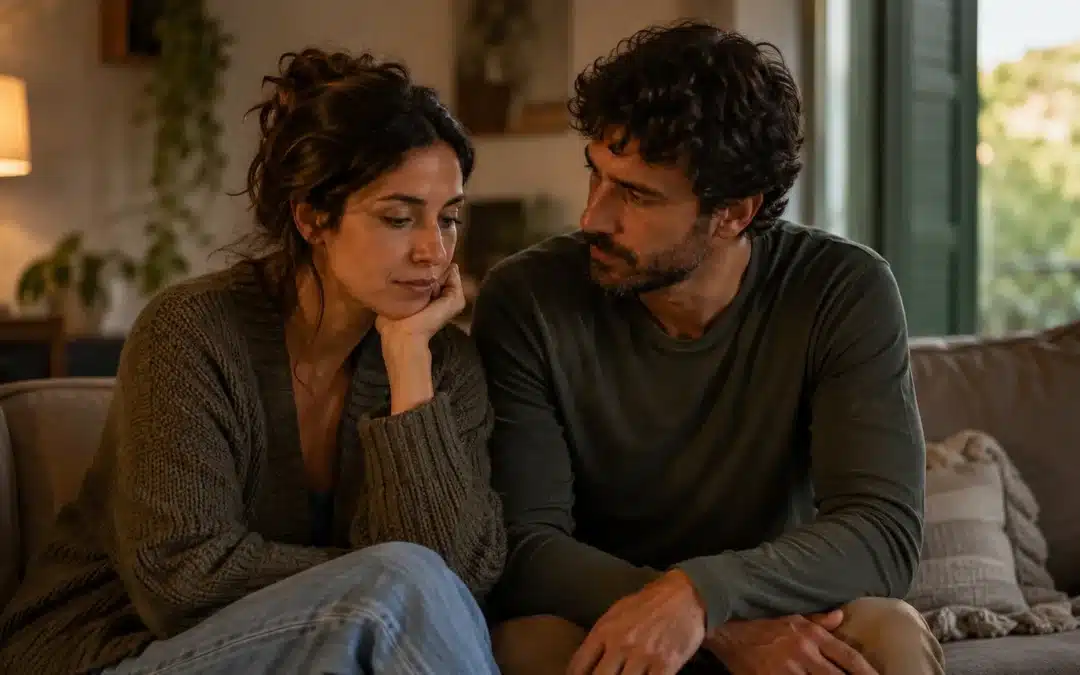
We opened our relationship and now I regret it: what should we do?
A guide for when one partner regrets opening: immediate safety, understanding regret, responsibility towards others, repair and realistic options.

Jealousy in an open relationship: understanding it without turning to control
Learn to understand and manage jealousy in an open relationship without denying the emotion or turning it into surveillance, control or impossible rules.
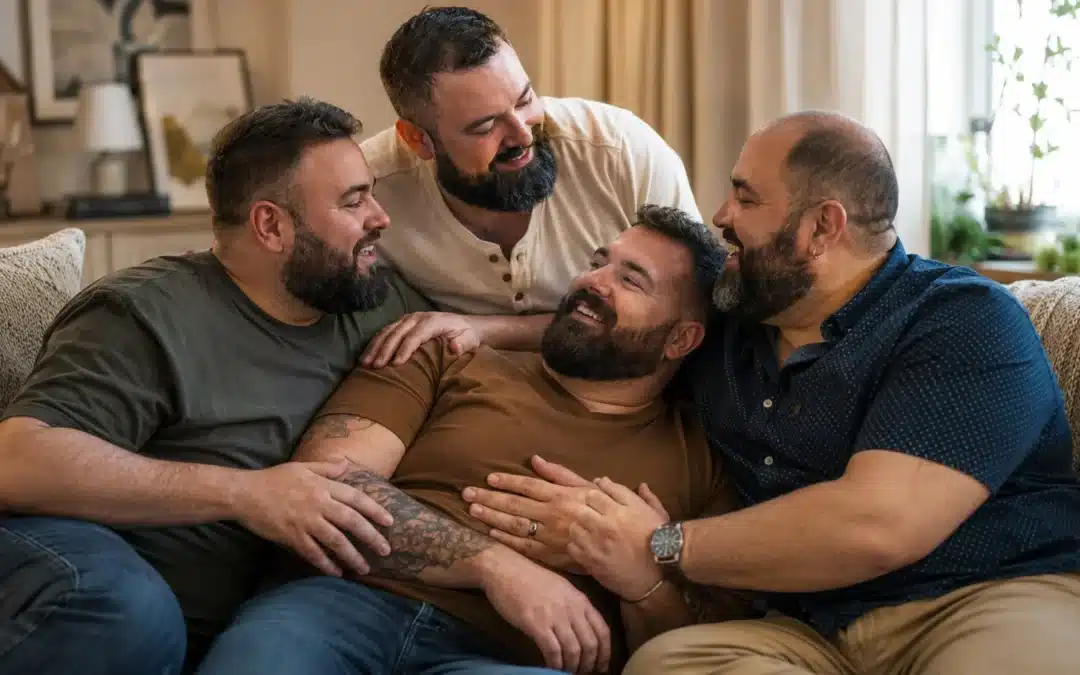
Quad relationships: what they are, how they work and the agreements they need
An inclusive, evidence-informed guide to four-person relationships, with practical ways to manage time, prevent alliances of power and build clear, respectful agreements.
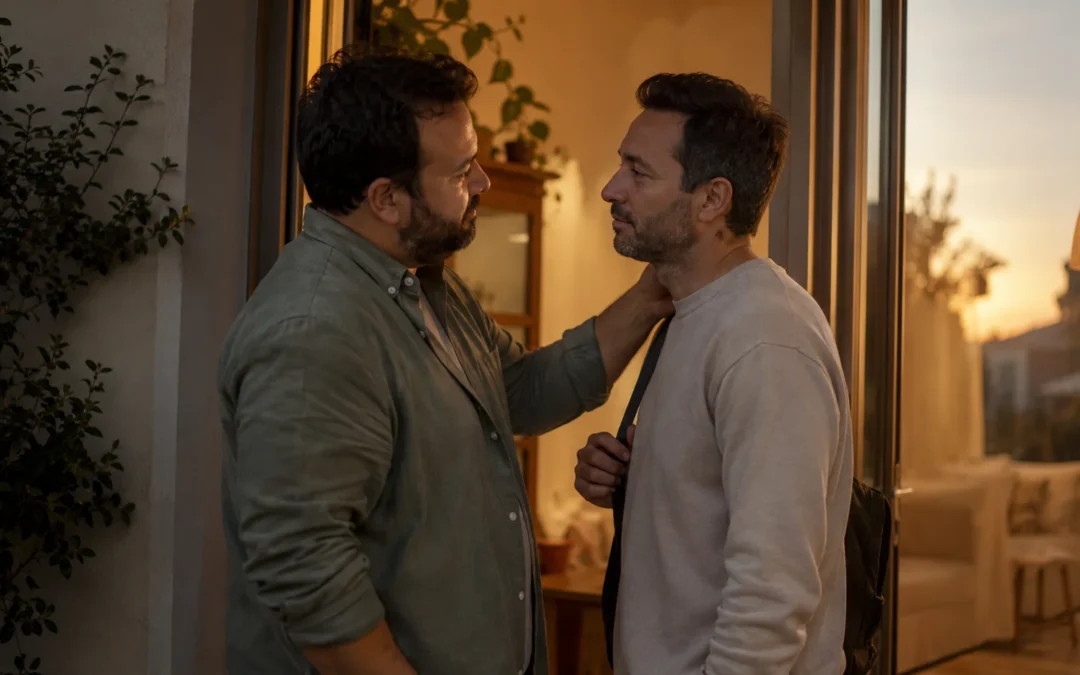
My partner wants an open relationship and I don’t: talking without pressure
A guide to facing a request for openness without confusing listening with consent: first reactions, boundaries, conversation, pressure warning signs and incompatibility.

Consensual non-monogamy: meaning, types, agreements and how to know if it suits you
A practical psychology-based guide to consensual non-monogamy: how it differs from infidelity, which models it includes, and how to discuss agreements, jealousy, care and boundaries without idealising any relationship structure.
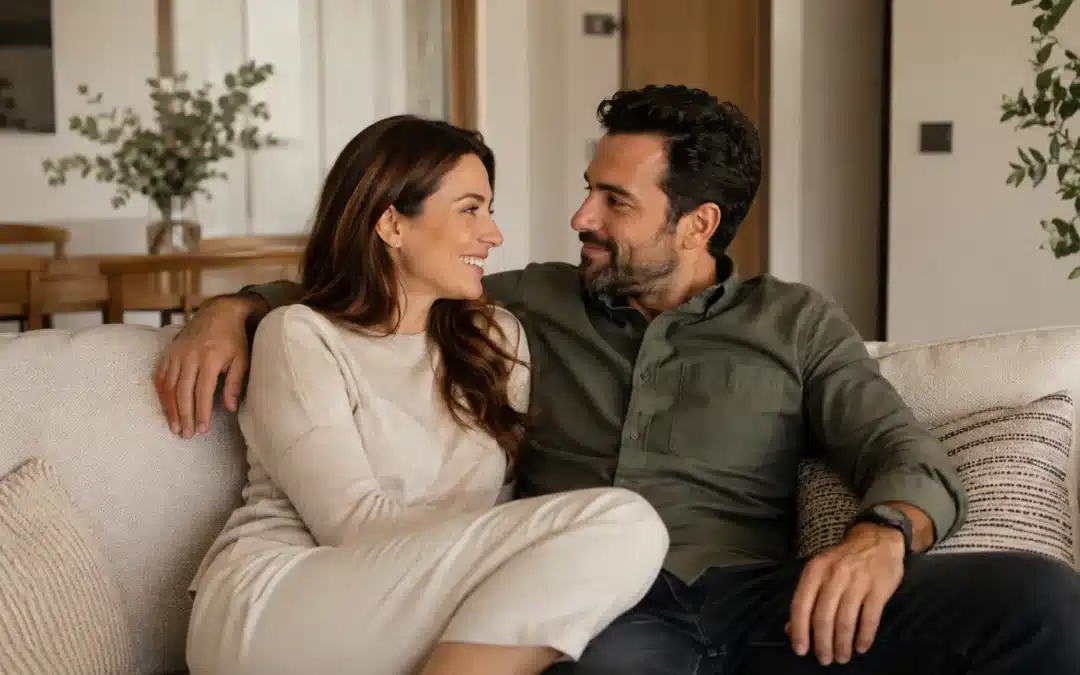
Monogamous relationship: what exclusivity means and how to build healthy agreements
A monogamous relationship involves an agreement about exclusivity, but couples do not always mean the same thing by it. This guide explores fidelity, boundaries, attraction, desire, jealousy, digital behaviour and how agreements can change.

Open relationship: what it means, how it works and which agreements matter
A practical psychology-based guide to open relationships: motivations, consent, agreements, jealousy, sexual health and how to decide without idealising or condemning this relationship model.