

Sex therapy in Palmones, near Algeciras, Sotogrande and Gibraltar
Sexuality can be affected by anxiety, pain, low desire, erection difficulties, ejaculation problems, pressure, guilt or distance in a relationship. At Ocnos Psychology Clinic, we offer sex therapy from a psychological, healthcare-based, confidential and non-judgemental approach.
We support adults and adult couples from Palmones, Los Barrios, Algeciras, La Línea, San Roque, Sotogrande, Gibraltar and other parts of Campo de Gibraltar, in a space where talking about sexuality does not involve judgement, shame or pressure to perform.
A clinical space to talk about sexuality calmly and without judgement
Sex therapy is a psychological process that helps people understand and work through difficulties related to desire, arousal, orgasm, ejaculation, pain, intimacy or sexual communication.
Many people come to therapy after trying to hide the problem, explain it away as “just a phase”, or solve it through control. However, when sexuality starts to be experienced with fear, pressure, guilt or distance, asking for help can relieve a great deal of suffering.
At Ocnos, we work from an integrative clinical perspective. We do not reduce sexuality to a technique or an isolated symptom. We take into account personal history, couple dynamics, anxiety, mood, communication, the body, health and the person’s life context.

Sex therapy according to what you are experiencing
This main sex therapy page brings together Ocnos’ specific services. Each difficulty has different nuances, so we have created dedicated pages to explain what may be happening and how therapy can help.

Premature ejaculation
For anxiety, a sense of low control, fear of failure, avoidance or tension in the relationship.
View service →
Psychological erectile dysfunction
When erections are affected by anxiety, pressure, self-monitoring, self-esteem or previous experiences.
View service →
Sexual anxiety
To understand the cycle of anticipation, body monitoring, pressure, blockage and avoidance.
View service →
Low sexual desire
To understand reduced desire, pressure, guilt, emotional distance, tiredness or disconnection.
View service →
Vaginismus and painful penetration
For fear of pain, body tension, avoidance, anxiety and intimacy, using a gradual and respectful approach.
View service →
Anorgasmia and difficulty reaching orgasm
When pressure to reach orgasm, body disconnection or self-demand blocks pleasure.
View service →
Delayed ejaculation
For difficulty ejaculating, pressure to “get there”, blockage, frustration or body disconnection.
View service →
Sex therapy for couples
For desire, intimacy, sexual communication, different rhythms, pressure, avoidance or shared difficulties.
View service →Not every sexual difficulty has the same origin
A sexual difficulty may be mainly psychological, mainly physical, relational, medication-related or mixed. Good sex therapy does not start with a ready-made answer; it starts by understanding the pattern.
Sometimes the symptom is the visible part
Premature ejaculation, delayed ejaculation, erectile difficulties, pain or difficulty reaching orgasm are often the most visible signs. However, behind them there may be anxiety, fear, self-monitoring, shame, previous experiences, relationship tension or medical factors.
Sometimes the main issue is the context
Low desire, avoidance or distance in a couple may not be caused by a single sexual “problem”. They can be connected to stress, tiredness, communication, emotional disconnection, pressure, life changes or the way sexuality has become associated with obligation.
What we may explore in sex therapy
The aim is not to judge your sexual life or impose a model of what it “should” be. The aim is to understand what is happening and create a realistic, respectful and useful plan.
Desire and motivation
Whether desire has changed, disappeared, become pressured or feels disconnected from emotional closeness.
Anxiety and self-monitoring
Fear of failure, anticipatory anxiety, over-control of the body or constant checking during intimacy.
Body response
Erection, ejaculation, arousal, orgasm, pain, tension or the feeling that the body “does not respond”.
Relationship and communication
How the difficulty is spoken about, avoided, blamed, silenced or carried by one or both partners.
Health and context
Stress, mood, medication, hormonal changes, pain, physical health, pelvic floor factors or medical concerns.

Sex therapy and couples therapy are connected, but not identical
General couples therapy often focuses on conflict, communication, agreements, trust, family dynamics or the future of the relationship. Sex therapy focuses more specifically on intimacy, desire, sexual communication, pain, pleasure, arousal and sexual function.
Sometimes both areas overlap. For example, a couple may love each other but avoid intimacy because sex has become associated with pressure, fear of hurting the other person, disappointment or silence. In those cases, therapy helps the couple speak about sexuality without turning the session into blame.
If the main difficulty is sexual or intimate, this page is usually the best starting point. If the main difficulty is broader relationship conflict, our couples therapy service may be more suitable.
Different formats depending on what you need
Sex therapy can be individual, as a couple, or sometimes begin individually and later include the partner if it is clinically useful and both people agree.
Individual session
€70 · 60 minFor anxiety, shame, body disconnection, low desire, fear of failure, difficulty reaching orgasm, erection or ejaculation concerns, or uncertainty about what is happening.
Couples session
€110 · 90 minFor shared difficulties around desire, intimacy, pain, frequency, communication, pressure, avoidance or different sexual rhythms.
What we do — and what we do not do — in sex therapy
Because sexuality is such a private area, it is normal to wonder what a session will be like. We work with clarity, respect and boundaries from the beginning.
What we do
- We listen to your concern without judgement or pressure.
- We explore psychological, relational and contextual factors.
- We help you understand the cycle that may be maintaining the difficulty.
- We work on anxiety, shame, avoidance, communication and body safety.
- We may suggest agreed exercises or guidelines to use outside the session.
- We recommend medical or specialist assessment when signs suggest it is needed.
What we do not do
- We do not carry out physical examinations.
- We do not ask you to perform sexual practices in the consultation room.
- We do not force any person or couple to discuss details before they are ready.
- We do not blame one partner for the difficulty.
- We do not promise quick fixes or universal techniques.
- We do not replace medical, gynaecological, urological or pelvic floor assessment when it is necessary.
Responsible healthcare information
Sexual difficulties can have psychological, relational, physical, medication-related or mixed causes. If there is pain, sudden change, urinary symptoms, important erection difficulties, bleeding, menopause-related symptoms, medication changes, diabetes, surgery, neurological symptoms or any medical concern, it is important to seek medical advice. Psychological therapy can be very helpful when anxiety, fear, avoidance, shame or relationship impact are present, but it does not replace medical assessment when this is needed.
A discreet and calm space in Palmones
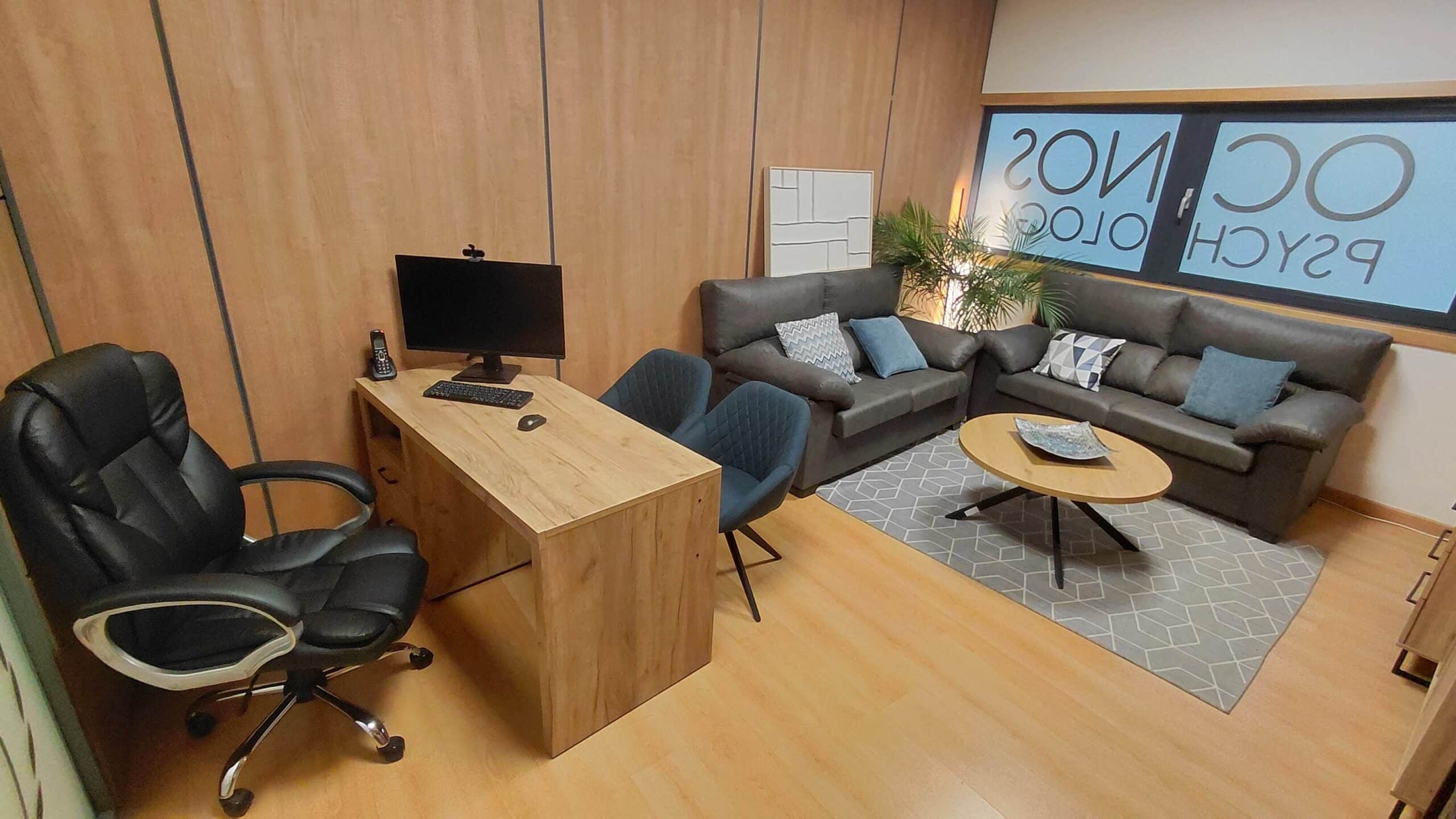
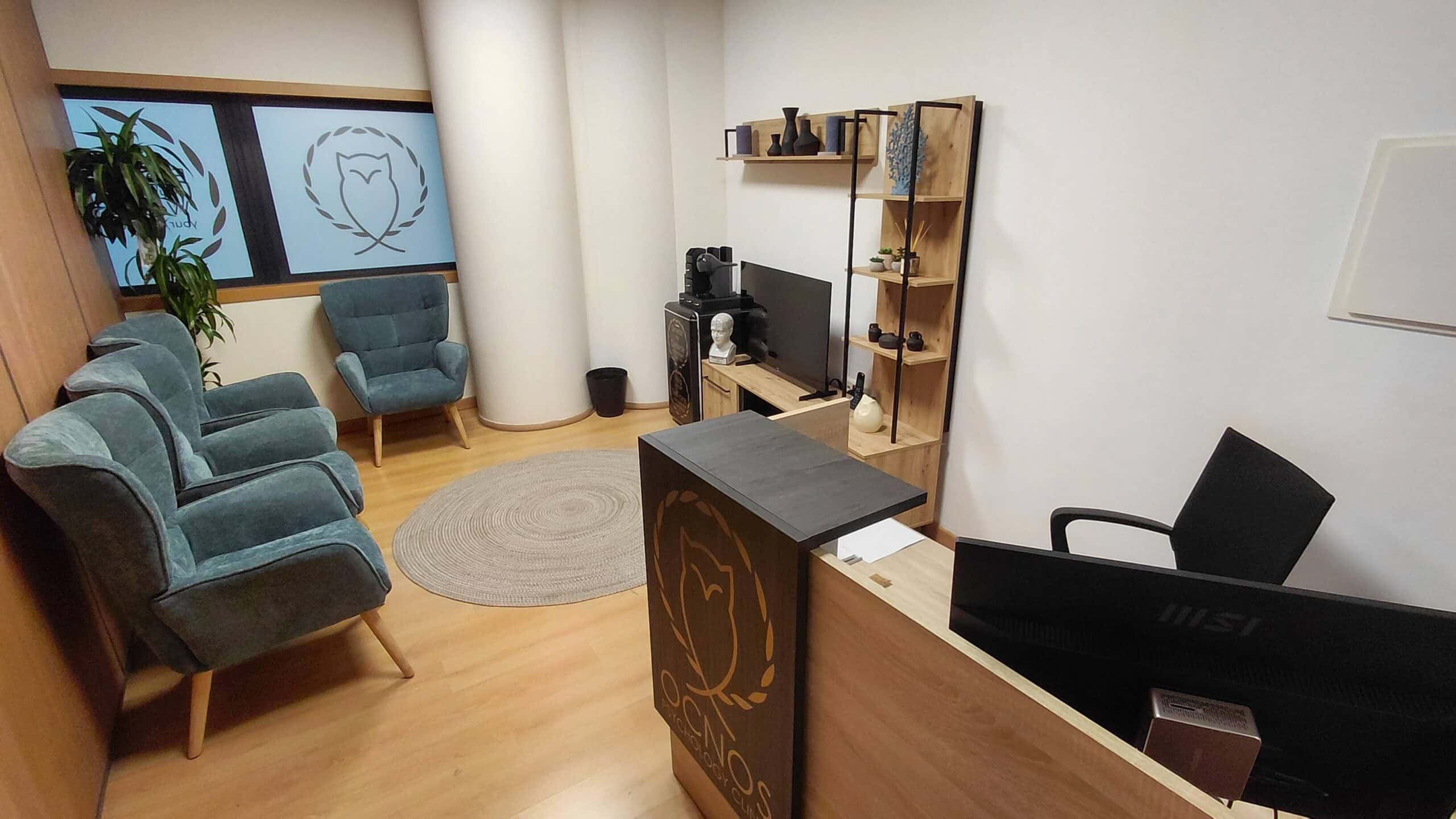
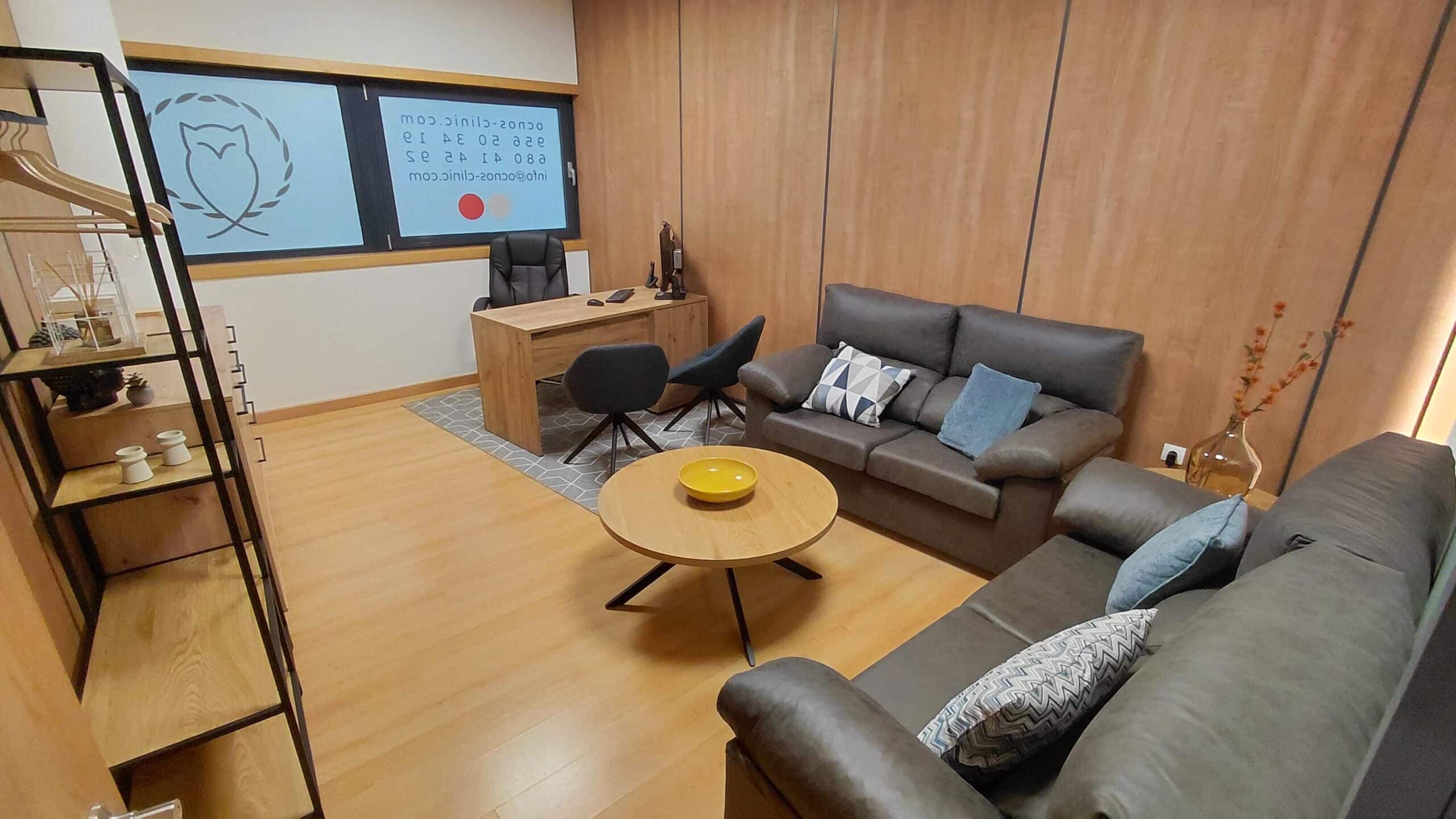
Ocnos Psychology Clinic is located in the Azabache Building in Palmones, opposite Quirón Campo de Gibraltar. Our consultation rooms are designed to offer privacy, calm and a professional setting for sensitive conversations.
Our clinical team
At Ocnos Psychology Clinic, sex therapy is approached as part of psychological healthcare. We work as a team, with clinical rigour, discretion and respect for each person’s pace.

Héctor Lozano Jiménez
General Health Psychologist · Director · COPAO AN 11777.
View profile
Rocío Rodríguez Boza
General Health Psychologist · COPAO AN 13748.
View profile
María Ángeles Sanz Ruiz
General Health Psychologist · COPAO AN 12933.
View profileReviews of Ocnos Psychology Clinic
Asking for help with a sexual difficulty can feel vulnerable. Reading other people’s experiences may help you understand our way of working: professional, warm, discreet and non-judgemental.


FAQs about sex therapy
What is sex therapy?
Sex therapy is a psychological process for understanding and working with difficulties related to desire, arousal, orgasm, ejaculation, pain, sexual anxiety, intimacy or sexual communication. It can be carried out individually or as a couple, depending on the situation.
When should I ask for help with a sexual difficulty?
It may be helpful to ask for support when the difficulty is repeated, causes distress, affects self-esteem, leads to avoidance, creates distance in the relationship or turns sexuality into a source of anxiety, pressure, guilt or frustration.
Can I attend sex therapy without my partner?
Yes. Many sexual difficulties can be worked on individually, especially when there is anxiety, shame, body disconnection, fear of failure, avoidance or uncertainty about what is happening. If involving your partner later makes sense, this can be discussed.
Is sex therapy the same as couples therapy?
No. Couples therapy focuses more broadly on communication, conflict, trust, agreements and the relationship. Sex therapy focuses specifically on intimacy, desire, sexual communication, sexual function, pain, pleasure and the emotional impact of sexual difficulties.
Does sex therapy involve sexual practices in the consultation room?
No. There are no sexual practices, physical examinations or invasive procedures in the consultation room. The work is based on clinical conversation, psychological assessment, psychoeducation, communication and agreed exercises or guidelines to use outside the session when appropriate.
What happens in the first session?
The first session helps us understand what is happening, when it started, how it is affecting you, whether there are emotional, relational, medical or physical factors to consider, and which therapeutic approach may be most appropriate.
What if my sexual difficulty has a medical cause?
If there are signs that may require medical, gynaecological, urological or pelvic floor physiotherapy assessment, we will say so responsibly. Psychological therapy can help when there is anxiety, fear, avoidance or emotional impact, but it does not replace medical assessment when this is needed.
How much does sex therapy cost?
An individual session lasts approximately 60 minutes and costs €70. A couples session lasts approximately 90 minutes and costs €110.
Can sex therapy be done online?
Yes, in many cases sex therapy can be done online. However, depending on the reason for consultation, privacy at home, the couple's situation and any need for healthcare coordination, in-person sessions may sometimes be recommended.
Ocnos Psychology Clinic in Palmones
Our clinic is located in the Azabache Building, First Floor, Office 10, in Palmones. We support people from Los Barrios, Algeciras, La Línea de la Concepción, San Roque, Sotogrande, Gibraltar and other areas of Campo de Gibraltar.
Talking about sexuality in therapy can relieve a great deal of pressure
If you are experiencing a sexual difficulty, you do not need to have all the answers before asking for help. We can help you understand what is happening and decide which approach may fit your situation best.
Latest blogs and resources about sex therapy
In addition to clinical care, Ocnos Psychology Clinic publishes articles on sexuality, relationships, desire, sexual anxiety, intimate communication and psychological wellbeing, offering clear, responsible and useful information.
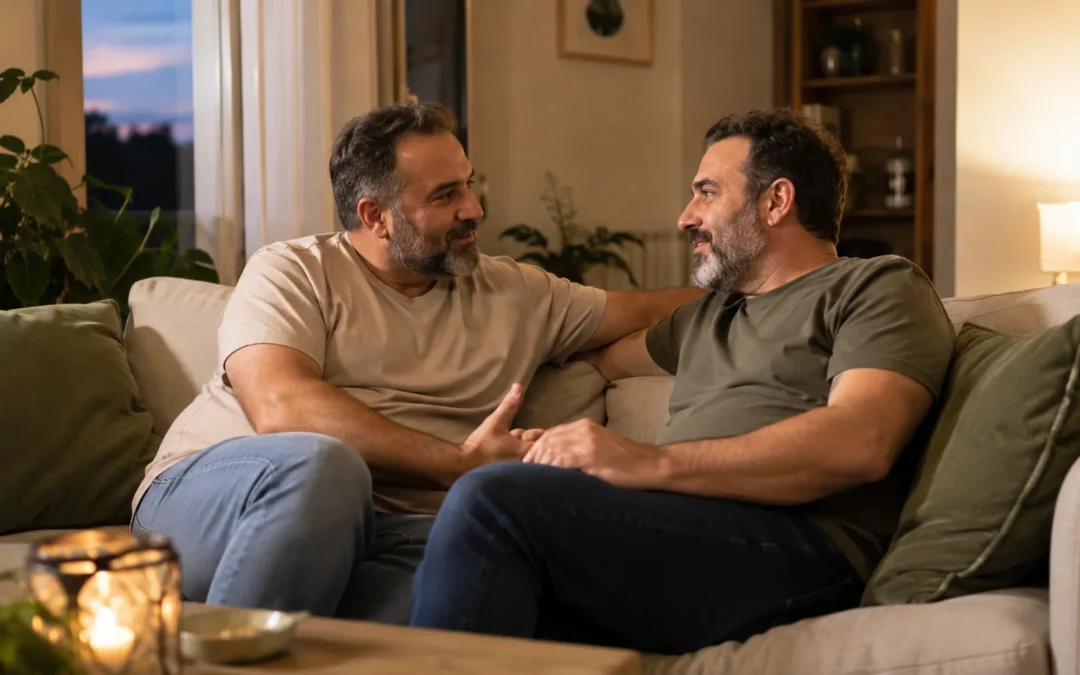
Opening a relationship to rekindle desire: what to consider first
Opening a relationship may add novelty, but it is not an automatic treatment for low desire. This guide explores causes, motives, risks, agreements and alternatives before deciding.
We opened our relationship and now I regret it: what should we do?
A guide for when one partner regrets opening: immediate safety, understanding regret, responsibility towards others, repair and realistic options.

Jealousy in an open relationship: understanding it without turning to control
Learn to understand and manage jealousy in an open relationship without denying the emotion or turning it into surveillance, control or impossible rules.
Quad relationships: what they are, how they work and the agreements they need
An inclusive, evidence-informed guide to four-person relationships, with practical ways to manage time, prevent alliances of power and build clear, respectful agreements.
My partner wants an open relationship and I don’t: talking without pressure
A guide to facing a request for openness without confusing listening with consent: first reactions, boundaries, conversation, pressure warning signs and incompatibility.

Consensual non-monogamy: meaning, types, agreements and how to know if it suits you
A practical psychology-based guide to consensual non-monogamy: how it differs from infidelity, which models it includes, and how to discuss agreements, jealousy, care and boundaries without idealising any relationship structure.
Monogamous relationship: what exclusivity means and how to build healthy agreements
A monogamous relationship involves an agreement about exclusivity, but couples do not always mean the same thing by it. This guide explores fidelity, boundaries, attraction, desire, jealousy, digital behaviour and how agreements can change.

Open relationship: what it means, how it works and which agreements matter
A practical psychology-based guide to open relationships: motivations, consent, agreements, jealousy, sexual health and how to decide without idealising or condemning this relationship model.

Living Apart Together relationships: committed, but in separate homes
A psychological guide to LAT relationships: how they differ from long-distance relationships or separation, possible benefits and difficulties, agreements, care and questions to consider before choosing separate homes.