

Anorgasmia and difficulty reaching orgasm: psychological support in Palmones, near Algeciras, Sotogrande and Gibraltar
Difficulty reaching orgasm can be experienced with frustration, pressure, sadness, guilt or a sense of disconnection from your own body. At Ocnos Psychology Clinic, we offer psychological support for anorgasmia and orgasm difficulties from a confidential, respectful and personalised approach.
We support people from Palmones, Los Barrios, Algeciras, La Línea, San Roque, Sotogrande, Gibraltar and other areas of Campo de Gibraltar who want to understand what may be blocking pleasure, reduce pressure and rebuild a calmer relationship with intimacy.
What anorgasmia is and when it may be worth seeking help
Anorgasmia refers to a persistent or repeated difficulty reaching orgasm, even when there is desire, arousal or stimulation. It may have always been present, appear during a particular stage of life, or happen only with certain partners, practices or contexts.
Not every orgasm that takes longer to arrive is a clinical problem. Sexuality does not work in the same way every day, and the body can change with stress, tiredness, life stage, the relationship or emotional state. However, when the difficulty causes distress, frustration, avoidance, guilt or tension in the relationship, psychological support can be helpful.
Central idea: in therapy, we do not treat orgasm as a compulsory goal to chase. We work to understand what is interfering with pleasure so that intimacy can be experienced with more safety, freedom and less pressure.

Anorgasmia, low sexual desire and sexual anxiety are not the same
Many people come to therapy saying, “I don’t know what is happening to me.” Sometimes there is desire, but orgasm does not arrive. Sometimes desire itself is low. In other cases, anxiety appears before or during intimacy. Differentiating these patterns helps us guide treatment more accurately.
There is an orgasm blockage
There may be desire, arousal or intimacy, but orgasm does not arrive, takes a long time, or only happens in very specific circumstances. Pressure to achieve it often makes the blockage worse.
Desire feels low or switched off
The main difficulty is related to interest, sexual motivation or connection with intimacy. It does not always involve difficulty reaching orgasm when desire is present.
Pressure takes over the experience
The person monitors themselves too much, anticipates failure, tries to control their body response and may disconnect from pleasure through excessive vigilance.

When orgasm becomes a test
One of the most common traps in anorgasmia is trying to control the process too much. The person starts wondering whether this time it will happen, whether it is taking too long, whether their partner will feel frustrated, or whether their body “should” respond differently.
This constant self-monitoring can take the person away from pleasant sensations. Instead of being present, an internal evaluation begins: “Am I doing it right?”, “Why am I not feeling more?”, “What will my partner think?”, “It is happening again.”
For that reason, psychological therapy is not about adding more pressure to reach orgasm. It is about reducing the sense of being examined, understanding what is happening and rebuilding a safer connection with the body, pleasure and intimate communication.
Expectation
“This time I should manage it” or “I don’t want to disappoint.” The encounter begins with pressure rather than curiosity.
Self-monitoring
Attention shifts towards performance: how much I feel, how long it is taking, whether I will reach orgasm or whether my body is responding.
Disconnection
When trying to control the response, the person may disconnect from sensations, pleasure and spontaneity.
Frustration
Afterwards, guilt, sadness, comparison or the feeling that “something is wrong with me” can appear.
More pressure
The next intimate encounter begins with more fear, more control and more expectations, reinforcing the blockage.
What can influence difficulty reaching orgasm
Anorgasmia can involve psychological, relational, physical or mixed factors. That is why, before suggesting any strategies, we carry out a careful assessment of sexual history, current life circumstances, emotional wellbeing and possible medical or medication-related factors.
- Sexual anxiety, fear of judgement, self-demand or pressure to reach orgasm.
- Body disconnection, difficulty noticing sensations or excessive control.
- Guilt, shame, restrictive sexual education or rigid beliefs around pleasure.
- Communication difficulties, relationship conflict or fear of asking for what is needed.
- Stress, tiredness, low mood, general anxiety or previous difficult experiences.
- Sexual pain, low desire, arousal difficulties, medication or health conditions.

Responsible health information: if difficulty reaching orgasm appears suddenly, coincides with a medication change, alcohol or substance use, pain, hormonal changes, physical symptoms, surgery, neurological illness or any medical concern, we recommend consulting a GP, gynaecologist, urologist or another appropriate healthcare professional. Psychological therapy does not replace medical assessment when this is needed.
How we work with anorgasmia at Ocnos Psychology Clinic
The process is not about applying the same recipe to everyone. Each person arrives with a different story: some feel intense pressure, others do not know how to talk about it, others have lost body connection or have learnt to experience pleasure with guilt. Our role is to make sense of the problem and move forward gradually.
Assessment without judgement
We explore when the difficulty appears, in which contexts, with which thoughts, what emotions accompany it and what attempts to solve it have already been tried.
Reducing pressure
We work on self-demand, comparison, fear of disappointing and the idea that orgasm is a test that has to be passed.
Body reconnection
We introduce gradual strategies to notice the body again from safety, curiosity and respect for your own pace.
Intimate communication
When there is a partner, we work on how to speak about pleasure, boundaries, preferences, frustration and expectations without blame or reproach.
Between-session tasks
Where appropriate, we may suggest psychological or observation-based exercises to complete outside the session, always without forced exposure.
Realistic follow-up
We review progress, blocks, emotions and goals so that the process remains useful, flexible and adapted to the person.
A clinical space to talk about pleasure without pressure
We know that talking about orgasm can bring up shame, discomfort or fear of being judged. That is why we are very careful with the therapeutic frame. Sessions are based on clinical conversation, psychological assessment, psychoeducation, communication and personalised guidance.
No sexual practices take place in consultation. We also do not force anyone to discuss details they are not ready to share. The aim is to create a safe space where the problem can be understood, emotions can be organised and progress can happen respectfully.
Safety before performance: often, the first sign of progress is not “reaching orgasm”, but no longer experiencing intimacy as an exam, recovering a sense of choice and being able to talk about the topic with less fear.


Is it better to come alone or with a partner?
Individual therapy may be appropriate when the difficulty is experienced with shame, internal pressure, body disconnection, anxiety or personal experiences that need to be worked through privately.
Couples therapy may help when the blockage is affecting communication, desire, trust or the way shared intimacy is experienced. It is not about looking for someone to blame, but about building a clearer and less demanding language around pleasure.
Individual session
€70 · 60 minFor pressure, shame, body disconnection, sexual anxiety, guilt or personal history.
Couples session
€110 · 90 minFor intimate communication, expectations, frustration, desire, pleasure and connection without pressure.
A discreet and professional setting to talk about sexuality
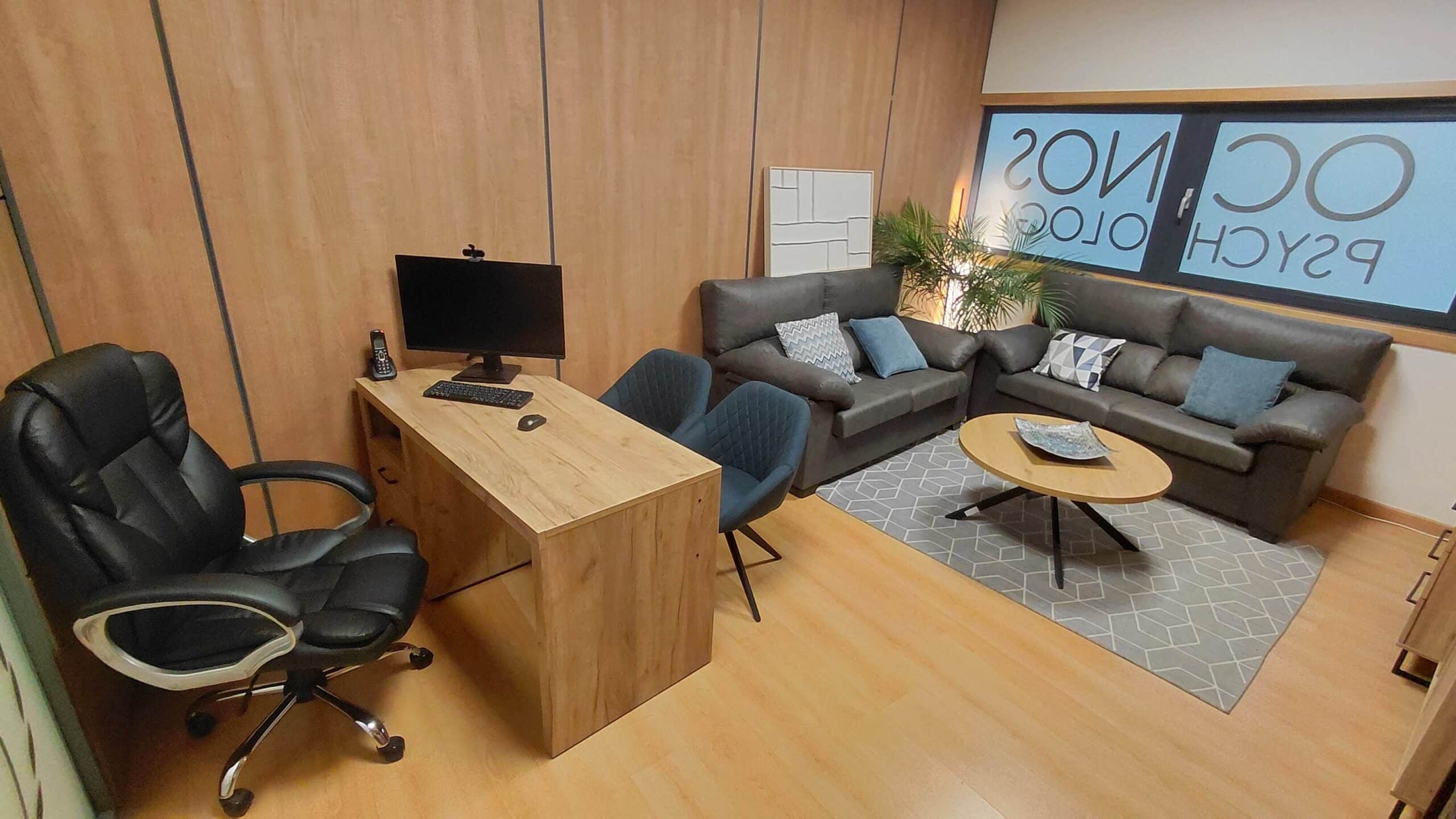
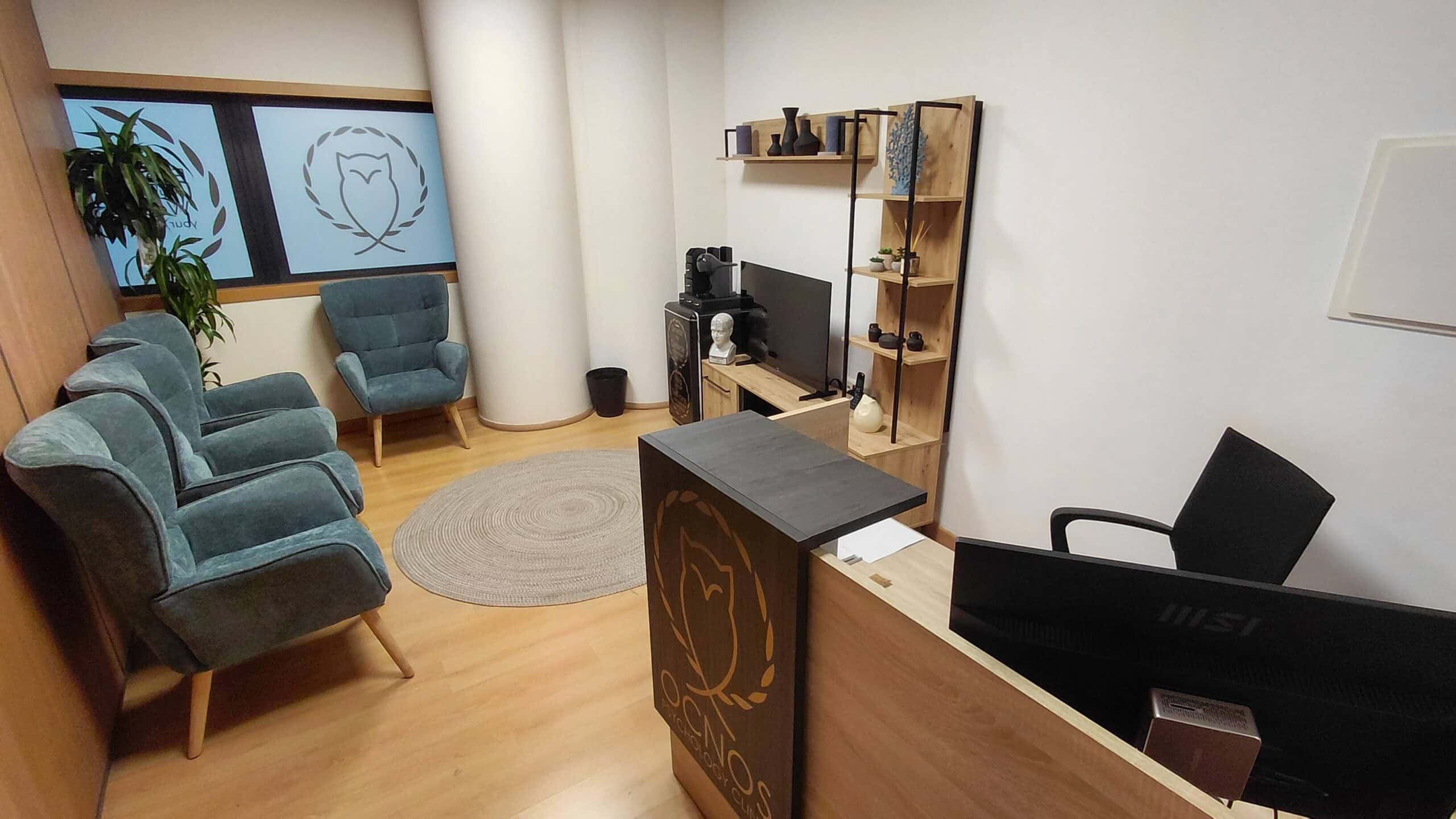
Ocnos Psychology Clinic is located in Palmones, in a calm and private setting. For many people, being able to talk about orgasm, pleasure, guilt or blockage in a quiet, non-judgemental space is an important part of the therapeutic process.

Our team
At Ocnos Psychology Clinic, you will be supported by a team of registered healthcare psychologists. We approach sexuality with confidentiality, respect, clinical responsibility and no judgement.

Héctor Lozano Jiménez
General Health Psychologist · Director · COPAO AN11777.
View profile
Rocío Rodríguez Boza
General Health Psychologist · COPAO AN13748.
View profile
María Ángeles Sanz Ruiz
General Health Psychologist · COPAO AN12933.
View profileReviews of Ocnos Psychology Clinic
We know that asking for help with a sexual difficulty can feel embarrassing. Other people’s experiences can help you understand how we work: professionally, warmly, confidentially and without judgement.


When orgasm blockage overlaps with other difficulties
Difficulty reaching orgasm may appear as the main difficulty or be linked to sexual anxiety, low desire, pain, body tension or communication difficulties in the relationship. In the first assessment, we try to understand the role of each factor.
Frequently asked questions about anorgasmia and difficulty reaching orgasm
Understanding the problem
What is anorgasmia?
Anorgasmia is a persistent or repeated difficulty reaching orgasm, even when there is desire, arousal or stimulation. It may have always been present, start at a specific stage of life, or happen only in some situations. What matters is not meeting a rule around time or frequency, but whether it causes distress, frustration or difficulties with intimacy.
Is it the same as low sexual desire?
Not necessarily. A person may have desire and still have difficulty reaching orgasm. With low sexual desire, the main difficulty is usually around interest or sexual motivation. With anorgasmia, the focus is the orgasm blockage, although both difficulties can appear together.
Can it happen even if the relationship is good?
Yes. Difficulty reaching orgasm does not necessarily mean the relationship is bad. It may be linked to internal pressure, body disconnection, anxiety, sexual education, stress, medication, previous experiences or expectations. Even so, couple communication can strongly influence how the difficulty is experienced.
Causes and assessment
Is anorgasmia psychological?
It can involve psychological, physical, relational or mixed factors. In some cases, sexual anxiety, pressure to reach orgasm, shame, guilt or body disconnection play a role. In other cases, medical, hormonal, medication-related factors, pain or alcohol and substance use may be involved. That is why each case should be assessed carefully.
Can medication affect orgasm?
Yes. Some medicines can affect desire, arousal or the ability to reach orgasm. If the difficulty appears after starting or changing medication, it is important to speak to the doctor who prescribed it. Medication should not be stopped or changed without medical advice.
Do I need to see a doctor before starting therapy?
Not always, but it may be advisable if the difficulty appeared suddenly, there is pain, physical symptoms, hormonal changes, previous illness, surgery, substance use or medication that may be related. At Ocnos, we can help you consider whether psychological work should be complemented with medical assessment.
Psychological treatment
Will therapy include sexual exercises?
It depends on the case and is always approached with respect for the person’s pace. Therapy may include observation, communication, pressure reduction, body reconnection or exercises to complete outside the session. No sexual practices take place in consultation and no exercise is suggested unless the person understands and agrees to it.
Can I come if I feel very embarrassed to talk about it?
Yes. Shame is very common in sexual difficulties. You do not have to tell everything at once or use words you do not feel comfortable with. The process is built gradually, in a confidential and non-judgemental space.
Is it better to come alone or with my partner?
It depends on how the difficulty is being experienced. It may be useful to start individually if there is a lot of shame, anxiety or personal history to work through. If the difficulty is affecting communication, desire or the relationship, coming as a couple may also be appropriate.
How much does a session cost?
An individual session lasts approximately 60 minutes and costs €70. If we work in a couples format, the session lasts approximately 90 minutes and costs €110.
How many sessions are usually needed?
There is no fixed number. It depends on whether the difficulty has always been present or appeared recently, the level of anxiety, the relationship context, possible medical or medication-related factors and the person’s goals. After the first assessment, we can guide you more clearly.
Ocnos Psychology Clinic in Palmones
Our clinic is located in Edificio Azabache, First Floor, Office 10, in Palmones. We support people from Los Barrios, Algeciras, La Línea de la Concepción, San Roque, Sotogrande, Gibraltar and other areas of Campo de Gibraltar.
Talking about the blockage can relieve a lot of pressure
If difficulty reaching orgasm is causing frustration, guilt, avoidance or tension in your relationship, we can help you understand what is happening and work on it with a psychological, confidential and personalised approach.
Latest blogs and resources on sex therapy
Alongside psychological treatment, Ocnos Psychology Clinic publishes articles on sexuality, relationships, desire, sexual anxiety, pleasure and intimate wellbeing to offer clear, responsible and useful information.
These resources can offer an initial orientation when there are questions about orgasm, desire, sexual anxiety, pain, intimate communication or sexual difficulties related to pressure, guilt, self-confidence or the relationship.
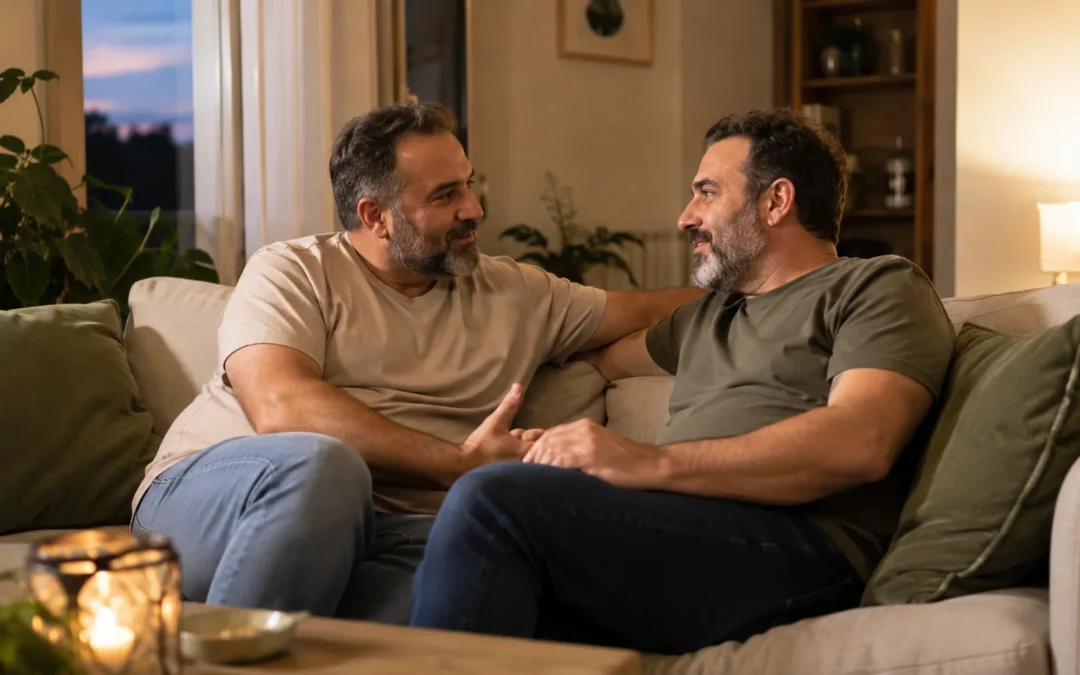
Opening a relationship to rekindle desire: what to consider first
Opening a relationship may add novelty, but it is not an automatic treatment for low desire. This guide explores causes, motives, risks, agreements and alternatives before deciding.
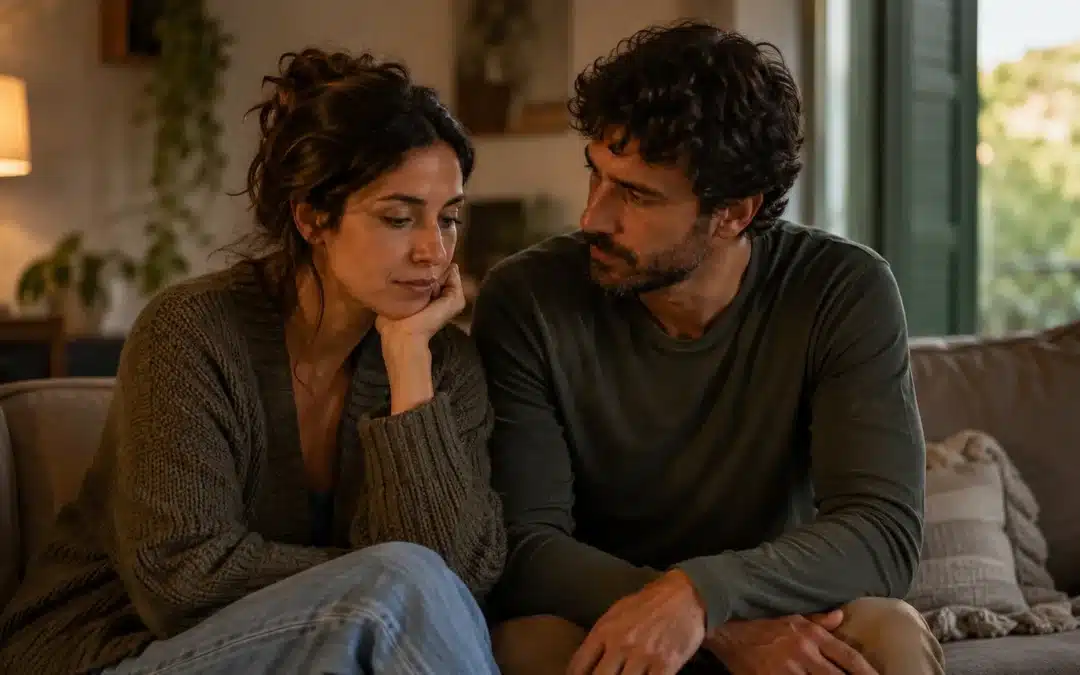
We opened our relationship and now I regret it: what should we do?
A guide for when one partner regrets opening: immediate safety, understanding regret, responsibility towards others, repair and realistic options.
Jealousy in an open relationship: understanding it without turning to control
Learn to understand and manage jealousy in an open relationship without denying the emotion or turning it into surveillance, control or impossible rules.
Quad relationships: what they are, how they work and the agreements they need
An inclusive, evidence-informed guide to four-person relationships, with practical ways to manage time, prevent alliances of power and build clear, respectful agreements.
My partner wants an open relationship and I don’t: talking without pressure
A guide to facing a request for openness without confusing listening with consent: first reactions, boundaries, conversation, pressure warning signs and incompatibility.
Consensual non-monogamy: meaning, types, agreements and how to know if it suits you
A practical psychology-based guide to consensual non-monogamy: how it differs from infidelity, which models it includes, and how to discuss agreements, jealousy, care and boundaries without idealising any relationship structure.
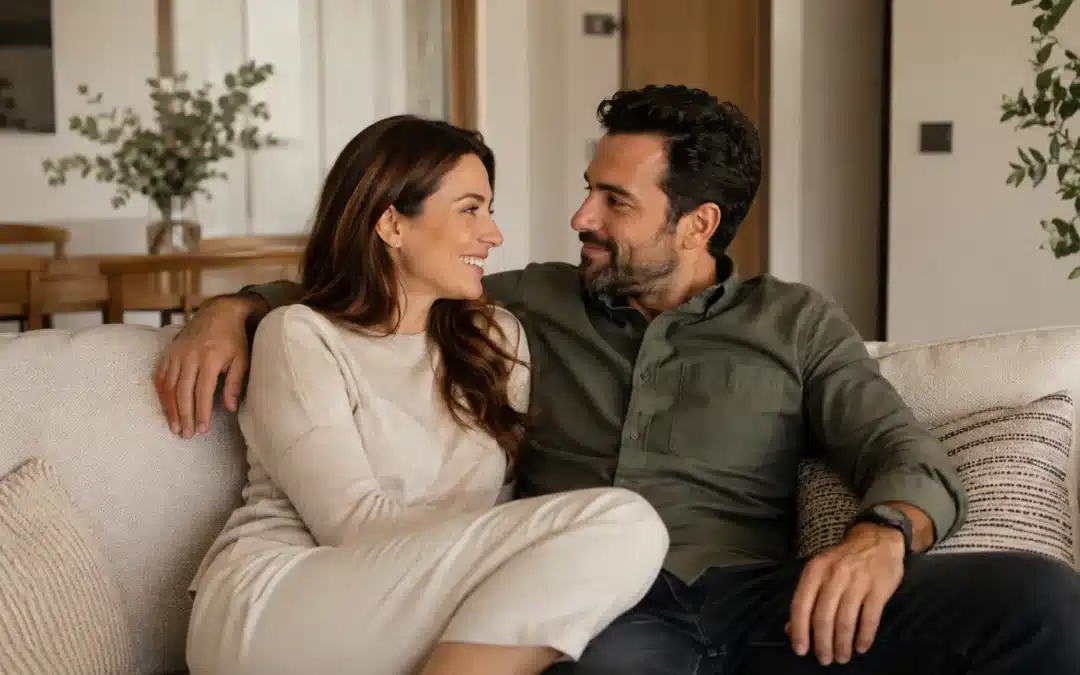
Monogamous relationship: what exclusivity means and how to build healthy agreements
A monogamous relationship involves an agreement about exclusivity, but couples do not always mean the same thing by it. This guide explores fidelity, boundaries, attraction, desire, jealousy, digital behaviour and how agreements can change.
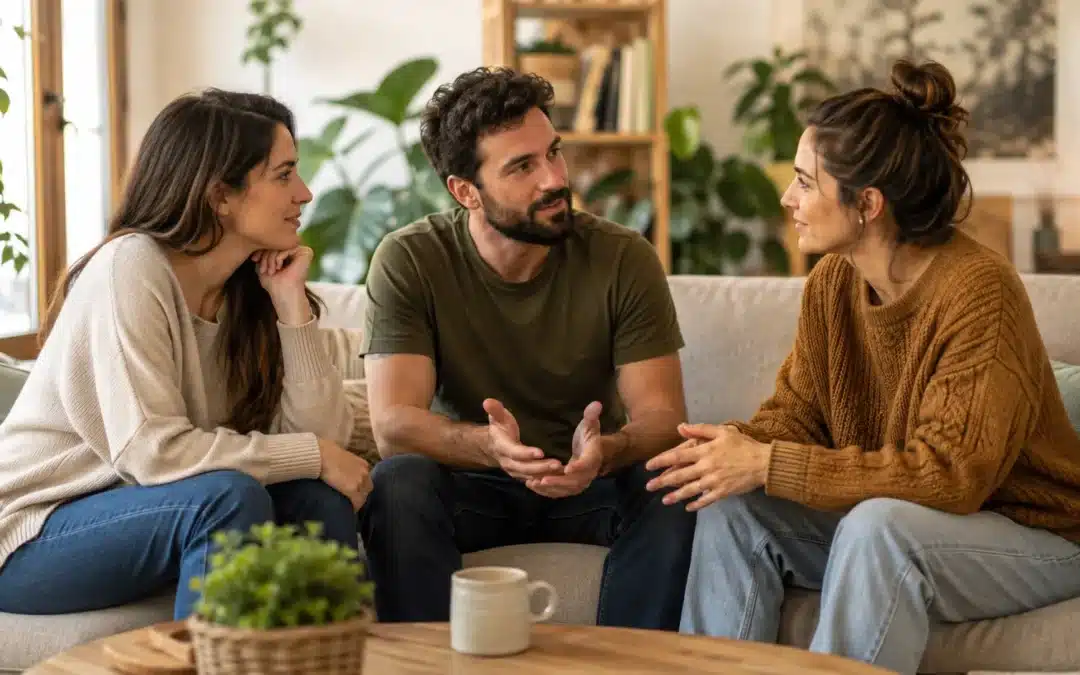
Open relationship: what it means, how it works and which agreements matter
A practical psychology-based guide to open relationships: motivations, consent, agreements, jealousy, sexual health and how to decide without idealising or condemning this relationship model.

Living Apart Together relationships: committed, but in separate homes
A psychological guide to LAT relationships: how they differ from long-distance relationships or separation, possible benefits and difficulties, agreements, care and questions to consider before choosing separate homes.