

Low sexual desire: psychological support in Palmones, near Algeciras, Sotogrande and Gibraltar
Low sexual desire can be experienced with guilt, confusion, emotional distance in a relationship or pressure to “want it more”. At Ocnos Psychology Clinic, we work with reduced sexual desire from a psychological, relational and healthcare perspective, without judgement and without turning desire into an obligation.
We support individuals and couples from Palmones, Los Barrios, Algeciras, La Línea, San Roque, Sotogrande, Gibraltar and other areas of Campo de Gibraltar who want to understand what may be switching desire off, and how to rebuild a calmer relationship with intimacy.
“Having less desire does not mean loving less, failing as a partner or being broken. Sometimes it is a sign that something needs to be listened to.”
In therapy, we distinguish between low desire, sexual pressure, emotional distance, body disconnection, anxiety or depression symptoms, medication effects and health factors that may need medical assessment.
What low sexual desire can mean
Low sexual desire is often described as a reduction in sexual interest, motivation or initiative. But it does not mean the same thing for everyone. Sometimes it appears temporarily during stressful periods. At other times it lasts for months and begins to create distress, doubts or distance in the relationship.
What matters is not meeting a “normal” sexual frequency, but understanding whether the drop in desire is causing suffering, avoidance, guilt, relationship conflict or a sense of disconnection from your own body.
At Ocnos, we do not treat desire as an obligation. We understand it as a human experience shaped by the body, emotions, relationships, personal history and life context.

Low sexual desire is not always a problem
Sexual desire changes across life. It may vary because of life stage, relationship dynamics, health, stress, parenthood, grief, anxiety, depression, hormonal changes, medication or previous experiences. That is why it is important to understand the context before deciding what kind of help is needed.
Low desire with distress
When reduced desire leads to guilt, sadness, worry, avoidance or a sense of losing an important part of intimate life.
Different levels of desire
When one partner wants sex more or less than the other, and that difference turns into pressure, blame, silence or emotional distance.
Desire affected by context
When desire decreases during a period of tiredness, stress, conflict, pain, body insecurity or health changes that may need attention.
Important: low sexual desire can involve psychological, relational, medical, hormonal or medication-related factors. If there is pain, a sudden change, physical symptoms, hormonal concerns, menopause, postpartum changes, chronic illness, substance use or a new medication, we recommend speaking with your GP, gynaecologist or urologist as appropriate.
What may be switching desire off
In therapy, we try to understand whether desire has decreased because of emotional load, pressure, body disconnection, relationship difficulties, anxiety, depression, previous experiences or health factors. This distinction changes the way we help.
Stress and tiredness
When the mind is in survival mode, desire may be pushed aside by overload, poor rest or the demands of daily life.
Pressure and obligation
When sex feels like a pending task or a debt to your partner, desire usually switches off even more.
Emotional distance
Unspoken conflict, resentment, poor communication or lack of emotional connection can influence intimacy.
Body and self-esteem
Body insecurity, pain, fear of not responding or disconnection from pleasure can block desire.

The trap of trying to force desire
A common difficulty is that a person tries to make themselves feel desire in order to avoid conflict, not disappoint their partner or check whether “everything is still fine”. However, the more desire is demanded, the more blockage, rejection or disconnection can appear.
Therapy helps you step out of that cycle. Rather than focusing everything on “wanting sex more”, we explore the emotional, physical and relational conditions that allow intimacy to feel safe, free and not imposed.
Demand
“I should want it more”.
Blockage
The body responds with tension or distance.
More pressure
The next time is experienced with more fear or guilt.
When I love my partner, but I do not feel desire
This is something we often hear in therapy. Many people love their partner, value the relationship and still do not feel sexual desire, or feel it much less spontaneously than before. This can create guilt, fear of hurting the other person or concern that the relationship is deteriorating.
In therapy, we separate love, desire, pressure, tiredness, communication and expectations. Sometimes the problem is not a lack of affection, but an accumulation of tension, routine, unresolved conflict, insecurity or lack of emotional connection.
Couples therapy can be especially useful when differences in desire have turned into blame, avoidance, distance or silence. The aim is not to find who is at fault, but to help the couple speak about intimacy with respect, care and less pressure.


How we work with low sexual desire at Ocnos
The first step is understanding what is happening, without assuming that the “problem” belongs to only one person. We explore life stage, the relationship, emotional wellbeing, self-esteem, sexual history, stress, sleep, the body, medication and expectations around sex.
From that assessment, we design a realistic therapeutic plan. It may include individual work, couples sessions, intimate communication, pressure reduction, emotional reconnection, body awareness and gradual changes in how the person or couple approaches intimacy.
- Understanding the history of desire and when it began to change.
- Reducing guilt, pressure, avoidance or a sense of obligation.
- Identifying emotional, relational or medical factors that may be relevant.
- Improving communication about desire, limits, rhythms and needs.
- Rebuilding intimacy from safety, not from demand.
Assessment
We understand what has changed, since when, in which contexts, and what emotional or relational impact it has had.
Clinical hypothesis
We distinguish between pressure, stress, conflict, anxiety, depression, pain, medication and body changes.
Therapeutic plan
We work towards realistic goals: less guilt, better communication, more connection and less demand.
Follow-up
We review progress, difficulties and adjustments so the process fits your pace and your reality.
Individual sessions or couples therapy
Low sexual desire can be explored individually when there is guilt, body disconnection, anxiety, self-esteem, fear, emotional tiredness or personal history that feels important to understand privately.
Couples therapy may be appropriate when differences in desire are affecting the relationship, or when there is blame, silence, avoidance or difficulty speaking about intimacy without tension. In that case, we help the couple understand the difficulty as something to work on together, not as an accusation.
Individual session
70 € · 60 minTo explore low desire, guilt, pressure, self-esteem, anxiety, body disconnection or life changes.
Couples session
110 € · 90 minTo work on differences in desire, intimate communication, pressure, emotional distance or reconnection.
Rebuilding intimacy does not always start with sex
In many processes, progress does not begin with “having more sex”. It begins with reducing pressure, having conversations that have been postponed, improving rest, caring for self-esteem, working on anxiety or finding forms of closeness that do not feel like an obligation.
Sometimes sexual reconnection comes after rebuilding emotional safety, permission to say no, freedom to express desire and trust to talk about what feels good, what feels uncomfortable and what is needed.

A private setting to talk about desire without judgement
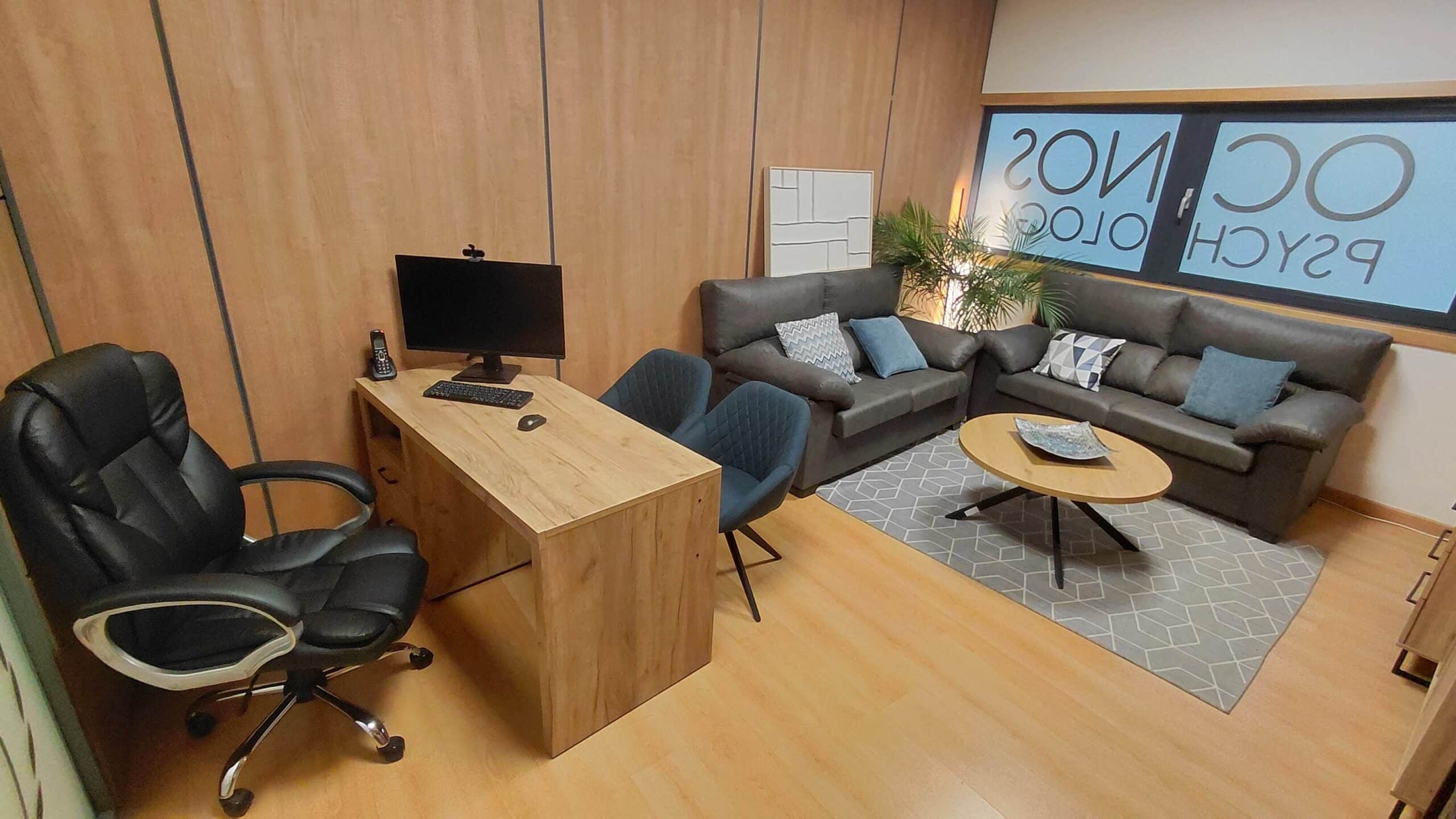
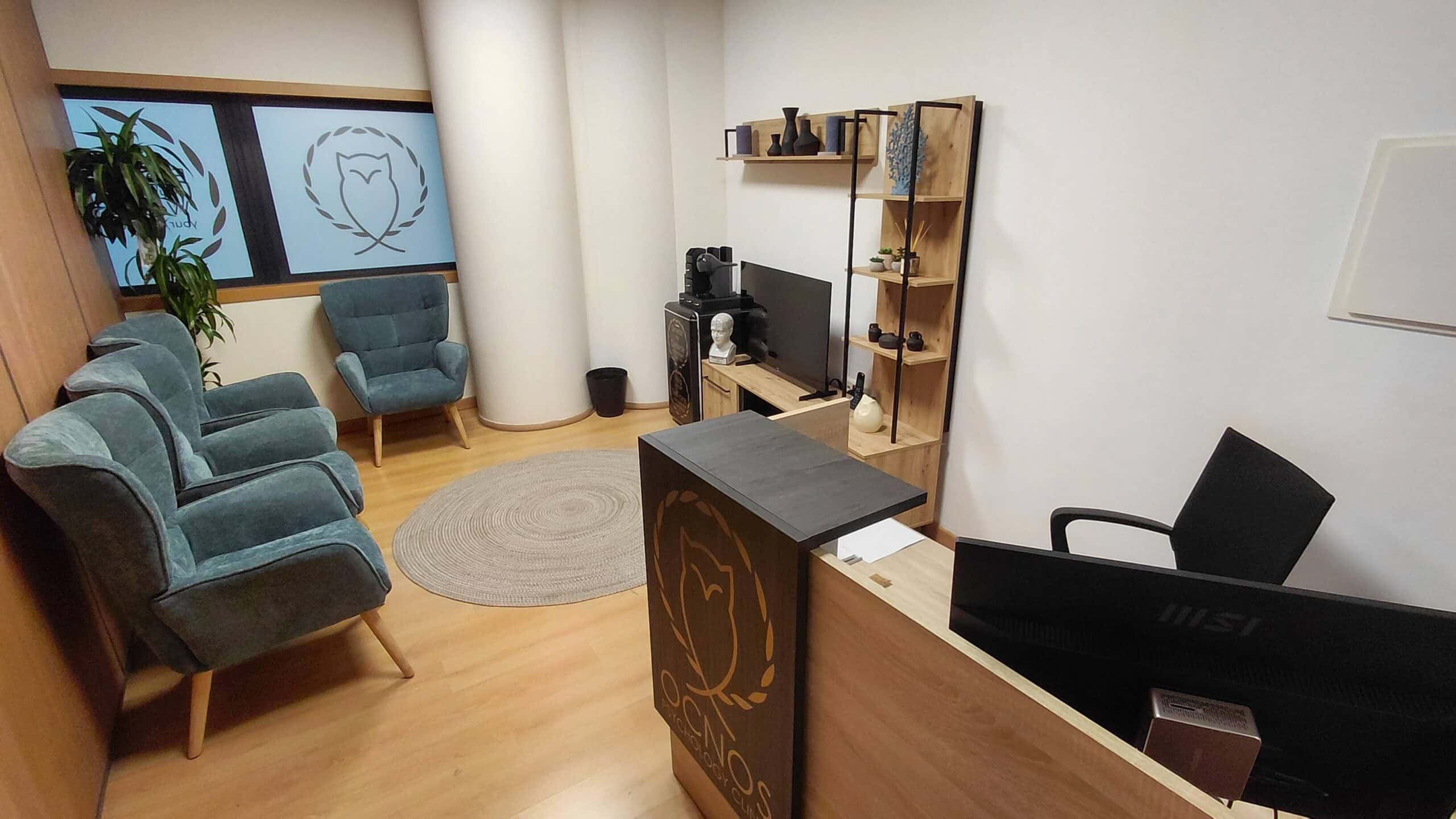
Ocnos Psychology Clinic is located in Palmones, in Edificio Azabache. The clinic has been designed so that you can talk about sensitive topics such as sexuality, relationships and desire in a calm, discreet and professional space.

Our team
At Ocnos Psychology Clinic, you will be supported by a team of registered General Health Psychologists. We take particular care to make the process discreet, professional and respectful, especially when sexuality, relationships or shame are involved.

Héctor Lozano Jiménez
General Health Psychologist · Director · COPAO AN 11777.
View profile
Rocío Rodríguez Boza
General Health Psychologist · COPAO AN 13748.
View profile
María Ángeles Sanz Ruiz
General Health Psychologist · COPAO AN 12933.
View profileReviews of Ocnos Psychology Clinic
We know that asking for help with desire or intimacy can bring up doubts. Other people’s experiences can help you understand how we work: warm, professional, confidential and without judgement.


Difficulties that can overlap with low sexual desire
Low sexual desire can appear as the main difficulty or overlap with anxiety, pain, communication problems, body disconnection or difficulty reaching orgasm. That is why, in the first assessment, we try to understand whether low desire is the main issue, a consequence of another difficulty or part of a broader relational pattern.
Frequently asked questions about low sexual desire
Desire, guilt and relationships
Is low sexual desire always a problem?
No. Sexual desire can vary across life, and there is no “correct” frequency for everyone. It is usually worth seeking help when low desire creates distress, guilt, avoidance, emotional distance in the relationship or persistent worry.
Does it mean I no longer love my partner?
Not necessarily. A person can love their partner and still experience little sexual desire. Desire can be affected by stress, tiredness, unresolved conflict, pressure, anxiety, self-esteem, pain, hormonal changes, medication or difficult life stages.
Is therapy about making me want sex more?
No. We do not work from obligation. The aim is not to force desire, but to understand what may be blocking it, reduce pressure and create emotional, physical and relational conditions for intimacy to feel freer and safer.
Causes and assessment
Can stress or tiredness affect desire?
Yes. Stress, lack of rest, mental overload and emotional tiredness can reduce sexual interest. Anxiety, depression, body image, relationship difficulties, pain, medication and certain medical conditions can also play a role.
When should I also speak with a doctor?
It is advisable to speak with your GP, gynaecologist or urologist if low desire appears suddenly, comes with pain, hormonal changes, physical symptoms, menopause, postpartum changes, chronic illness, substance use or the start of a new medication. Psychological therapy does not replace medical assessment when this is needed.
What if the problem started after a difficult period?
That is quite common. Grief, anxiety, depression, relationship conflict, work stress, body changes or difficult sexual experiences can all affect desire. In therapy, we explore that story to understand what may need repair, care or support.
Format, fees and expectations
Is it better to come alone or as a couple?
It depends on the situation. Individual therapy may be appropriate when guilt, anxiety, self-esteem, emotional tiredness or personal history are important. Couples therapy can be helpful when differences in desire are affecting communication, intimacy or the relationship.
How much does a session cost?
An individual session lasts approximately 60 minutes and costs €70. A couples session lasts approximately 90 minutes and costs €110.
Will I have to talk about intimate details in therapy?
Only as much as is useful to understand the difficulty, and always respecting your pace. Therapy is confidential, professional and non-judgemental. No sexual practices take place during sessions; the work is based on clinical conversation, psychological assessment and tailored guidance.
Ocnos Psychology Clinic in Palmones
Our clinic is located in Edificio Azabache, First Floor, Office 10, in Palmones. We support people from Los Barrios, Algeciras, La Línea de la Concepción, San Roque, Sotogrande, Gibraltar and other areas of Campo de Gibraltar.
Talking about desire can relieve a lot of pressure
If low sexual desire is creating guilt, distance, worry or tension in your relationship, we can help you understand what is happening and work on it with a psychological, confidential approach adapted to your situation.
Latest blogs and resources on sex therapy
Alongside psychological therapy, Ocnos Psychology Clinic publishes articles on sexuality, relationships, desire, sexual anxiety and intimate wellbeing to offer clear, responsible and useful information.

Hobosexuality: what it is and how housing shapes relationships
When rent stretches the budget, sharing a home can mean love, savings or necessity. Héctor Lozano explores hobosexuality and practical living arrangements with gentle humour and without easy labels.

Opening a relationship to rekindle desire: what to consider first
Opening a relationship may add novelty, but it is not an automatic treatment for low desire. This guide explores causes, motives, risks, agreements and alternatives before deciding.

We opened our relationship and now I regret it: what should we do?
A guide for when one partner regrets opening: immediate safety, understanding regret, responsibility towards others, repair and realistic options.

Jealousy in an open relationship: understanding it without turning to control
Learn to understand and manage jealousy in an open relationship without denying the emotion or turning it into surveillance, control or impossible rules.
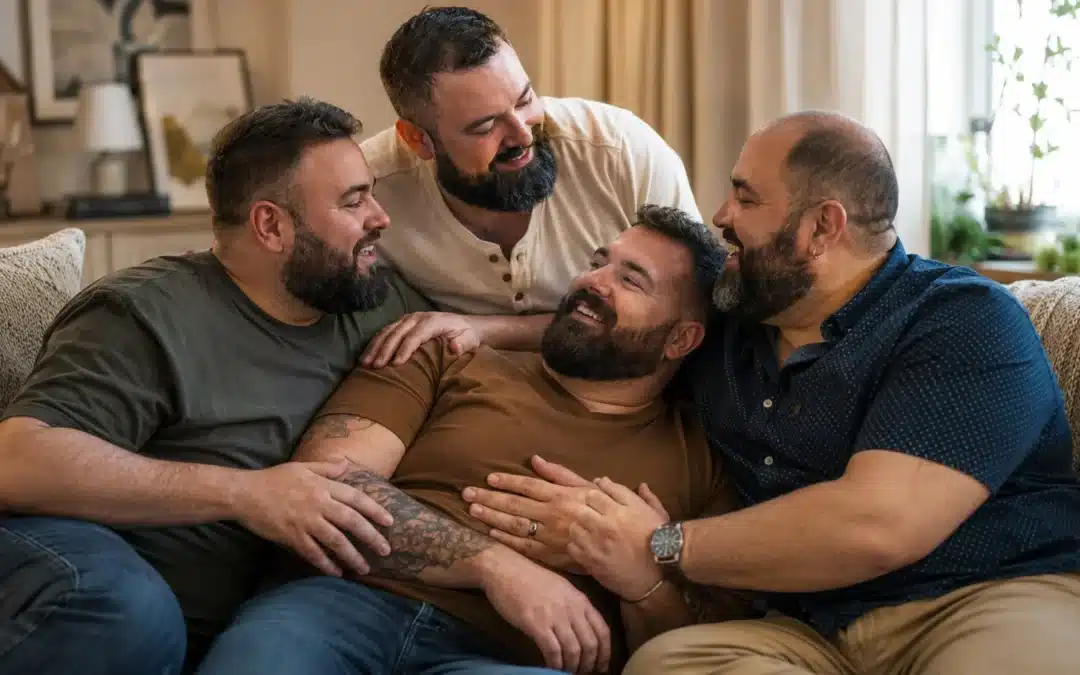
Quad relationships: what they are, how they work and the agreements they need
An inclusive, evidence-informed guide to four-person relationships, with practical ways to manage time, prevent alliances of power and build clear, respectful agreements.

My partner wants an open relationship and I don’t: talking without pressure
A guide to facing a request for openness without confusing listening with consent: first reactions, boundaries, conversation, pressure warning signs and incompatibility.

Consensual non-monogamy: meaning, types, agreements and how to know if it suits you
A practical psychology-based guide to consensual non-monogamy: how it differs from infidelity, which models it includes, and how to discuss agreements, jealousy, care and boundaries without idealising any relationship structure.
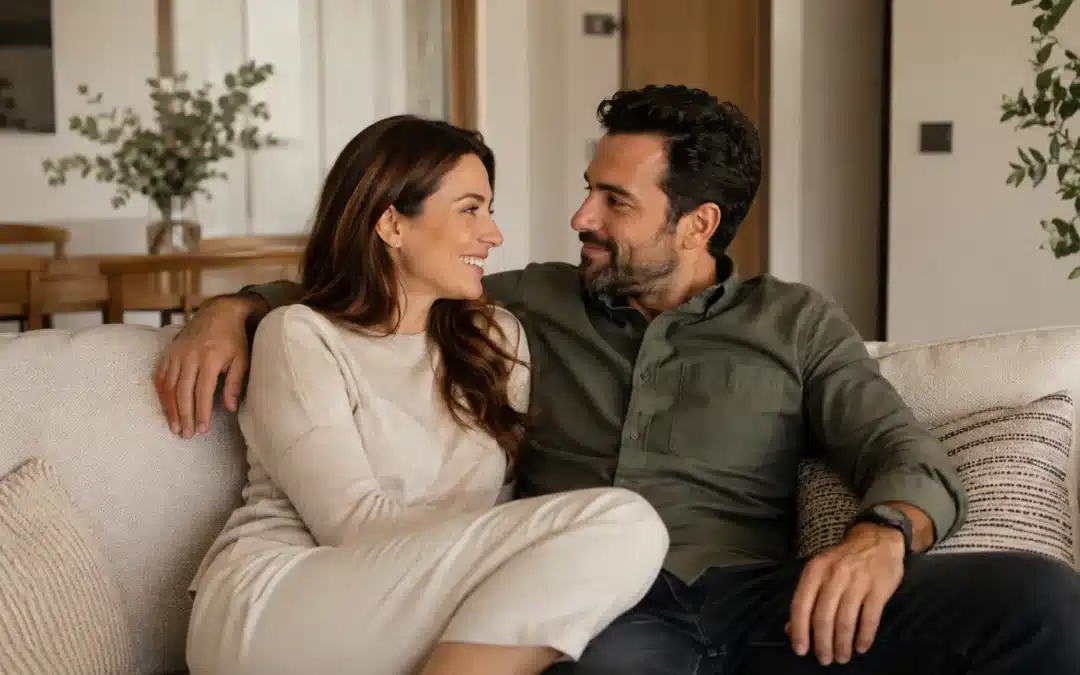
Monogamous relationship: what exclusivity means and how to build healthy agreements
A monogamous relationship involves an agreement about exclusivity, but couples do not always mean the same thing by it. This guide explores fidelity, boundaries, attraction, desire, jealousy, digital behaviour and how agreements can change.

Open relationship: what it means, how it works and which agreements matter
A practical psychology-based guide to open relationships: motivations, consent, agreements, jealousy, sexual health and how to decide without idealising or condemning this relationship model.