

Ocnos clinical team
Héctor Lozano Jiménez Registered Health Psychologist in Palmones
Director of Ocnos Psychology Clinic. He supports people experiencing anxiety, depression, stress, self-imposed pressure and emotional blocks through clear, practical therapy adapted to each person's everyday life.
- COPAO AN 11777
- In-person and online appointments
- Spanish and English
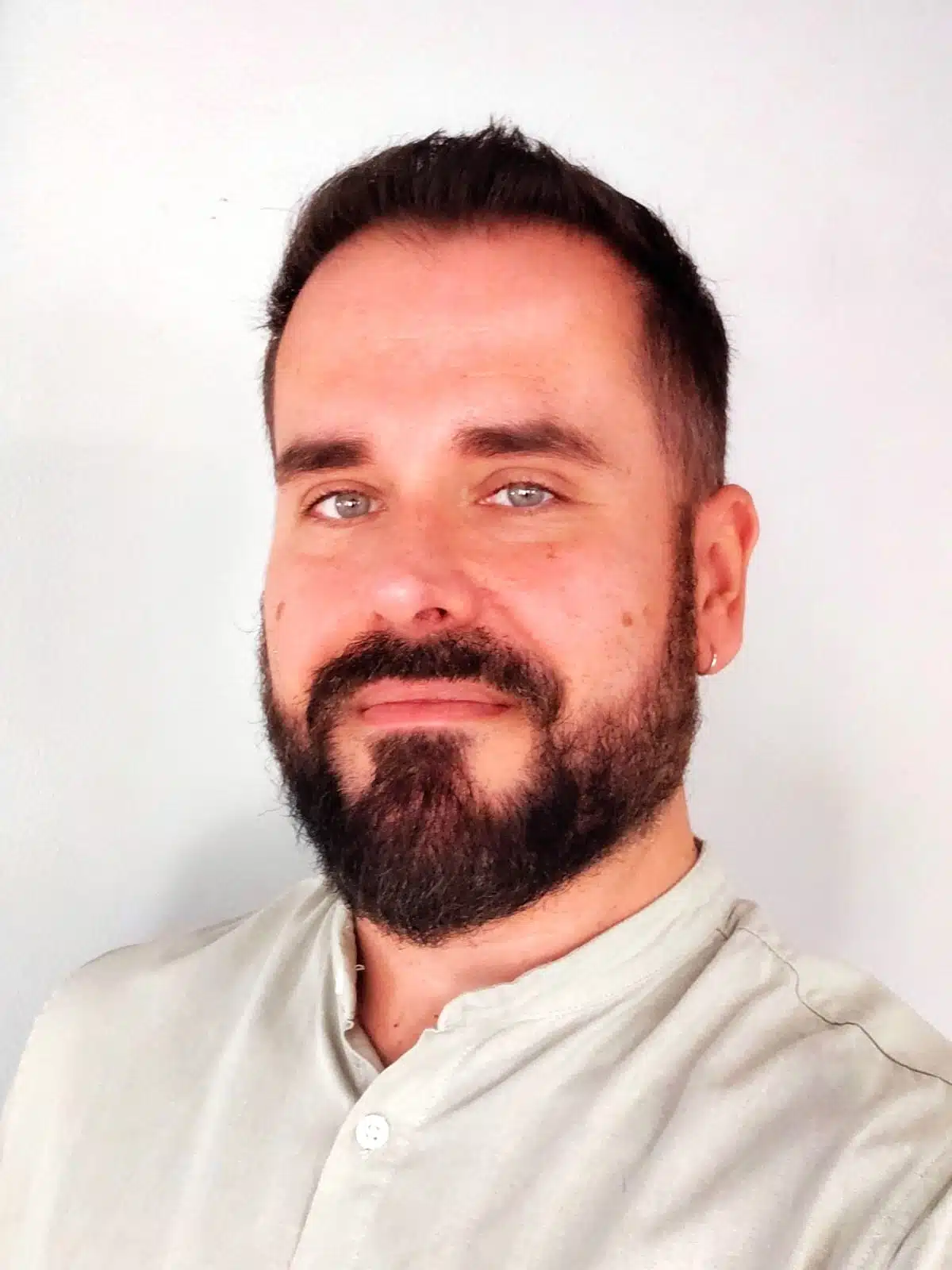
Registered Health Psychologist · Director of Ocnos Psychology Clinic
Professional profile
Understanding what is happening so you can move forwards
Héctor Lozano Jiménez is a Registered Health Psychologist in Spain, registered with COPAO under membership number AN 11777, and director of Ocnos Psychology Clinic, a health psychology clinic in Palmones.
He sees therapy as a collaborative process. The first step is to understand precisely what is happening, what may be maintaining it and how it is affecting everyday life. From there, realistic goals are agreed and practical tools are developed around the person's circumstances, stage of life and values.
His work combines psychoeducation, evidence-based strategies and a contextual perspective. This means looking beyond the symptom itself to consider relationships, routines, demands, environment and coping responses that may help in the short term whilst keeping the difficulty going over time.
Having lived in London for several years, Héctor has also worked in English since 2012. He supports local residents, people from Gibraltar and international residents looking for psychological support in English in Campo de Gibraltar.
Areas of support
Difficulties commonly explored in therapy
Héctor mainly supports adults and young people experiencing emotional distress, persistent worry, feeling stuck or other difficulties affecting their wellbeing, relationships or day-to-day functioning.
Anxiety and stress
Excessive worry, physical symptoms, feeling overwhelmed, avoidance, anticipatory fear and difficulty switching off.
Depression, low motivation and feeling stuck
Low mood, loss of interest, exhaustion, isolation, feelings of emptiness or difficulty getting back into a manageable rhythm.
Perfectionism and self-imposed pressure
Constant pressure, fear of making mistakes, comparison, guilt when resting and the sense that nothing is ever enough.
OCD and persistent worry
Understanding obsessions, compulsions, mental rituals and safety behaviours that can keep the problem going.
LGBTQ+ affirmative therapy
Respectful, non-pathologising support around identity, sexual orientation, relationships, self-esteem and minority stress.
Decisions, boundaries and relationships
Personal blocks, communication, boundaries, emotional regulation and working through complex problems.
Therapeutic approach
Clear, practical therapy connected to your circumstances
The process is adapted to each person. Even so, three ideas consistently guide the way Héctor works.
Understand before intervening
Making sense of symptoms, identifying patterns and understanding why certain responses have persisted can reduce confusion and self-blame.
Set goals that matter
Therapy is not limited to “feeling better”. It also aims to help people reconnect with activities, relationships and choices they value.
Practise between sessions
Tools are gradually taken into real-life situations, reviewing what helps, what feels difficult and what may need adjusting.

His work at Ocnos
Clinical direction, therapy and responsible psychological information
As director of Ocnos Psychology Clinic, Héctor combines psychological care with coordinating the clinical project and creating accessible mental health resources. The priority is to offer clear information, professional support and a space where asking for help feels a little easier.
His previous experience in education and architecture brings particular awareness of how environment, routines and everyday demands can affect mental health.
- Clear psychoeducation
- Shared goals
- Practical tools
- Progress reviews
- Attention to context
- An adaptable pace
Training and professional development
Ongoing development focused on clinical practice
Alongside his professional qualification as a Registered Health Psychologist and his COPAO registration, Héctor undertakes further training in areas connected with difficulties frequently brought to therapy.
Further training is presented as additional professional information. It does not replace verification of professional registration or, by itself, imply an officially recognised healthcare speciality.
Beyond the consultation room
Making mental health easier to understand
Héctor takes part in talks and community activities across Campo de Gibraltar. These initiatives aim to make psychology more accessible to educational settings, associations and community groups without presenting general information as personalised clinical advice.


In-person and online appointments
Psychological support from Palmones for Campo de Gibraltar
Héctor sees clients at Ocnos Psychology Clinic in Edificio Azabache, Palmones, opposite Quirón Campo de Gibraltar Hospital. The clinic is well connected to Los Barrios, Algeciras, San Roque, La Línea de la Concepción, Sotogrande and Gibraltar.
He also offers online therapy when this format is appropriate for the person's needs and circumstances.
Professional transparency
Professional registration and verified profiles
You can verify Héctor's professional registration and view his other professional profiles. The Psychology Today listing belongs to Ocnos Psychology Clinic as a practice.
Would you like to know whether Héctor may be able to help?
You can contact Ocnos, briefly explain what you need and ask about availability. If another member of the team may be a better fit for your situation, we can also guide you.
Articles and resources
Latest articles and resources by Héctor Lozano
Articles, exercises and guided audios to help you understand a range of psychological difficulties and explore practical tools. This information is educational and does not replace an individual professional assessment.

Perfectionism in highly able children and teenagers: when it helps and when it gets in the way
Wanting to do something very well is not a problem. Perfectionism becomes more concerning when fear of mistakes, harsh self-criticism or the need to get everything exactly right leads to avoidance, delay, distress or less learning. This guide explains what research tells us about perfectionism and high ability and offers practical tools for families and teenagers.

High ability and ADHD or autism: understanding twice exceptionality
A child can have very high intellectual ability and still need substantial support because of ADHD or autism. This guide explains twice exceptionality, why strengths and difficulties may hide one another, how assessment can make sense of an uneven profile, and how families and schools can support needs without suppressing talent.

High ability and school underachievement: why they can coexist
High ability does not guarantee top grades. This guide explains why strong intellectual potential can coexist with low or inconsistent school performance, the roles of motivation, executive functions, perfectionism and twice exceptionality, and how to help without reducing the problem to “they could do it if they wanted to”.

Hobosexuality: what it is and how housing shapes relationships
When rent stretches the budget, sharing a home can mean love, savings or necessity. Héctor Lozano explores hobosexuality and practical living arrangements with gentle humour and without easy labels.

Autism in adults: understanding a late diagnosis and finding support
Receiving, or considering, an autism diagnosis in adulthood can make many past experiences look different. This guide explains why autism may go unrecognised, how adult assessment works, what masking can cost and what practical support may help in everyday life.

ADHD in adult women: signs that can go unnoticed
ADHD in adult women can be hidden behind effort, perfectionism, anxiety or demanding organisational systems. This guide explains signs worth noticing, how a careful assessment works and includes private interactive exercises to help you understand your own patterns without turning them into a self-diagnosis.
Looking for a different topic?
More psychology resources from Ocnos
The Ocnos blog includes resources from our team on anxiety, depression, relationships, neuropsychology, sex therapy and emotional wellbeing. If you would like guidance for your particular circumstances, you can contact the clinic.