

Psychology clinic in Palmones, Campo de Gibraltar
At Ocnos Psychology Clinic, we offer psychological therapy, psychological assessment and neuropsychology for children, teenagers, adults, couples and families. We provide face-to-face appointments in Palmones and online therapy, in Spanish and English.

Sessions last approximately 55–60 minutes. Assessments, reports and specific processes may have a separate fee.
Registered clinical team
You will be supported by registered health psychologists working from an ethical, professional and evidence-informed approach.
A space without judgement
We create a safe space to understand what is happening and work towards clear, realistic goals step by step.
Face-to-face and online
Appointments are available at our clinic in Palmones or by video call, depending on your needs and circumstances.
Spanish and English
We support people and families from Campo de Gibraltar, Gibraltar, Sotogrande and international backgrounds.
Therapy, psychological assessment and specialist support
Sometimes you arrive at therapy with a clear idea of what you need. At other times, you only know that something does not feel right. At Ocnos, we help you make sense of what is happening and choose the most appropriate form of support.
Psychological therapy
For anxiety, depression, obsessive thoughts, emotional blocks, stress, self-esteem or life stages where you need to understand yourself better.
Child psychology, teenagers and families
Psychological support for children, teenagers and families when emotional difficulties, challenging behaviour, insecurity, conflict or adjustment problems appear.
Couples and sexuality
For couples who need to communicate better, resolve conflict or rebuild trust, and for people who want to experience sexuality with less fear or frustration.
Assessment and neuropsychology
We assess carefully when you need to better understand cognitive, emotional, academic or behavioural functioning, and translate results into useful recommendations.
Eating behaviour and body image
We support difficulties with food, body image, guilt, binge eating, restriction or emotional eating from a respectful and clinically careful approach.
Psychology for organisations
We help teams and organisations improve wellbeing, communication, burnout prevention and sustainable working habits.
Not sure where to start?
You do not need to come with a diagnosis or a perfect explanation. Many people only know that they feel exhausted, argue too much, are worried about their child, or have been trying to move forward without managing to do so.
You can call us for a brief guidance conversation. We will listen to what is going on, help you understand what type of appointment may be most suitable and, if it feels right, help you book with the most appropriate professional according to age, needs and availability.
You can also write to us on WhatsApp if you prefer to explain your situation calmly before booking.
What happens when you come for the first time
The first appointment is not a test. You do not need to explain everything perfectly or know exactly what diagnosis you have. We start by listening to what brings you here, how it is affecting you and what you need now.
Initial listening
We explore the reason for consultation, the context and what worries you most. We also answer questions about confidentiality, format and how sessions work.
Clinical guidance
We consider whether individual therapy, couples therapy, family support, psychological assessment, neuropsychology or another resource may fit best.
Therapy plan
We explain how we may be able to help, what goals could make sense and how often sessions may be useful, always adapted to your situation.
Important clinical note: if your situation requires medical care, psychiatric support or a more urgent resource, we will guide you honestly towards the appropriate level of help. In mental health, asking for support also means knowing when other forms of care may be needed.

Child psychology, teenage therapy and family guidance
When a child or teenager is struggling, many families do not know whether to wait, speak to the school, request an assessment or begin therapy. At Ocnos, we work with a view that takes the young person, the family and the context into account.
We support emotional difficulties, behavioural problems, regulation, school adjustment, self-esteem, family conflict and questions around development or learning. Depending on age and the reason for consultation, we guide the appointment towards the professional who is best placed to support the case.
With teenagers, we often work on identity, academic pressure, anxiety, relationships, self-esteem, emotional blocks and family communication. When needed, we also guide families so they can understand what is happening and respond with more calm.
A respectful way to work on your relationship with food and body image
Difficulties with eating are not simply about “eating well” or “having willpower”. Anxiety, guilt, control, shame, comparison, fear of the body and difficult emotions are often involved.
At Ocnos, we approach eating behaviour and body image with clinical care, without blame and without simplistic messages. The aim is not to impose a perfect relationship with food, but to understand what function the problem is serving and build healthier alternatives.
If there are signs of physical risk, significant weight loss, binge eating, purging, intense restriction or severe distress, we assess the situation carefully and guide you towards the most appropriate level of support.

Registered health psychologists at Ocnos Psychology Clinic
The Ocnos team combines clinical experience, specialist training and a warm, clear and respectful way of working. Each professional brings their own perspective, but we share the same priority: helping you feel listened to and supported with clinical rigour.
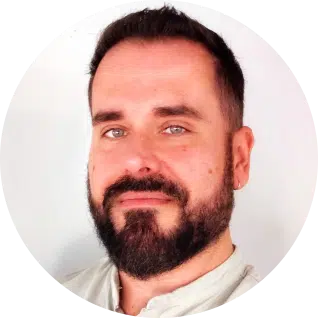
Héctor Lozano Jiménez
General Health Psychologist · Director · COPAO AN 11777
He works from a practical and psychoeducational approach, especially with teenagers and adults, helping people understand what is happening, develop concrete skills and move forward with clear goals.

Rocío Rodríguez Boza
General Health Psychologist · COPAO AN 13748
She supports emotional processes, trauma, relationships, self-esteem, anxiety and life difficulties, especially with teenagers and adults, from an integrative and warm approach.

María Ángeles Sanz Ruiz
General Health Psychologist · COPAO AN 12933
She offers psychological care at Ocnos Psychology Clinic with a warm, careful and clinically responsible approach, helping patients and families understand what is happening and take the next step.
Psychological therapy session: 70 €
Asking for help can already bring enough uncertainty. That is why we want you to know the session fee before you book.
Therapy session
Approximate duration: 55–60 minutes. Sessions can be face-to-face in Palmones or online, depending on the case and professional availability.
What to know before booking
The first session is a space to listen to your situation, understand what is worrying you, gather relevant information and consider what type of support may help. You do not need to have everything clear before coming.
Psychological assessments, reports, neuropsychological evaluations or specific processes may have a separate fee depending on the request and the tests required.
What patients say about Ocnos Psychology Clinic
Reviews can help other people decide whether this may be the right space for them. Here we show real Google reviews about our psychology clinic in Palmones.
Reviews displayed through Trustindex.


Psychologists in Palmones, near Algeciras, Los Barrios, La Línea, San Roque, Sotogrande and Gibraltar
Our clinic is located in Edificio Azabache, Palmones. It is a convenient location for people coming from different areas of Campo de Gibraltar, with easy access and nearby parking.
Ocnos Psychology Clinic
Face-to-face psychological care in a calm, professional and carefully designed setting.
Address
Edificio Azabache, First Floor, Office 10
11379, Palmones, Cádiz
Authorised healthcare centre Ocnos Psychology Clinic · NICA 70075
Phone and WhatsApp +34 680 414 592
How to get here Open location in Google Maps
Clinical rigour, warmth and a clear way of working
Good therapy should not feel like an interrogation, nor like a conversation with no direction. At Ocnos, we seek a balance: human listening, deep understanding and concrete steps.
No judgement or rushed labels
We first understand your story, your context and what you need. Then we suggest a way forward.
Goals that can be reviewed
Therapy should help you notice changes in your life, not only talk about what hurts.
Specialised team
We work with individual therapy, couples, sexuality, assessment, neuropsychology, childhood and eating behaviour.
Real local presence
We are a physical clinic in Palmones, offering local support for Campo de Gibraltar and online appointments.

Coming to therapy does not mean having all the answers
Many people wait too long because they feel they should be able to solve things alone, because they feel embarrassed to ask for help, or because they do not know how to explain what is happening. In reality, booking a first appointment can be the first step towards understanding it.
At Ocnos, we support many different situations: anxiety, low mood, relationship conflict, concerns about a child, difficulties with food, psychological assessment or personal processes that need a professional space.
Common questions before booking
It is normal to have doubts before starting. Here we answer some of the questions that often come up before the first session.
How much does a therapy session at Ocnos cost?
A psychological therapy session costs 70 € and lasts approximately 55–60 minutes. Psychological assessments, reports or specific processes may have a separate fee.
Do you work with children and teenagers?
Yes. At Ocnos, we work with children, teenagers and families. Depending on age, needs and availability, we guide the appointment towards the professional who is best placed to support the case.
Can I call if I do not know where to start?
Yes. You can call us for a brief guidance conversation. We will listen, answer initial questions and help you consider whether individual therapy, couples therapy, psychological assessment, neuropsychology or another type of support may fit best.
What happens in the first session?
In the first session, we listen to what is worrying you, gather relevant information and guide you towards the type of support that may fit best. We also answer questions about frequency, format and next steps.
Can I book even if I do not know what type of therapy I need?
Yes. You do not need to arrive with a complete explanation. In the first session, we listen to your situation and guide you towards the kind of support that may be most helpful.
Can therapy be online?
Yes. We offer face-to-face appointments in Palmones and online therapy when the case allows it and the format fits the person’s needs.
Do you offer therapy in English?
Yes. Part of the team can provide therapy in English, which can be helpful for people and families from Gibraltar, Sotogrande and international backgrounds.
Where is Ocnos Psychology Clinic?
We are located in Edificio Azabache, First Floor, Office 10, in Palmones, Cádiz. The location is convenient for people from Los Barrios, Algeciras, La Línea, San Roque, Sotogrande and Gibraltar.

Taking the first step does not mean having everything clear
You can book an appointment even if you do not yet know exactly what you need. We will listen to you, consider your situation and guide you honestly towards the most appropriate path for you or your family.
Latest resources, guides and articles
Psychology explained with clinical rigour and in clear, accessible language. We publish practical resources on mental health, relationships, children and teenagers, psychological assessment, neuropsychology and everyday situations that can cause distress.

Perfectionism in highly able children and teenagers: when it helps and when it gets in the way
Wanting to do something very well is not a problem. Perfectionism becomes more concerning when fear of mistakes, harsh self-criticism or the need to get everything exactly right leads to avoidance, delay, distress or less learning. This guide explains what research tells us about perfectionism and high ability and offers practical tools for families and teenagers.

High ability and ADHD or autism: understanding twice exceptionality
A child can have very high intellectual ability and still need substantial support because of ADHD or autism. This guide explains twice exceptionality, why strengths and difficulties may hide one another, how assessment can make sense of an uneven profile, and how families and schools can support needs without suppressing talent.

High ability and school underachievement: why they can coexist
High ability does not guarantee top grades. This guide explains why strong intellectual potential can coexist with low or inconsistent school performance, the roles of motivation, executive functions, perfectionism and twice exceptionality, and how to help without reducing the problem to “they could do it if they wanted to”.

Hobosexuality: what it is and how housing shapes relationships
When rent stretches the budget, sharing a home can mean love, savings or necessity. Héctor Lozano explores hobosexuality and practical living arrangements with gentle humour and without easy labels.

Autism in adults: understanding a late diagnosis and finding support
Receiving, or considering, an autism diagnosis in adulthood can make many past experiences look different. This guide explains why autism may go unrecognised, how adult assessment works, what masking can cost and what practical support may help in everyday life.

ADHD in adult women: signs that can go unnoticed
ADHD in adult women can be hidden behind effort, perfectionism, anxiety or demanding organisational systems. This guide explains signs worth noticing, how a careful assessment works and includes private interactive exercises to help you understand your own patterns without turning them into a self-diagnosis.

ADHD in children: signs, assessment and support at home and school
ADHD in children cannot be identified from one behaviour or confirmed by one test. This guide explains signs worth noticing, how a careful assessment works, and practical ways to support children at home and at school.

World Mental Health Day 2026: real voices, real change
World Mental Health Day is marked on 10 October. In 2026, the WHO is asking us to move beyond simply hearing people with lived experience and towards meaningful participation and real change. We explain what the day means, how to support mental health and when to seek help.
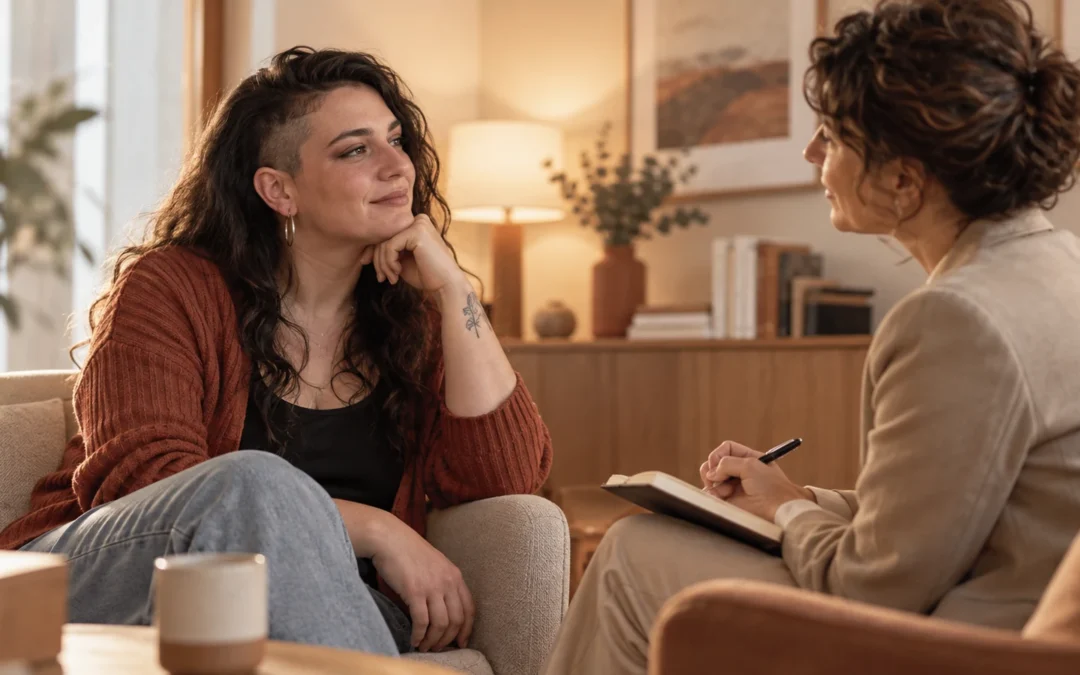
Transphobia and discrimination: what to do and where to get help in Spain
A practical map for responding after transphobia or discrimination: get safe, describe the facts, preserve useful information, choose the right support and reclaim space for the rest of your life.
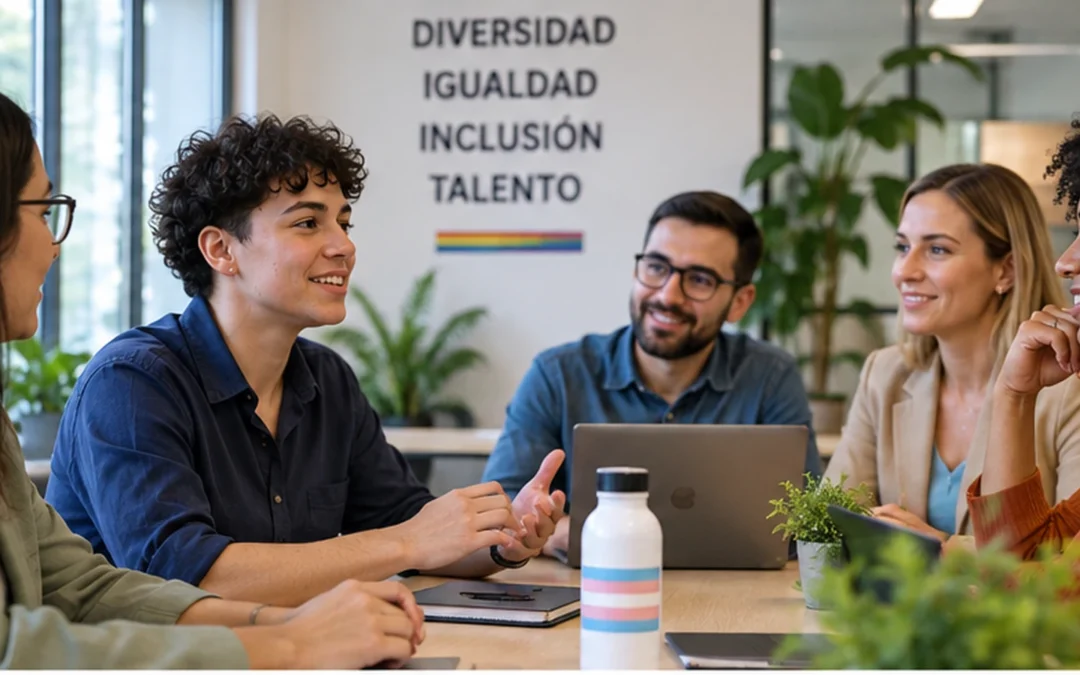
Trans people at work: privacy, respect and workplace wellbeing
How to decide what to share at work, organise name and system changes, speak with HR and protect your wellbeing without making your identity the centre of your career.

Trans people from abroad in Spain: documents, residence, healthcare and support
A practical guide to understanding which authority controls each document when your passport, residence records and Spanish documents may belong to different systems.

Documents to update after a registered sex change in Spain: a practical guide
A priority-based guide to updating the systems you actually use after a registered change, without trying to change everything in one day or assuming every organisation synchronises in the same way.