

Autism spectrum assessment for children, teenagers and adults in Campo de Gibraltar
At Ocnos Psychology Clinic, we provide careful autism spectrum assessment using clinical interview, observation, psychological testing and guidance. The aim is not to reduce a person to a label, but to understand how they function, their strengths, their difficulties and the support that may be useful in everyday life.
Understanding before intervening
Autism does not present in exactly the same way in every person. Some people have very visible support needs, while others have spent years learning to adapt, sometimes at the cost of significant tiredness, anxiety or overload.
A good assessment therefore should not be limited to checking a list of symptoms. It is important to understand developmental history, communication, social relationships, interests, sensory processing, flexibility, emotional regulation and the context in which the person lives.
At Ocnos Psychology Clinic in Palmones, we work from a clinical, neuropsychological and compassionate perspective. We see people and families from across Campo de Gibraltar, with convenient access from Algeciras, La Línea de la Concepción, San Roque, Los Barrios, Sotogrande and Gibraltar.
Key idea: assessment does not mean assuming a diagnosis in advance. It means gathering enough information to understand which explanation best fits the difficulties, what strengths are present and what support may be helpful.

When an autism spectrum assessment may be helpful
Autistic people do not all show the same characteristics, and not every social difficulty means autism. A professional assessment can be useful when differences are persistent, raise significant questions or affect everyday life, learning, relationships or wellbeing.
In children
There may be differences in communication, play, flexibility, responses to change or sensitivity to sounds, textures, lights or particular routines.
- Difficulty sharing interests or joining in play.
- Strong distress when unexpected changes occur.
- Highly absorbing or repetitive interests.
- Difficulty understanding unspoken social rules.
In teenagers
Differences can sometimes become more noticeable as the social, academic and emotional demands of adolescence increase.
- Marked tiredness after social situations.
- A frequent sense of not fitting in with peers.
- A strong need for predictability or routine.
- Anxiety, shutdown or irritability when overloaded.
In adults
Some people reach adulthood without having been assessed, particularly if they have spent many years masking or compensating for their difficulties.
- Exhaustion after sustaining certain social interactions.
- Difficulty understanding implicit social dynamics.
- A history of anxiety, social shutdown or feeling misunderstood.
- A wish to better understand their own way of functioning.

What we look at during the assessment
Autism spectrum assessment involves looking at several areas of functioning. Some people come because family, school or the workplace has noticed difficulties; others seek assessment after spending a long time trying to understand why particular situations feel unusually demanding.
Social communication
How the person starts, maintains and understands interactions, including verbal, non-verbal and pragmatic aspects of communication.
Flexibility and routines
How they respond to changes, unexpected events, transitions, new rules or situations with little structure.
Sensory profile
Possible sensory sensitivities or sensory-seeking responses involving sound, light, textures, smells, movement or physical contact.
Emotional regulation
How the person manages frustration, anxiety, overload, shutdown, irritability or tiredness in response to particular demands.
How autism spectrum assessment works at Ocnos
We adapt the process to the person's age, reason for assessment and individual needs. There is no single sequence that suits everyone, but the assessment will usually combine interview, observation, psychological tests where they add useful information, and a final feedback session.
Initial interview
We explore the reason for assessment, developmental history, family, educational or work context, and the questions that have led the person or family to seek an assessment.
Clinical observation
We explore communication, interaction, flexibility, play or conversation, emotional regulation and responses to different tasks or situations.
Psychological tests
When they can provide useful information, we use questionnaires and standardised psychological measures suited to the person's age and the reason for assessment.
Feedback and guidance
We explain the findings in understandable language, answer questions and suggest practical recommendations for everyday life.
Price of an autism spectrum assessment
We want the cost and the steps involved to be clear from the start. Sessions are paid individually, and only those that are clinically justified for the case are carried out.
€70 per session
The price includes the clinical work carried out during the session: interview, observation, administration of psychological tests where appropriate and assessment of the information gathered.
If external questionnaires or psychological tests are needed as part of the assessment, they are integrated into the assessment sessions.
More complex assessments may require approximately 4 to 7 sessions, although each case is planned individually.
Before moving to the next stage, we explain what information is still needed, what a test may add and why it may be useful in that particular case.
A full report when needed
In some cases, as well as verbal feedback, a full psychological report may be useful. The report is charged separately because it requires additional technical work outside the assessment sessions.
Preparing the report may require approximately 2 to 3 hours of professional work, depending on the complexity of the case, the tests administered and the level of detail required.
What the report may include
- Reason for assessment and relevant history.
- Psychological tests used.
- Results and clinical interpretation.
- A description of strengths, difficulties and support needs.
- Recommendations for the family and everyday life.
- Guidance for educational, academic or work settings where appropriate.
- Conclusions written in clear and useful language.
A good report should not simply be a collection of scores. It should help the person and those supporting them understand the findings and make practical decisions based on the information gathered.
Autism, ADHD, anxiety, high abilities or social difficulties
An important part of assessment is considering which explanation best fits what is happening. Some outward signs may overlap: a person with social anxiety may avoid interactions; someone with ADHD may experience difficulties with organisation and regulation; a person with high abilities may feel different from their peers; and an autistic person may experience sensory overload, a strong need for predictability or social exhaustion.
We therefore do not draw conclusions from one sign or one test in isolation. We consider the overall picture: development, context, emotional history, cognitive functioning where relevant, adaptive behaviour, relationships, sensory processing and possible co-occurring conditions.

Understanding the findings and turning them into useful support
The process does not end when a clinical conclusion is discussed. For many people and families, the most important stage comes afterwards: understanding what the information means, what changes and what does not, and how the environment can be adjusted without reducing the person to a diagnosis.
Guidance for home
Recommendations to anticipate change, reduce overload, make communication clearer and adjust expectations when needed.
Educational guidance
Where appropriate, we help translate the findings into support needs that can be understood by the family and educational setting.
Personal understanding
For teenagers and adults, understanding their own profile can help make sense of years of uncertainty, masking strategies or demands that have not suited them well.
Assessment informed by a broad psychological perspective
At Ocnos Psychology Clinic, we work from a clinical, thorough and compassionate perspective. Assessment may involve emotional, behavioural, family, educational and neuropsychological factors. Our shared aim is to understand the person properly before recommending support.

Héctor Lozano Jiménez
General Health Psychologist · Director
“A good assessment should not stop at a label: it should help the person and their family understand what is happening and which supports make sense.”

María de los Ángeles Sanz Ruiz
General Health Psychologist
“Understanding a person's profile means looking at development, learning, emotions and context, rather than focusing on one behaviour in isolation.”

Rocío Rodríguez Boza
General Health Psychologist
“Supporting a person means listening to their story, validating their experience and offering an explanation that does not reduce their identity to a diagnosis.”
A calm space for assessment, explanation and support
Ocnos Psychology Clinic is located in the Edificio Azabache in Palmones. We are a registered healthcare psychology clinic, NICA 70075. The space has been designed to provide a professional, warm and calm environment, which can be particularly helpful when there is anxiety, sensory sensitivity or tiredness around unfamiliar situations.
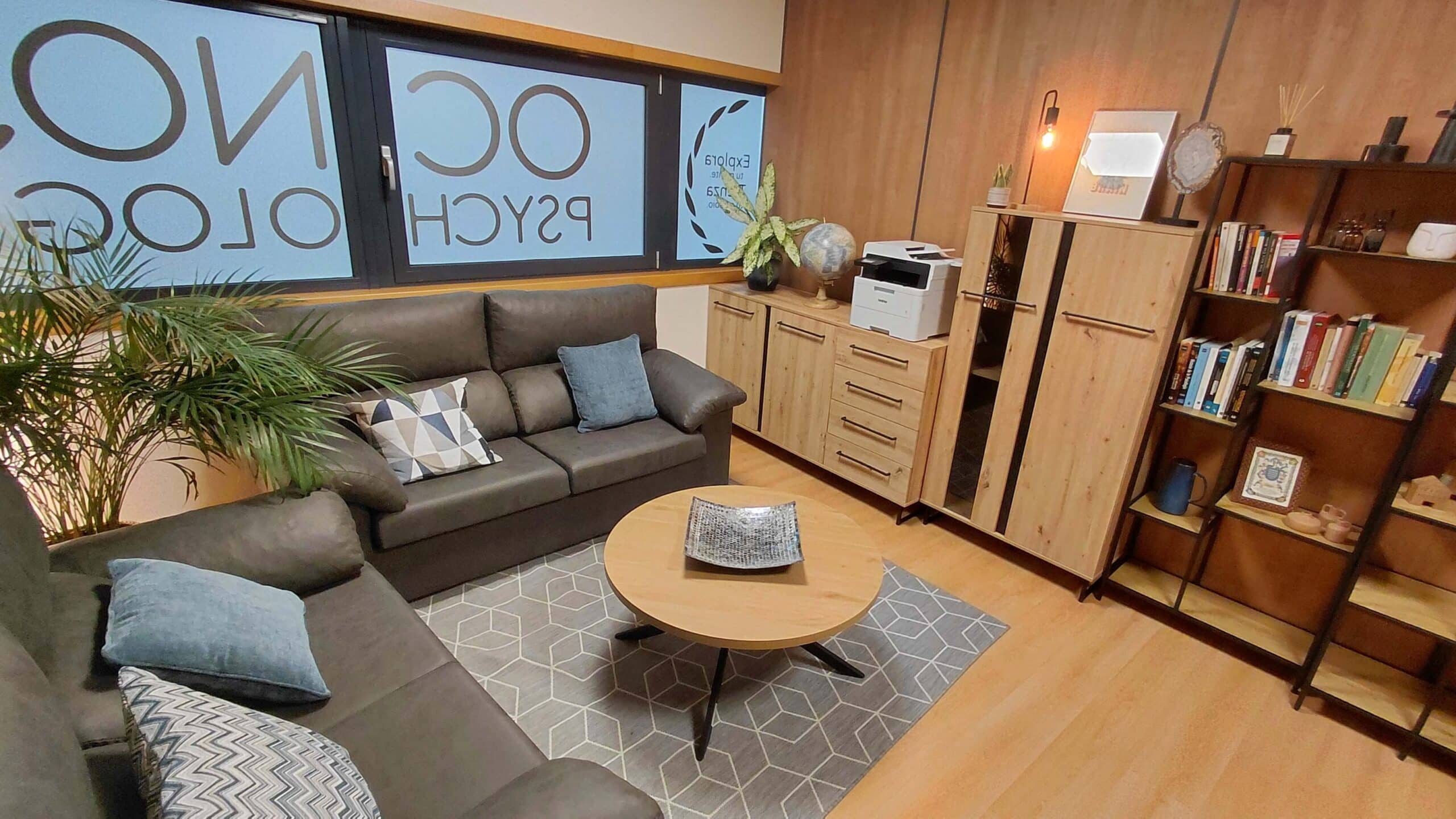
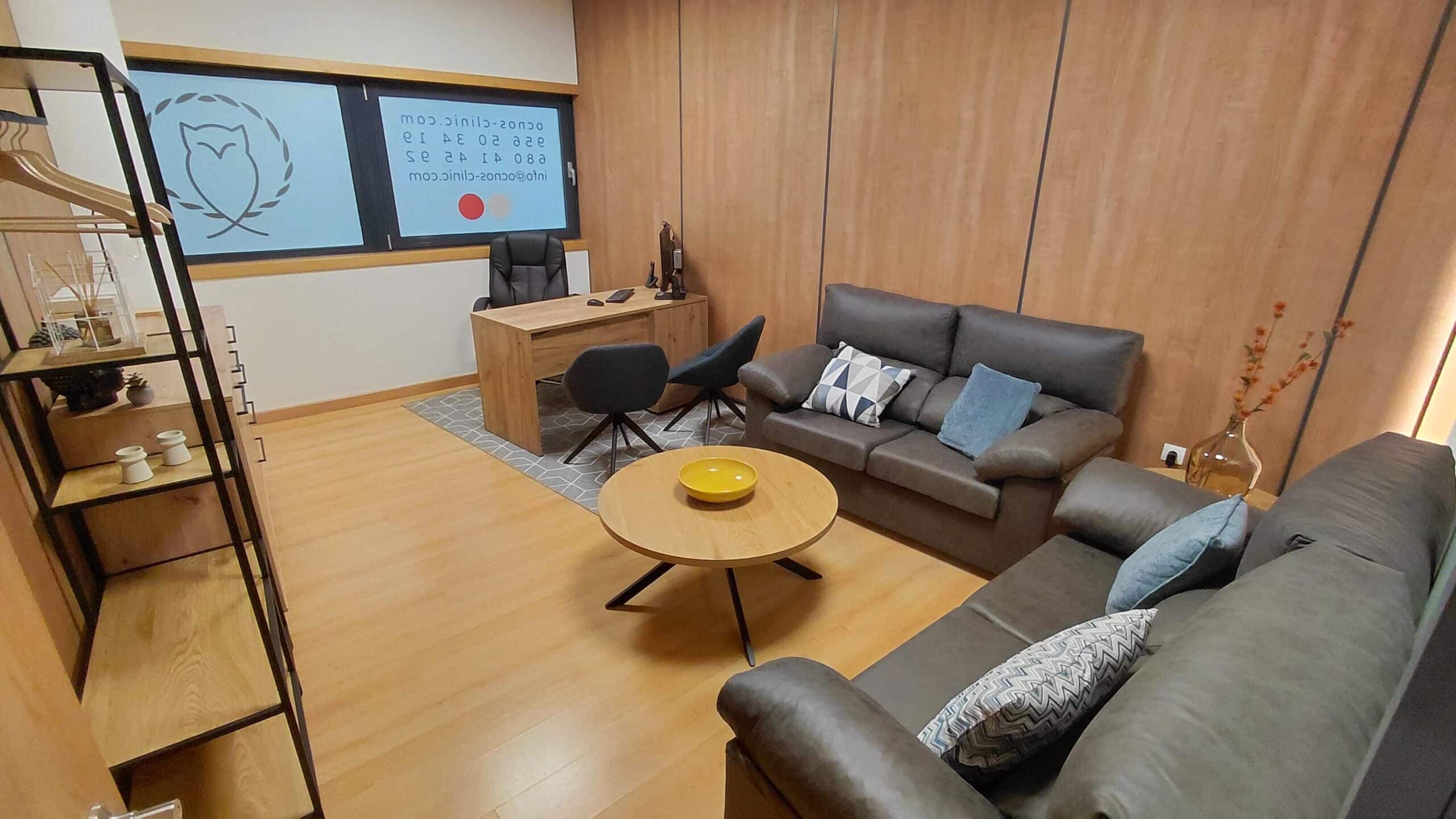
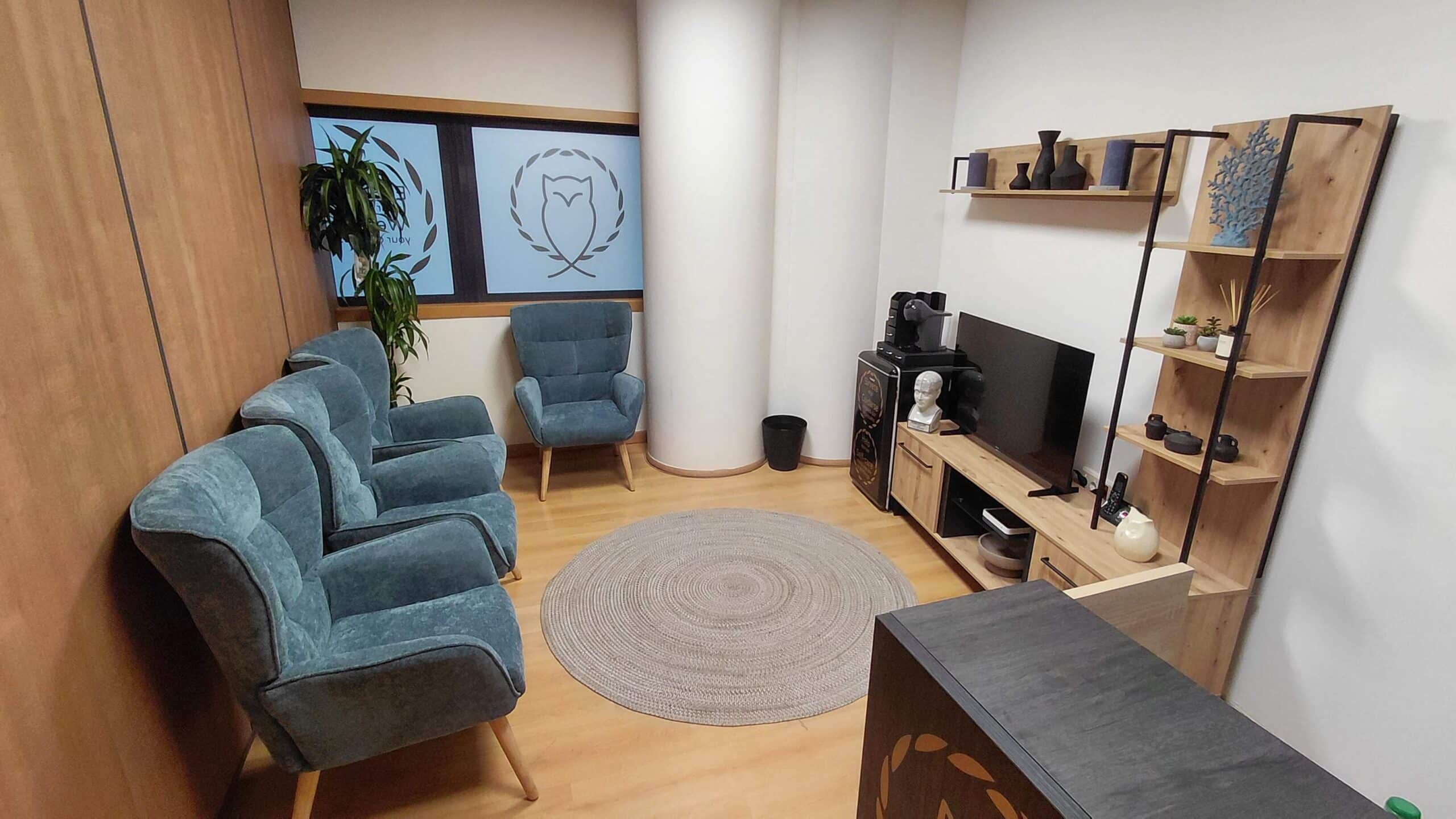
Autism spectrum assessment near Algeciras, La Línea and San Roque
Our clinic is in Palmones, an accessible location for people and families from Los Barrios, Algeciras, La Línea de la Concepción, San Roque, Sotogrande and Gibraltar.
Being nearby can make the process easier when several in-person sessions, family interviews, psychological testing or detailed feedback are needed.
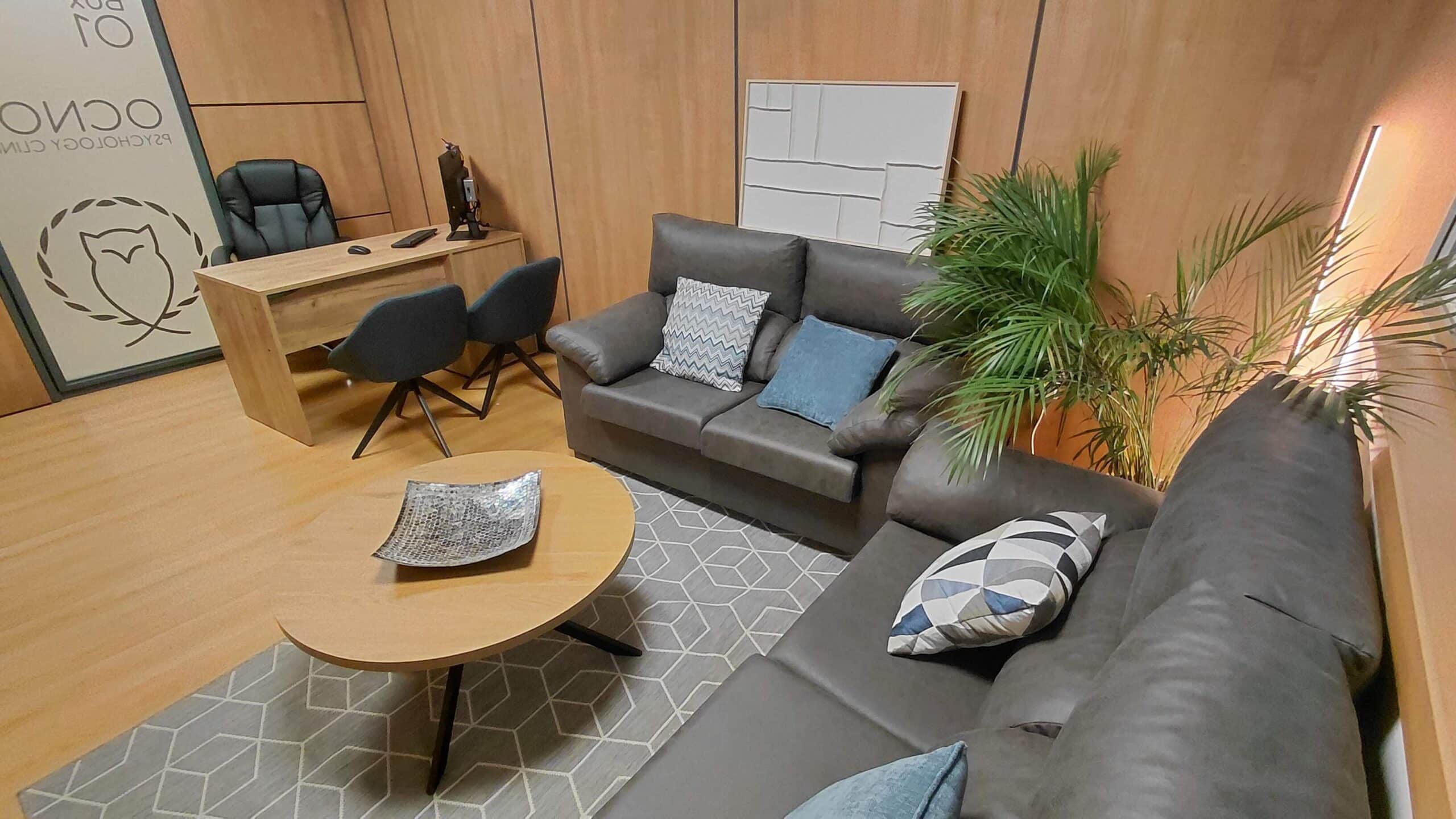
Ocnos Psychology Clinic in Palmones
We are in the Edificio Azabache, First Floor, Office 10, in Palmones. The clinic is conveniently located for people travelling from different parts of Campo de Gibraltar and Gibraltar.
Address and contact
Ocnos Psychology Clinic
Edificio Azabache, First Floor, Office 10
11379 Palmones, Cádiz
Registered healthcare centre · NICA 70075
If you are unsure whether an autism spectrum assessment is the right next step, you can contact the clinic and briefly explain what has led you to consider an assessment. We can help you identify what type of appointment is most appropriate.
Reviews of Ocnos Psychology Clinic
Reviews can offer a general sense of other people's experience with the clinic. They do not determine whether a particular professional or assessment process is right for your individual situation.
Google reviews displayed through Trustindex.


Frequently asked questions about autism spectrum assessment
What is an autism spectrum assessment?
It is a psychological assessment process that brings together information about social communication, flexibility, sensory processing, emotional regulation, developmental history and everyday functioning. The aim is to understand whether the person's characteristics are compatible with an autism spectrum profile and what other explanations should also be considered.
At what age can autism be assessed?
Autism can be assessed in childhood, adolescence and adulthood. The process changes according to age, language, the reason for assessment, the information available about development and the person's current demands.
Can a single test confirm or rule out autism?
No single test should be interpreted in isolation. Assessment is based on integrating interview information, developmental history, clinical observation, contextual information and psychological testing where it adds useful evidence.
What is the difference between autism, ADHD, anxiety and high abilities?
They can share some outward features, such as social difficulties, emotional intensity, regulation difficulties or feeling different from other people. However, the underlying patterns and support needs may be different. Differential assessment aims to understand which explanation best fits the person's overall history and functioning.
How many sessions are needed?
It depends on age, the complexity of the case and the information already available. More complex assessments may require approximately 4 to 7 sessions, but the process is not treated as a fixed package and is adjusted to the individual.
How much does an autism spectrum assessment cost?
Psychological assessment sessions cost €70 per session. The number of sessions depends on the case and on the interviews or psychological tests needed to carry out a responsible assessment.
Are psychological tests included?
When questionnaires or external psychological tests are needed as part of the assessment, they are integrated into the assessment sessions. We explain beforehand what information a particular measure may add to the case.
Is the psychological report included in the assessment sessions?
No. A full psychological report is priced separately because it involves additional technical work outside the sessions. It may include tests used, results, clinical interpretation, conclusions and practical recommendations for relevant settings.
Do you also assess autism in adults?
Yes. Adult assessment pays particular attention to life history, adaptation or masking strategies, social exhaustion, sensory differences, the need for predictability and the person's current demands.
Where does the assessment take place?
In-person assessment takes place at Ocnos Psychology Clinic in the Edificio Azabache, First Floor, Office 10, in Palmones, Cádiz. We see people from across Campo de Gibraltar, Gibraltar and nearby areas.
Are you wondering whether an autism spectrum assessment may be helpful?
If you, your child or someone in your family needs an assessment, we can help clarify what may be happening, what information needs to be explored and which next steps may make sense.
Latest resources on psychological assessment and neuropsychology
Our clinical resources explore psychological assessment, neuropsychology, neurodevelopment, learning difficulties and emotional wellbeing. They can provide general guidance, but they do not replace an individual assessment when difficulties are persistent or significantly affect daily life.
Adult ADHD: signs, symptoms and self-test
For adults who are wondering about attention difficulties, impulsivity, organisation problems or procrastination.
Read articlePsychological trauma: assessment and therapy
Understanding when earlier experiences may still affect emotions, the body and a person's sense of safety.
Read articleDyslexia in Campo de Gibraltar
Information for families noticing persistent difficulties with reading, writing, comprehension or school performance.
Read articleIndicative high abilities test
An initial resource for families wondering about high potential, intensity or a mismatch with the school environment.
Read articleChallenging behaviour
A clinical perspective on what difficult behaviour may be communicating and how to respond more thoughtfully.
Read articleDepressive symptoms self-check
A resource for noticing possible signs of low mood and considering when professional support may be useful.
Read article
Perfectionism in highly able children and teenagers: when it helps and when it gets in the way
Wanting to do something very well is not a problem. Perfectionism becomes more concerning when fear of mistakes, harsh self-criticism or the need to get everything exactly right leads to avoidance, delay, distress or less learning. This guide explains what research tells us about perfectionism and high ability and offers practical tools for families and teenagers.

High ability and ADHD or autism: understanding twice exceptionality
A child can have very high intellectual ability and still need substantial support because of ADHD or autism. This guide explains twice exceptionality, why strengths and difficulties may hide one another, how assessment can make sense of an uneven profile, and how families and schools can support needs without suppressing talent.

High ability and school underachievement: why they can coexist
High ability does not guarantee top grades. This guide explains why strong intellectual potential can coexist with low or inconsistent school performance, the roles of motivation, executive functions, perfectionism and twice exceptionality, and how to help without reducing the problem to “they could do it if they wanted to”.

Autism in adults: understanding a late diagnosis and finding support
Receiving, or considering, an autism diagnosis in adulthood can make many past experiences look different. This guide explains why autism may go unrecognised, how adult assessment works, what masking can cost and what practical support may help in everyday life.

ADHD in adult women: signs that can go unnoticed
ADHD in adult women can be hidden behind effort, perfectionism, anxiety or demanding organisational systems. This guide explains signs worth noticing, how a careful assessment works and includes private interactive exercises to help you understand your own patterns without turning them into a self-diagnosis.

ADHD in children: signs, assessment and support at home and school
ADHD in children cannot be identified from one behaviour or confirmed by one test. This guide explains signs worth noticing, how a careful assessment works, and practical ways to support children at home and at school.

Autistic masking in girls and teenagers: when fitting in takes too much effort
Some autistic girls and teenagers appear to cope well on the outside while spending enormous energy observing, copying, rehearsing or hiding needs in order to fit in. This guide explains autistic masking, the possible costs of that invisible effort, and practical ways to support a young person without turning masking into a self-test.
Autism interventions and support: what has evidence and how to spot pseudoscience
There is no single therapy for autism. This guide explains how to assess interventions, which supports have evidence for specific goals, and which warning signs should make families question a treatment claim.

Sensory differences in autism: noise, clothing, food and overload
Sounds, fabrics, lights, smells and food textures can be experienced very differently by autistic children and teenagers. This guide explains hyper- and hypo-reactivity, sensory overload and practical ways to make home, school and everyday life more accessible.