


Blog category · Anxiety
Anxiety: clear psychological information, useful resources and articles to help you understand what is happening
In this Ocnos Psychology Clinic blog category, we bring together content on anxiety written from a clinical, accessible and responsible perspective. Here you will find articles to help you understand how anxiety appears, which signs are worth taking seriously, when it starts interfering with daily life and what kind of psychological support may be helpful.
We will continue publishing resources on anxiety in adults, night-time anxiety, difficulty sleeping, work-related anxiety, hypervigilance, emotional blocks, constant worry, physical symptoms, avoidance, anxiety in relationships and anxiety in sexuality.
The aim of this category: to offer reliable, in-depth content for people living with anxiety, relatives who want to better understand it and readers looking for serious, useful and human psychological guidance.
Clinical perspective
Articles written with psychological rigour and a responsible tone.
Clear explanations
Content designed to help you understand anxiety without unnecessary jargon.
Useful orientation
Resources to know when anxiety may require professional support.
Local support
Psychological care in Palmones, near Gibraltar and Sotogrande.
What you will find in this anxiety category
We publish articles that answer real questions many people ask before starting therapy: what anxiety is, how it differs from temporary stress, which symptoms commonly appear, why it sometimes shows up in the body, how it affects sleep, work, social life or sexuality, and when it may be worth considering professional help.
You will also find content on specific experiences related to anxiety, such as a constant sense of alertness, mental rumination, emotional blocks, difficulty switching off, fear of losing control, work-related anxiety and the impact of certain relational contexts on psychological distress.
This category also links to other Ocnos resources, such as our anxiety treatment, online therapy, depression treatment and related articles when anxiety appears connected with relationships, sexuality or emotional exhaustion.
Important: anxiety can express itself in many ways and it does not look the same in everyone. Reading about it can help you understand what may be happening, but it does not replace an individual assessment. If distress continues or limits your daily life, asking for psychological help can be an important step.
Articles reviewed from a health psychology perspective
The Ocnos blog is written and reviewed by professionals from the clinic. Our aim is to share careful information that helps people understand their experience without self-diagnosing or replacing an individual assessment.

Rocío Rodríguez Boza

María Ángeles Sanz Ruiz

Anxiety is not always obvious
Anxiety does not always appear as a panic attack. Sometimes it looks like overthinking, tension, irritability, difficulty sleeping, fear of making mistakes, avoiding conversations, feeling blocked or living with the body constantly on alert.
In therapy, we explore how anxiety works in your specific case: what triggers it, what keeps it going, what you do to cope and what changes may help you live with more flexibility and less fear.
A useful starting point: instead of asking “how do I eliminate anxiety?”, therapy often begins by understanding what your anxiety is trying to protect you from and how that protection may have become exhausting.


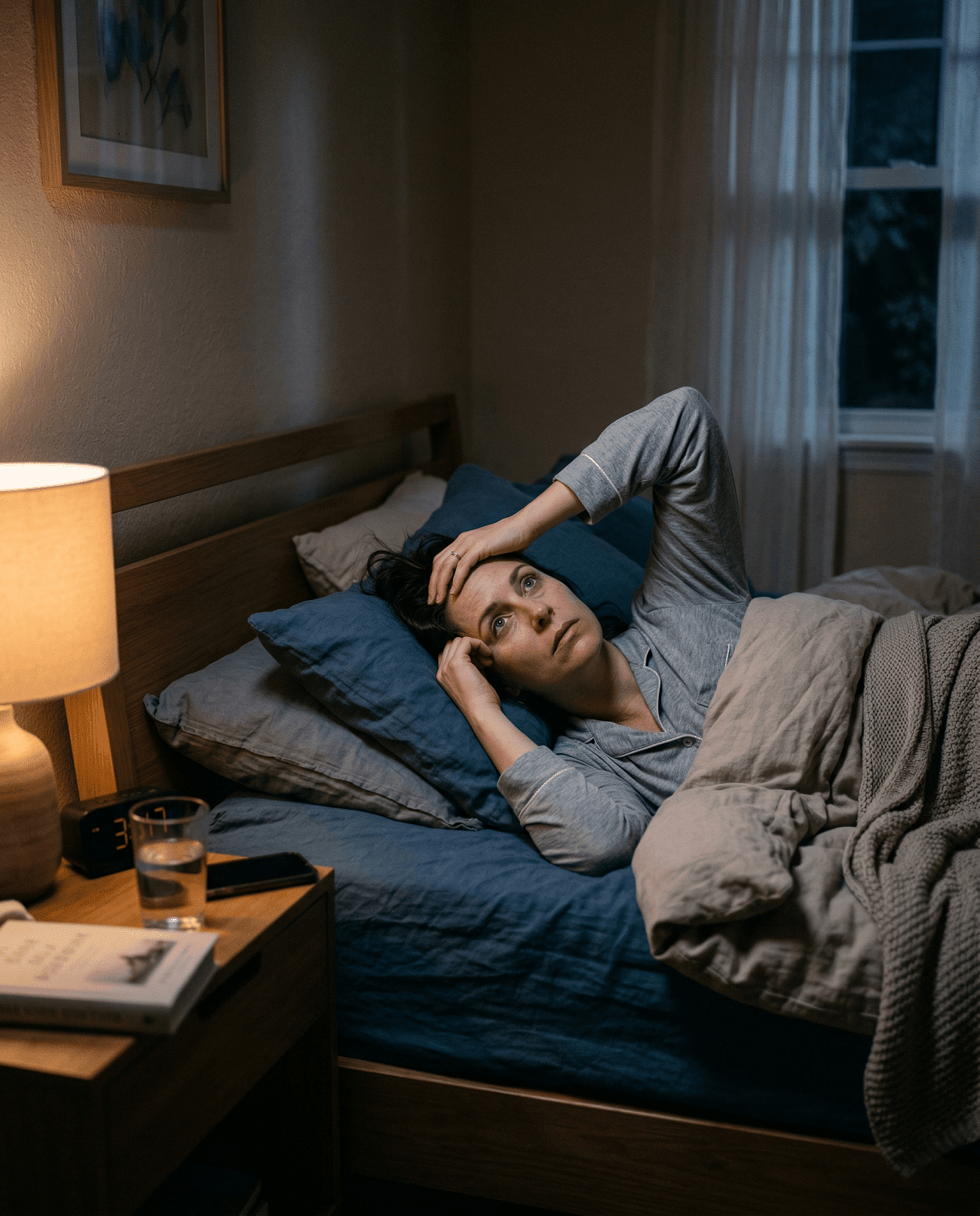
Resources on anxiety written from clinical psychology
This category will continue to grow with new articles and resources from Ocnos Psychology Clinic, answering frequent questions about anxiety in a rigorous, useful and natural way. If you need professional support, you can also take the first step towards an initial assessment.
Ocnos Psychology Clinic offers psychological care in Palmones, near Gibraltar and Sotogrande, with professional support for anxiety, depression, OCD, trauma, couples therapy, sexuality, affirmative therapy and psychological assessment.

The Ultimate Guide to Psychological Assessment: Understanding, Finding Answers and Healing

The Other Side of Christmas: A Psychological Guide to Managing Sadness, Grief and Social Pressure

Generalised Anxiety Disorder (GAD) Treatment: What Works and What Therapy Is Like
Generalised anxiety disorder can leave your mind constantly anticipating problems, even when nothing urgent is happening. This guide explains what keeps worry going, which treatments have the strongest evidence and practical ways to change your relationship with uncertainty.