


No Results Found
The page you requested could not be found. Try refining your search, or use the navigation above to locate the post.

Articles from Ocnos Psychology Clinic to help you understand what a psychological assessment is, when it may be useful and how it can clarify symptoms, learning, attention, emotional functioning and treatment decisions.
A psychological assessment can help organise information that often arrives mixed together: symptoms, history, context, learning difficulties, emotional patterns, family concerns and everyday functioning.
In this category we publish resources to explain when an assessment may be helpful, what it can and cannot clarify, and why a careful clinical interpretation matters. The aim is not to collect labels, but to understand what is happening well enough to guide the next step with greater precision.
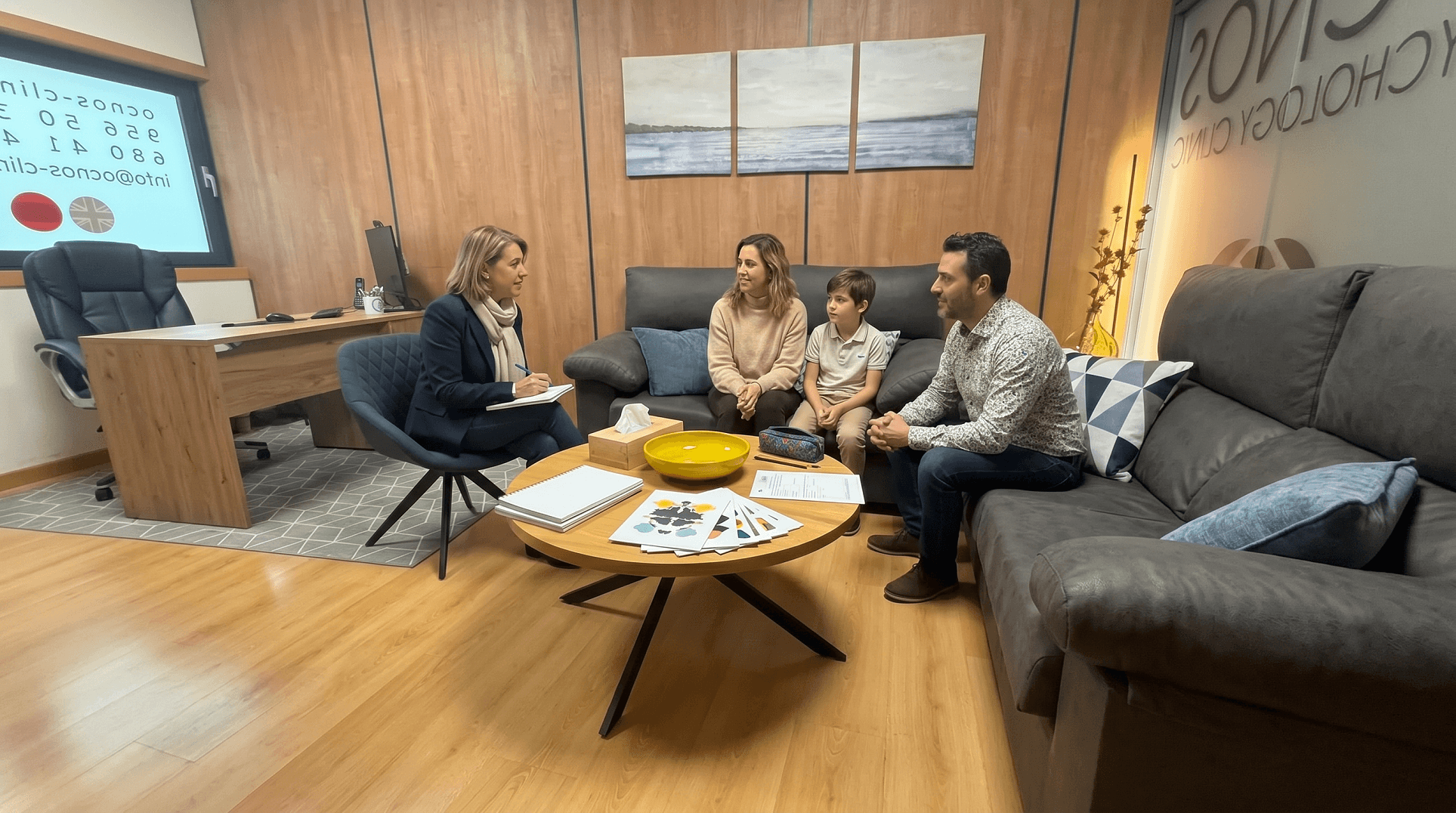
Articles designed to answer common questions before, during or after an assessment process.
What a psychological assessment is, when it may be recommended and how it differs from an isolated test.
Resources on ADHD, dyslexia, learning difficulties, organisation and executive functioning.
How assessment can help when anxiety, depression, intrusive thoughts or emotional distress are difficult to understand.
How a clear assessment can support decision-making at home, at school and in the therapeutic process.
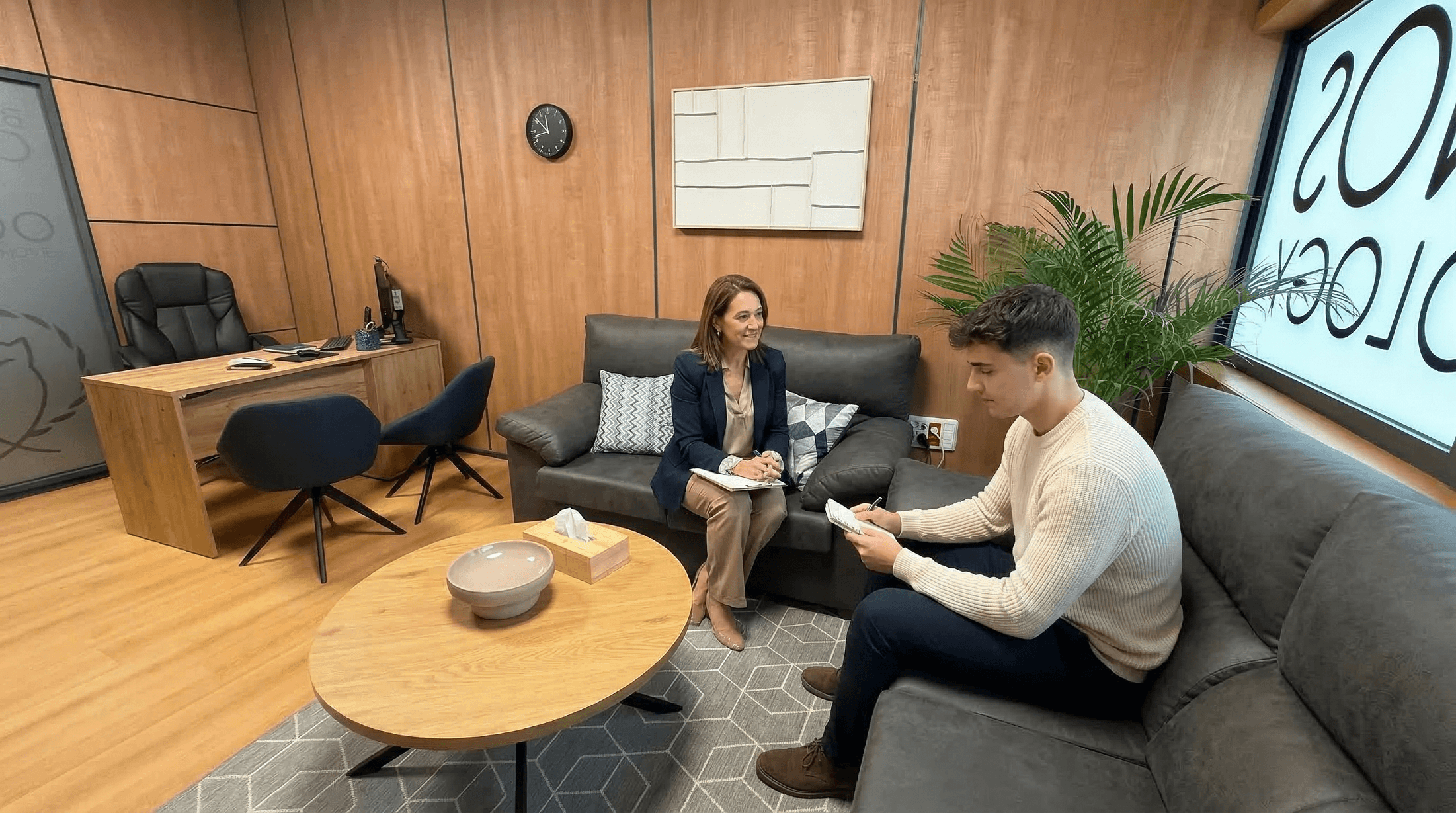
Questionnaires and tests can provide useful information, but they only make sense when interpreted within the person’s history, context, needs and daily life.
These internal resources help connect the articles in this category with clinical services and related areas.
Online self-checks can help a person notice patterns, but their results need careful interpretation. A professional assessment looks at the whole picture: symptoms, context, history, functioning and impact on daily life.

A well-planned assessment can help differentiate specific learning difficulties and guide support more accurately.

Assessment can help clarify whether symptoms are related to anxiety, depression, stress, trauma or another clinical pattern.

In difficulties such as OCD, understanding the maintaining cycle helps guide a more precise therapeutic plan.
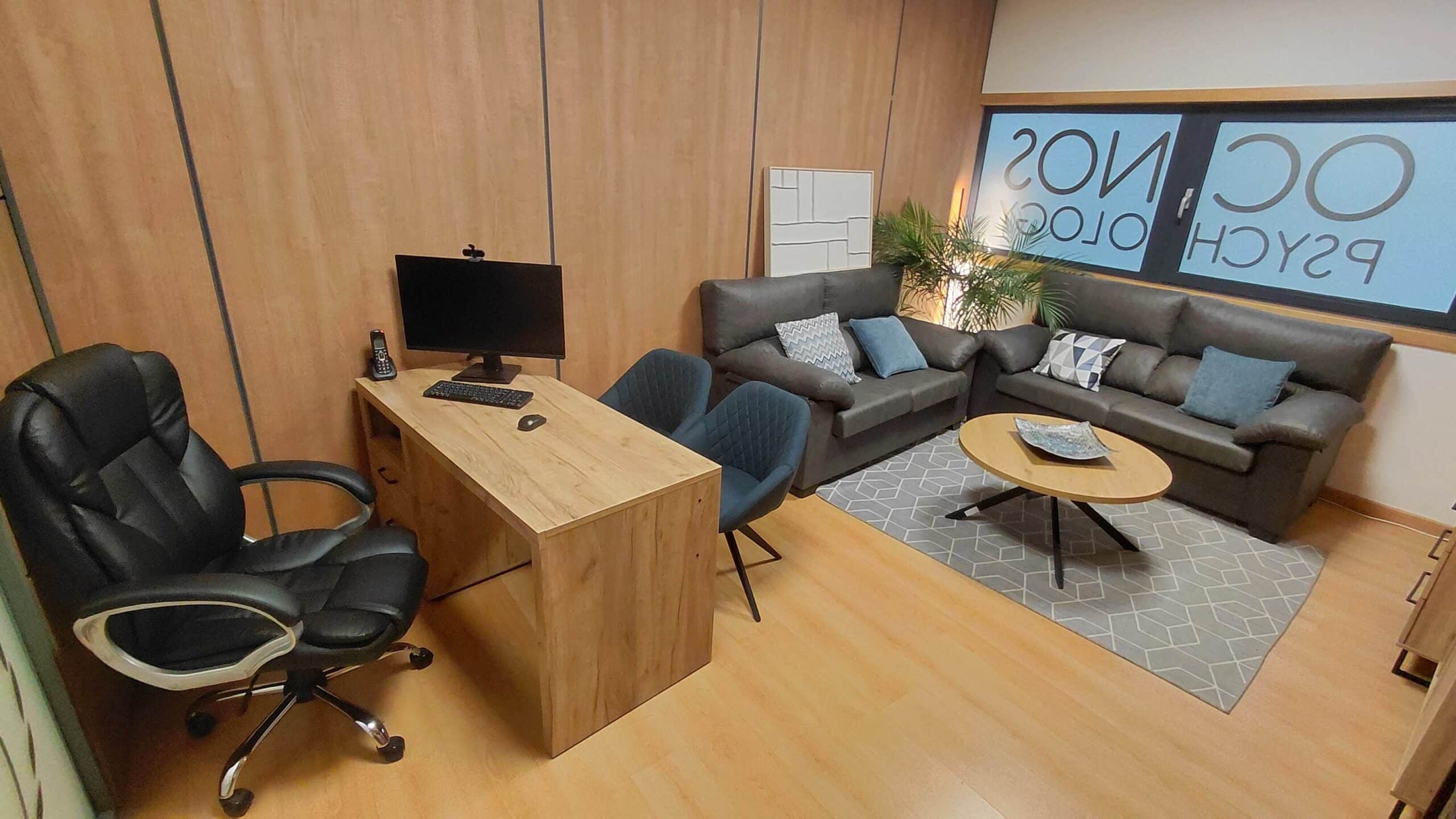
Ocnos Psychology Clinic publishes resources from a clinical, responsible and accessible perspective. The aim is to help readers understand psychological assessment without turning complex experiences into simplistic labels.

General Health Psychologist · Director of Ocnos Psychology Clinic · COPAO AN11777.
View profile →
General Health Psychologist · Integrative approach · Trauma, children, teenagers and adults · COPAO AN13748.
View profile →
General Health Psychologist · Relational, emotional and contextual perspective · COPAO AN12933.
View profile →Reviews do not replace a clinical assessment, but they can help you understand how other people experience the care, warmth and support offered at the clinic.
At Ocnos Psychology Clinic we can help you understand whether an assessment makes sense for your situation and what type of process may be most useful.
Ocnos Psychology Clinic
Edificio Azabache, First Floor, Office 10
11379 Palmones, Cádiz
Psychological assessment, neuropsychology, ADHD, dyslexia, autism, high abilities and clinical guidance.
Phone: +34 680 414 592
Assessment serviceExplore the latest articles on psychological assessment, neuropsychology, ADHD, dyslexia, autism, high abilities and clinical formulation published by the Ocnos Psychology Clinic team.
The page you requested could not be found. Try refining your search, or use the navigation above to locate the post.