






Psychological assessment: resources for better understanding symptoms, functioning and the value of a thorough clinical evaluation
In this blog category at Ocnos Psychology Clinic, we bring together content about psychological assessment written from a clinical, rigorous and accessible perspective. Here you will find articles designed to explain what a psychological assessment is, when it may be useful, what kind of information it can provide, and why a well-conducted evaluation can make a real difference before starting treatment or making important decisions about care.
We will continue publishing resources on psychological and neuropsychological assessment, ADHD, dyslexia, depressive symptoms, attentional difficulties, emotional functioning, guided self-checks, and other situations in which putting symptoms into context is essential for understanding the problem more clearly.
The aim of this category: to offer useful, non-superficial content for individuals, families and professionals who want to better understand when an assessment may be helpful, what it can clarify, and how it supports more precise psychological care.
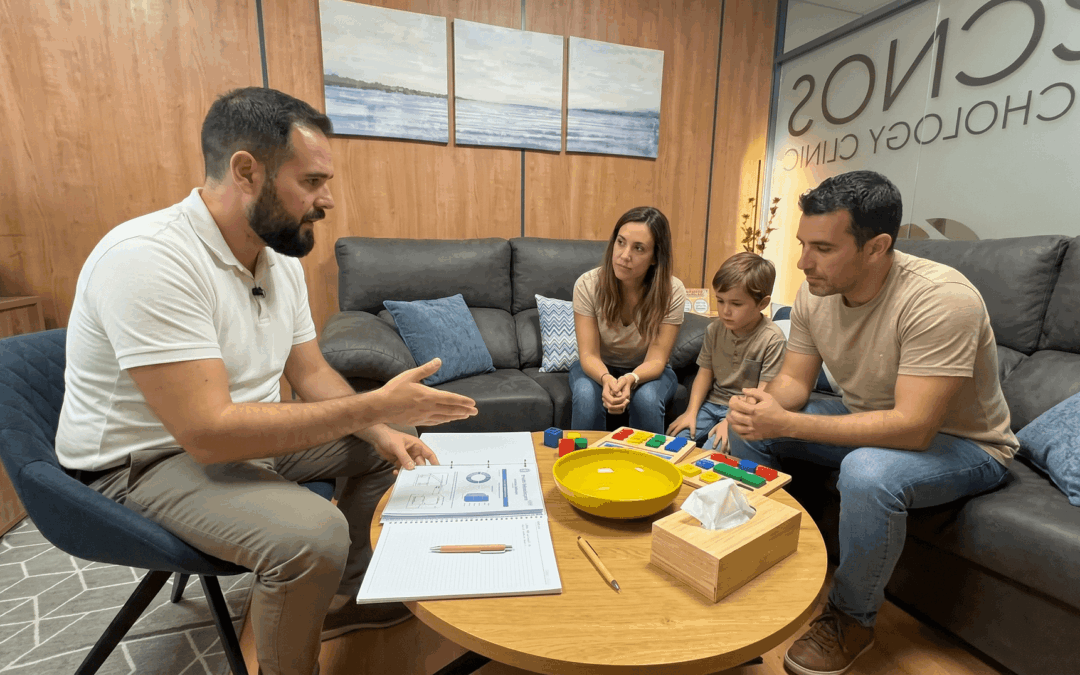
A good assessment is not just about applying a label. It helps clarify what is happening, organise the available information and guide treatment more accurately.
Héctor Lozano Jiménez
General Health Psychologist · Director of Ocnos Psychology Clinic
We will publish articles that help answer common questions about psychological assessment and about the process of evaluating symptoms, cognitive difficulties, emotional functioning and specific areas of everyday life. We will explore what a psychological assessment is, when it may be recommended, how it differs from a single isolated test, and what kind of clinical conclusions it can provide when it is carried out in a serious and contextualised way.
We will also continue developing content around specific situations in which assessment may be especially useful, such as suspected ADHD, dyslexia, learning difficulties, questions about depressive symptoms, obsessive thoughts, attention problems, or psychological distress that needs a clearer formulation before treatment can be planned effectively.
Important: self-observation or a brief self-check can be a useful first step, but it does not replace a full clinical evaluation. When persistent doubts exist about symptoms, learning, attention or emotional functioning, a professional assessment can offer real clarity and help avoid misleading conclusions.
ADHD assessment helps clarify how attention, impulsivity and organisation affect daily life, and what kind of support may be most helpful.
A well-planned neuropsychological assessment can help distinguish specific learning difficulties and guide intervention more effectively afterwards.
Self-checks can provide an initial indication, but their results always need careful interpretation and, when needed, a fuller professional evaluation.
When reading difficulties appear, a good assessment helps clarify which processes are involved and how best to support the child.
Well-oriented intervention usually starts with a prior assessment that allows goals, strategies and support to be tailored to the person’s specific profile.
In difficulties such as OCD, careful assessment helps distinguish symptoms, understand what keeps the problem going, and guide intervention more accurately.
Psychological assessment resources written from clinical practice
This category will continue growing with new articles and resources from Ocnos Psychology Clinic designed to answer common questions about psychological assessment, neuropsychological assessment, ADHD, dyslexia, symptoms and clinical formulation in a rigorous, clear and useful way. If you need professional guidance, you can also take the next step towards an initial appointment.
Ocnos Psychology Clinic offers psychological support in Palmones, Campo de Gibraltar, with professional care in psychological assessment, neuropsychology, ADHD, dyslexia, OCD, anxiety, depression and other areas of mental health.
Depression is a common and treatable mood disorder that affects how you feel, think, behave and relate to others. At Ocnos Psychology Clinic, in the Campo de Gibraltar area, we have created this guide to provide clear, reliable information. Most importantly, we want to remind you that seeking help is a strong and effective step.
Have you ever felt that your mind is a maze with no way out? Or that, no matter how hard you try to explain what’s happening to you, no one quite manages to get to the heart of it?In modern psychology, treatment without prior assessment is like trying to navigate...
When asking yourself “how do I know if I have OCD?”, it is important to understand that obsessive compulsive disorder (OCD) is a common mental condition characterised by the presence of obsessions and compulsions that significantly interfere with daily life....