





Blog category · Psychological assessment

Psychological assessment: resources for better understanding symptoms, functioning and the value of a thorough clinical evaluation

In this blog category at Ocnos Psychology Clinic, we bring together content about psychological assessment written from a clinical, rigorous and accessible perspective. Here you will find articles designed to explain what a psychological assessment is, when it may be useful, what kind of information it can provide, and why a well-conducted evaluation can make a real difference before starting treatment or making important decisions about care.

We will continue publishing resources on psychological and neuropsychological assessment, ADHD, dyslexia, depressive symptoms, attentional difficulties, emotional functioning, guided self-checks, and other situations in which putting symptoms into context is essential for understanding the problem more clearly.

The aim of this category: to offer useful, non-superficial content for individuals, families and professionals who want to better understand when an assessment may be helpful, what it can clarify, and how it supports more precise psychological care.

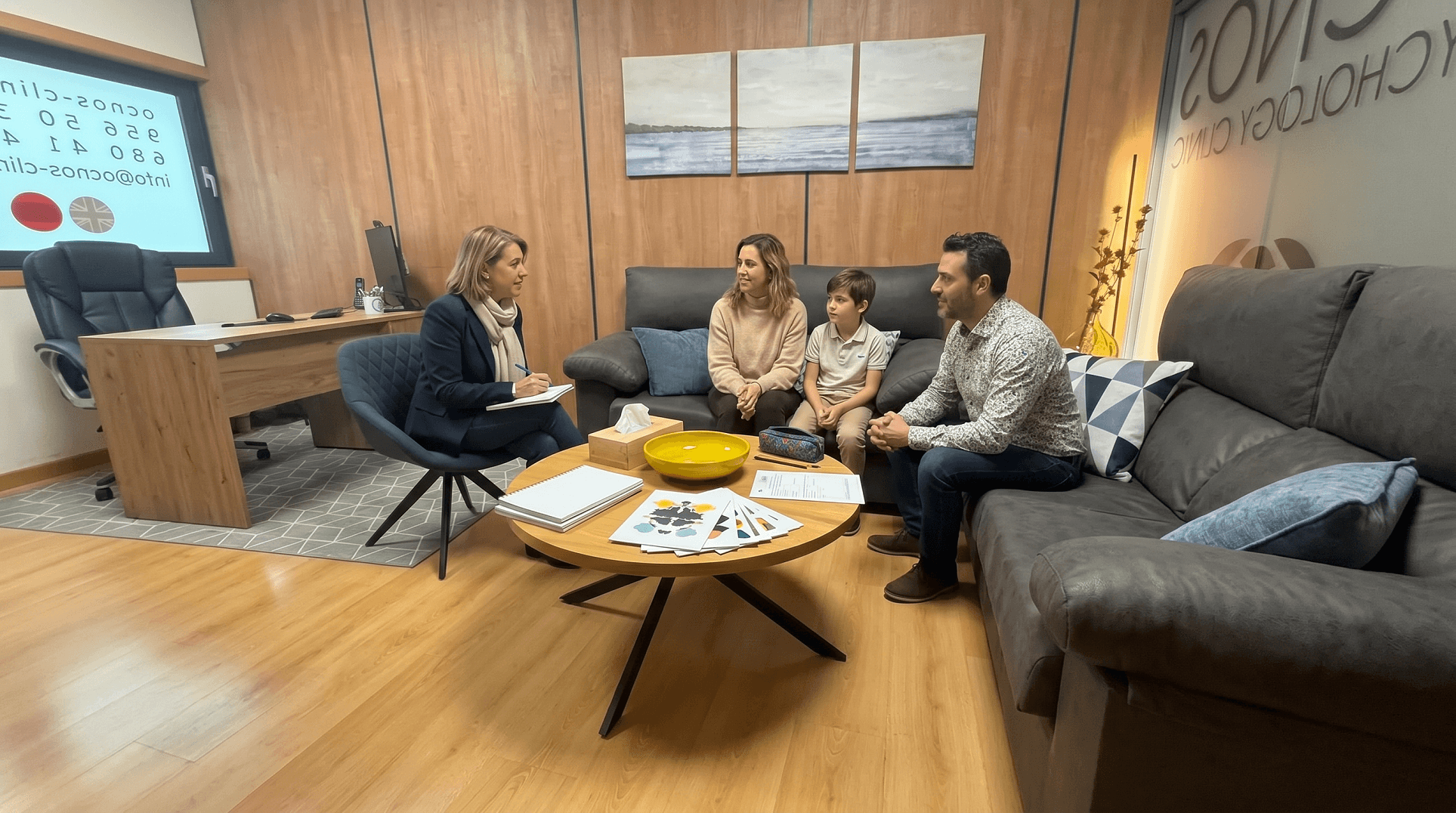
Young man during a psychological assessment process
A good assessment is not just about applying a label. It helps clarify what is happening, organise the available information and guide treatment more accurately.

Héctor Lozano Jiménez

General Health Psychologist · Director of Ocnos Psychology Clinic

COPAO registration number AN 11777

Rocío Rodríguez Boza

General Health Psychologist

COPAO registration number AN 13748

Diego Román Roldán

General Health Psychologist

COPAO registration number AN 12348

What you will find in this category

We will publish articles that help answer common questions about psychological assessment and about the process of evaluating symptoms, cognitive difficulties, emotional functioning and specific areas of everyday life. We will explore what a psychological assessment is, when it may be recommended, how it differs from a single isolated test, and what kind of clinical conclusions it can provide when it is carried out in a serious and contextualised way.

We will also continue developing content around specific situations in which assessment may be especially useful, such as suspected ADHD, dyslexia, learning difficulties, questions about depressive symptoms, obsessive thoughts, attention problems, or psychological distress that needs a clearer formulation before treatment can be planned effectively.

This category will also connect with other Ocnos resources, such as our psychological assessment service, neuropsychology, content on complete psychological assessment, OCD, and related resources when assessment is needed to better understand the origin and maintenance of distress.

Important: self-observation or a brief self-check can be a useful first step, but it does not replace a full clinical evaluation. When persistent doubts exist about symptoms, learning, attention or emotional functioning, a professional assessment can offer real clarity and help avoid misleading conclusions.

Psychological assessment resources written from clinical practice

This category will continue growing with new articles and resources from Ocnos Psychology Clinic designed to answer common questions about psychological assessment, neuropsychological assessment, ADHD, dyslexia, symptoms and clinical formulation in a rigorous, clear and useful way. If you need professional guidance, you can also take the next step towards an initial appointment.

Ocnos Psychology Clinic offers psychological support in Palmones, Campo de Gibraltar, with professional care in psychological assessment, neuropsychology, ADHD, dyslexia, OCD, anxiety, depression and other areas of mental health.

No Results Found

The page you requested could not be found. Try refining your search, or use the navigation above to locate the post.

Ocnos Psychology Clinic
Privacy Overview

This website uses cookies so that we can provide you with the best user experience possible. Cookie information is stored in your browser and performs functions such as recognising you when you return to our website and helping our team to understand which sections of the website you find most interesting and useful.